









Precision Joint Motor Manufacturers Struggle with Delivery and Production Capacity
In the era of AI-driven robotics, precision joint motors have seen a surge in demand. As the requirements for these products continue to rise, increasing production capacity has become critical. Most manufacturers of precision joint motors are based in China, the “world’s factory.” Even so, many suppliers have orders booked six months in advance. These long lead times slow down robotics R&D. This article reveals how HONPINE has managed to stay ahead in this race against time.
What is a Precision Joint Motor?
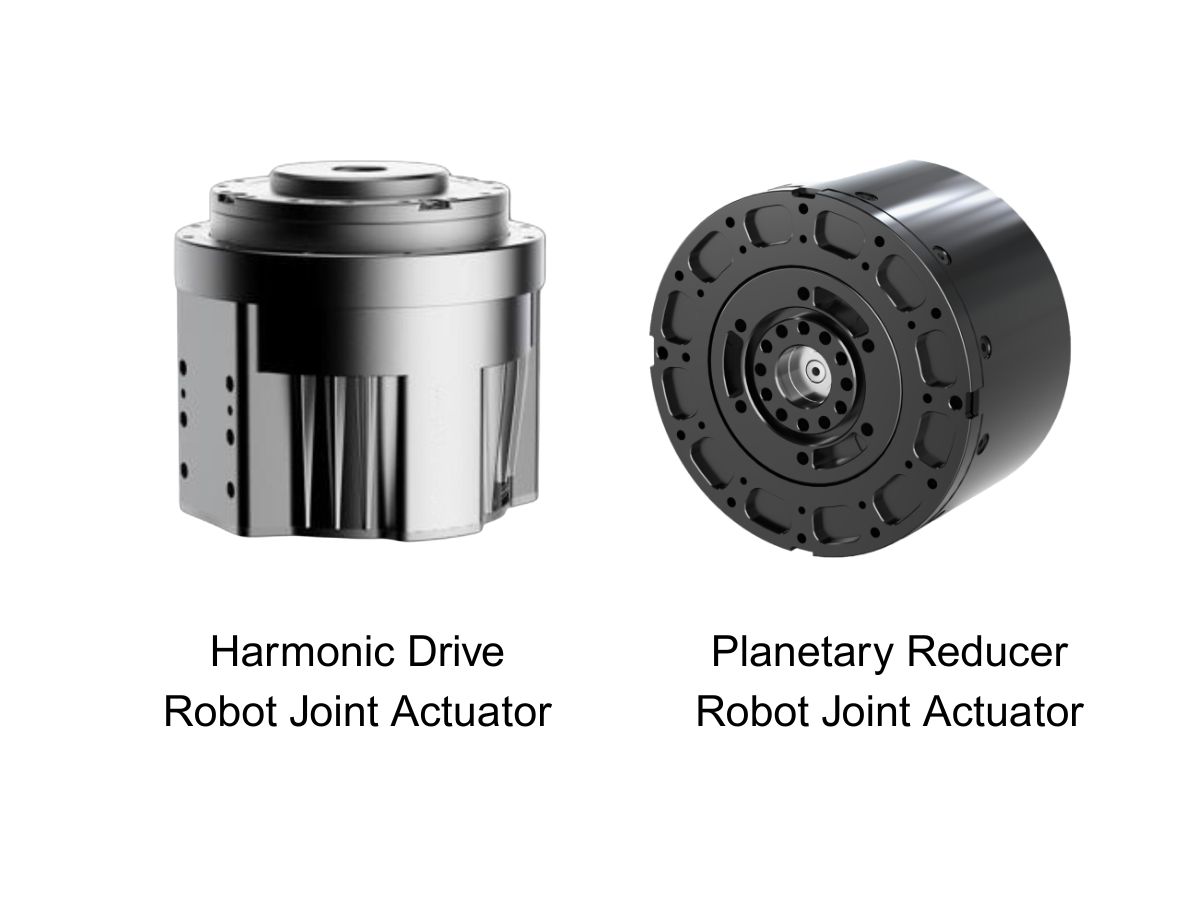
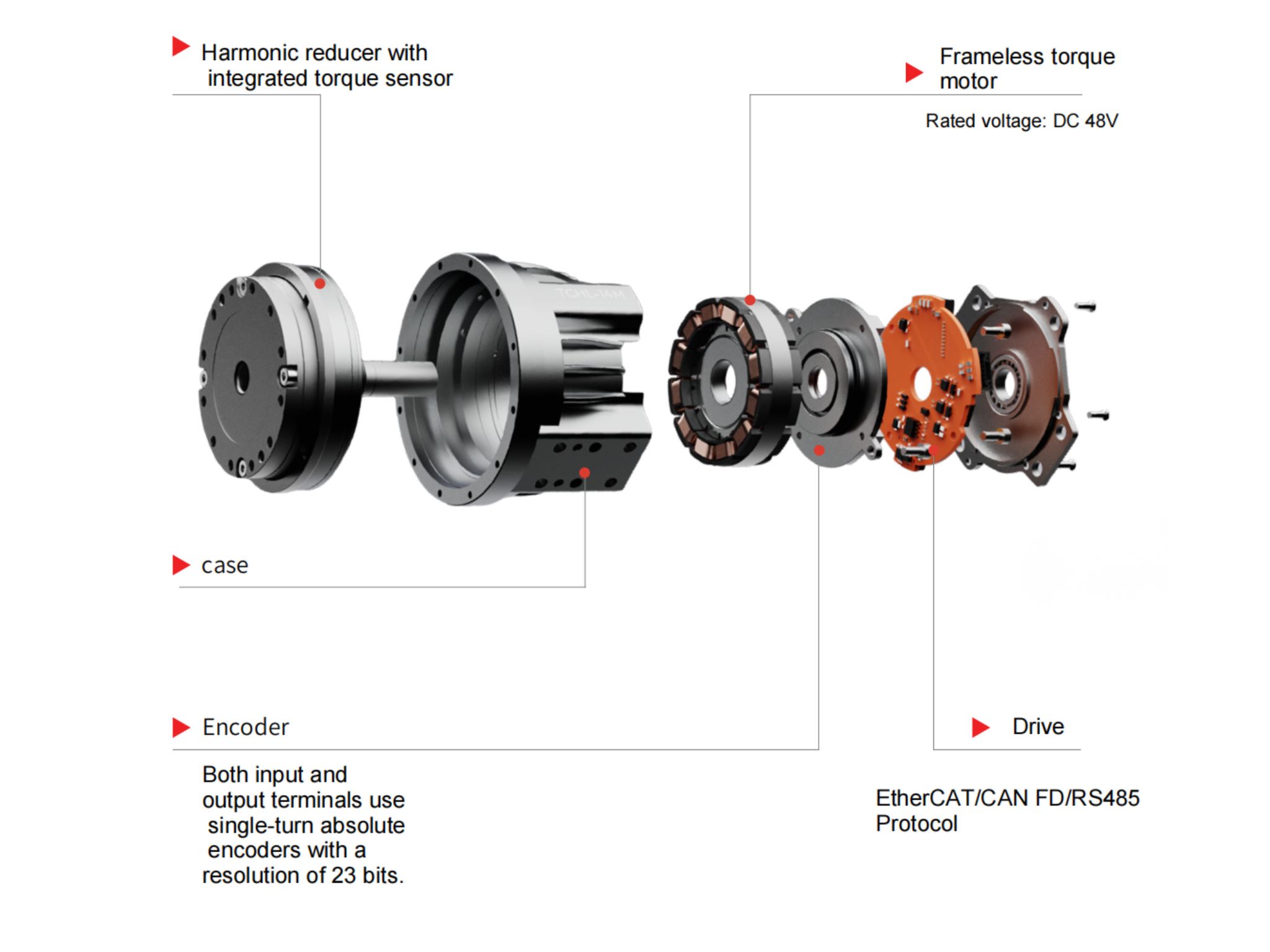
A precision joint motor is a general term for precision joint actuators, which integrate designs such as harmonic reducers or planetary reducers. In recent years, they have gradually replaced the traditional approach of separately purchasing motors, reducers, and drivers. This new integrated design is driving innovations in manufacturing processes and enabling the development of high-end robots, including medical robots.
Why Has the Demand for Precision Joint Motors Surged Recently?
The development of AI is accelerating industrial automation, making robots increasingly dependent on precise execution capabilities. Precision joint motors are more than just integrated components—they are an upgrade over traditional solutions. They address the challenges of high precision, high torque, and lightweight design, while helping manufacturers shorten R&D cycles.
As a result, starting in 2025, the demand for precision joint motors surged, with a new peak in growth expected in 2026.
Why Is It Difficult to Increase Production Capacity for Precision Joint Motors?
1. Slow Production of Core Components
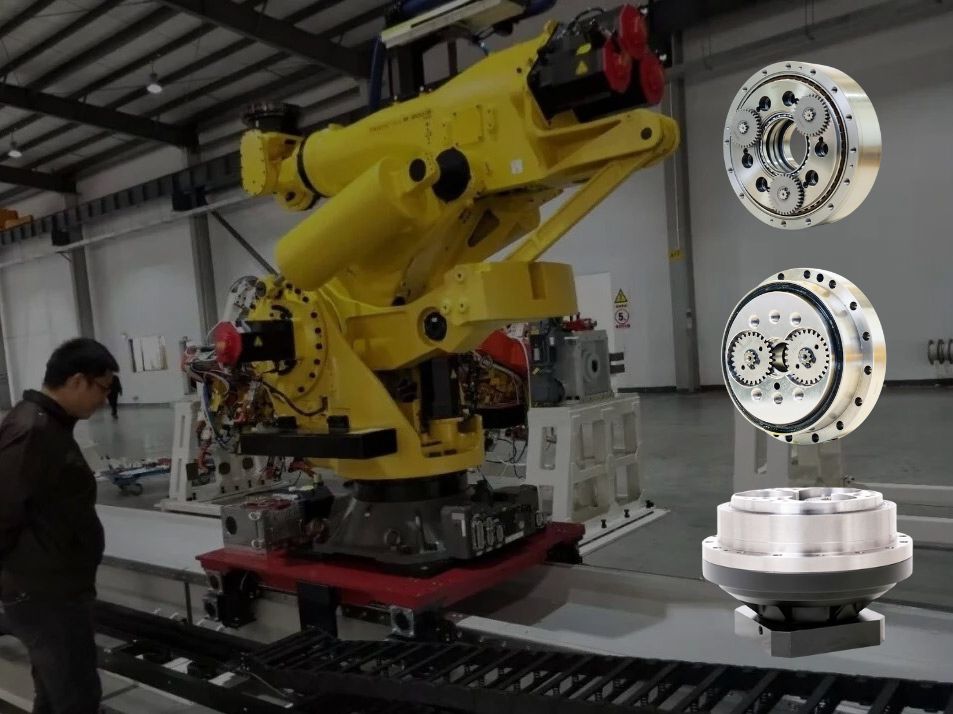
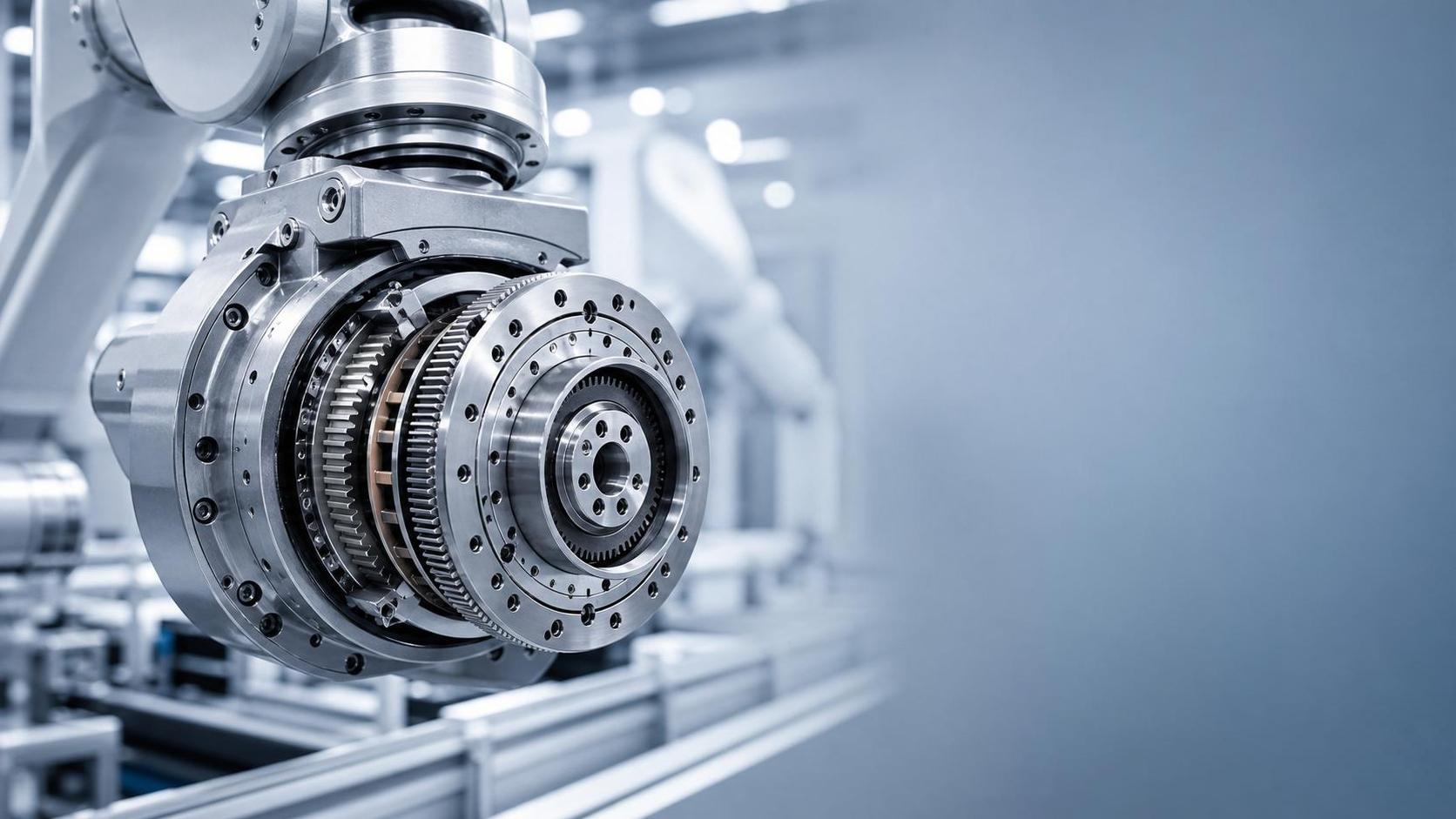
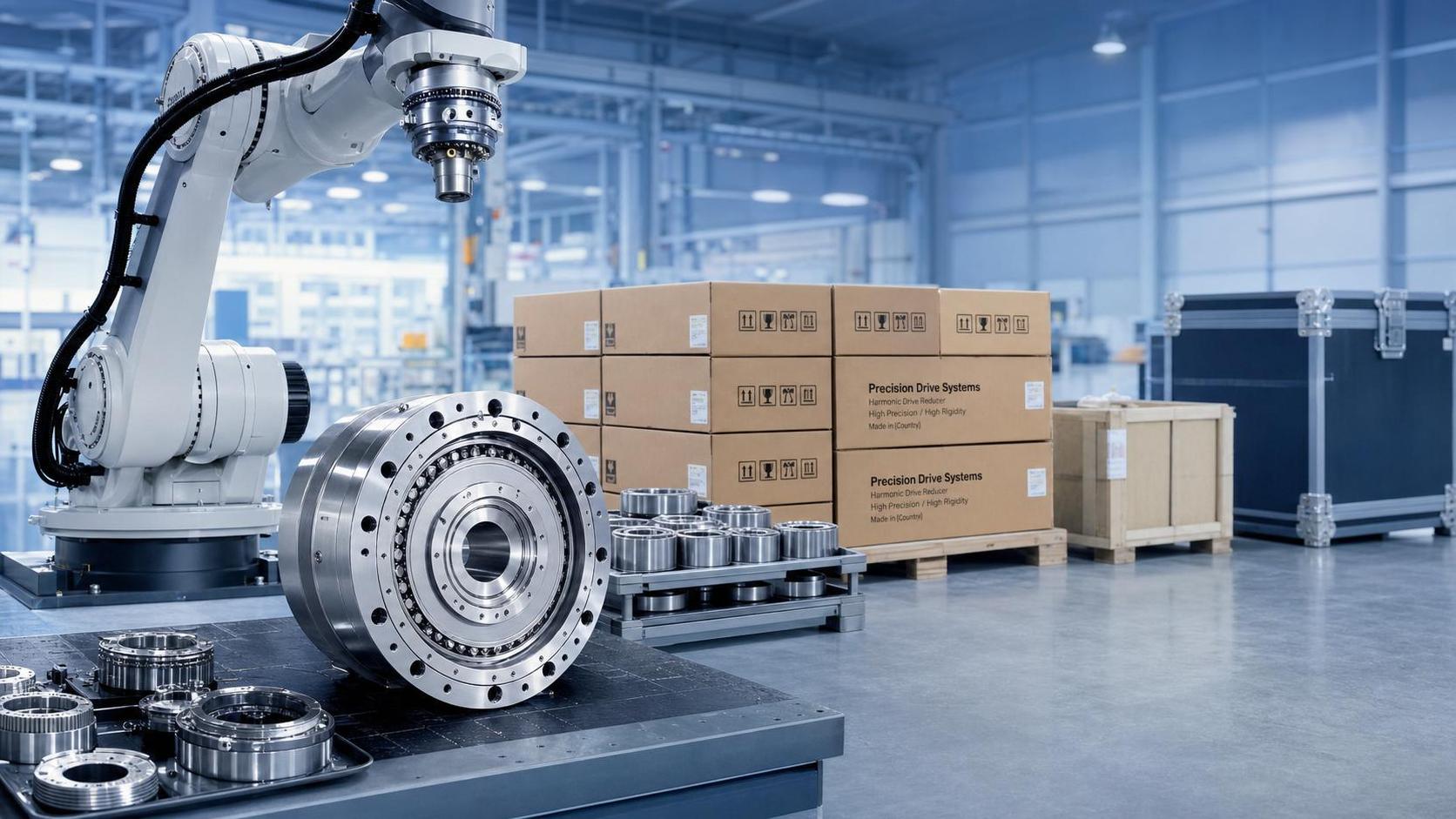
The core components of precision joint motors include harmonic drive reducers and planetary reducers, which are high-precision machined parts. Harmonic joint motors, in particular, require micron-level machining tolerances and extremely demanding production processes.
HONPINE has invested heavily in advanced machinery from Germany, Switzerland, and Japan and independently develops and produces its reducers, eliminating dependence on external suppliers.
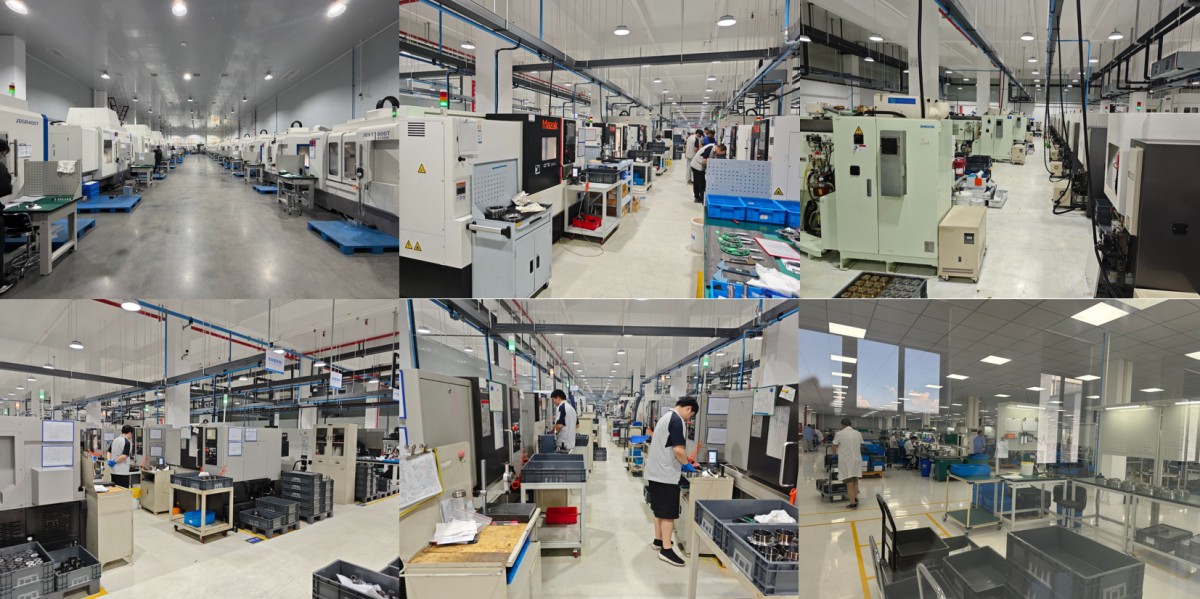
2. High Assembly Complexity
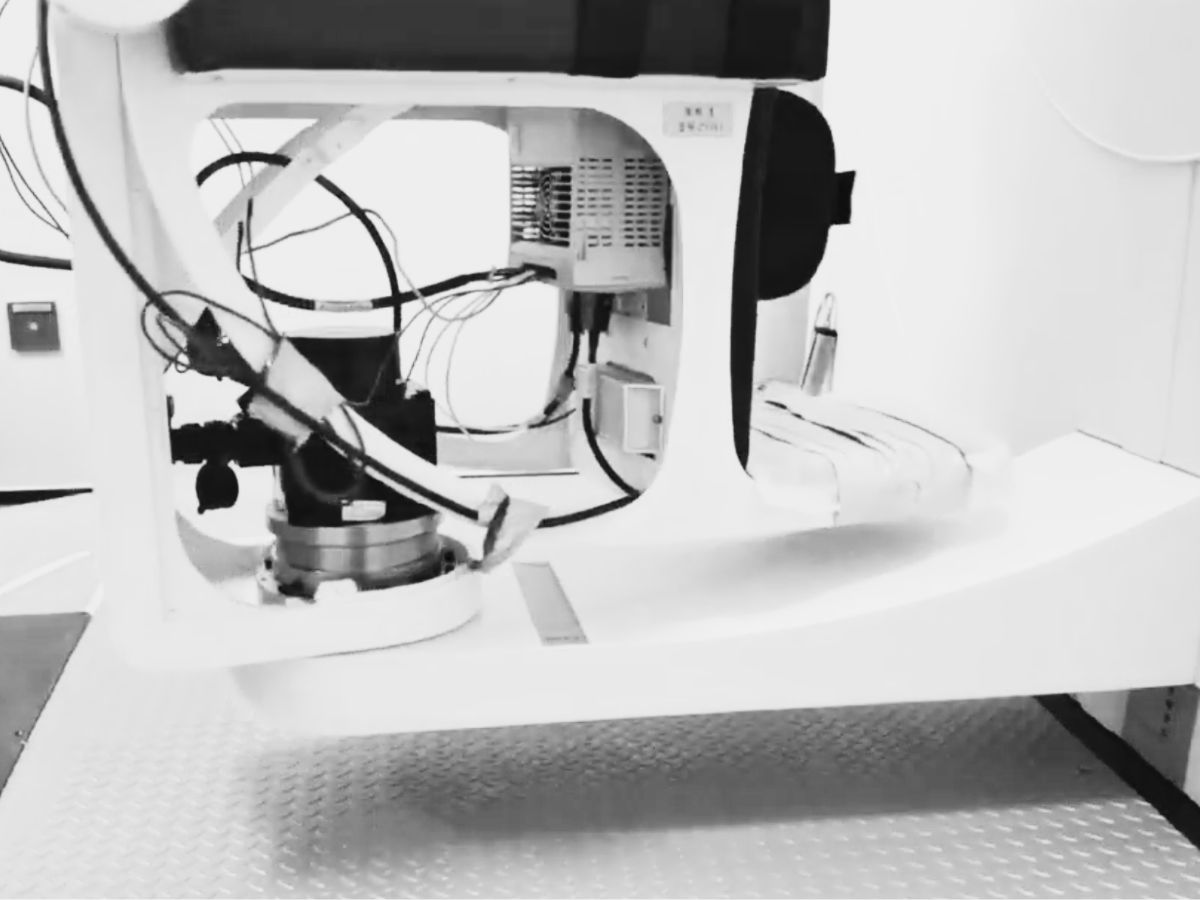
Precision joint motors are not simply assembled; they require careful tuning and testing to ensure accuracy and performance. Even with automated equipment, manual labor remains essential.
HONPINE’s production lines are based in Shanghai, China, which facilitates machining and workforce training. Coupled with a robust supply chain and well-structured factory operations, HONPINE achieves faster delivery speeds than competitors.
3. Expensive Equipment and Capital Investment
Manufacturing precision joint motors requires substantial capital investment. This includes advanced machining equipment, R&D teams with hundreds of engineers (to continuously upgrade products), and extensive production lines.
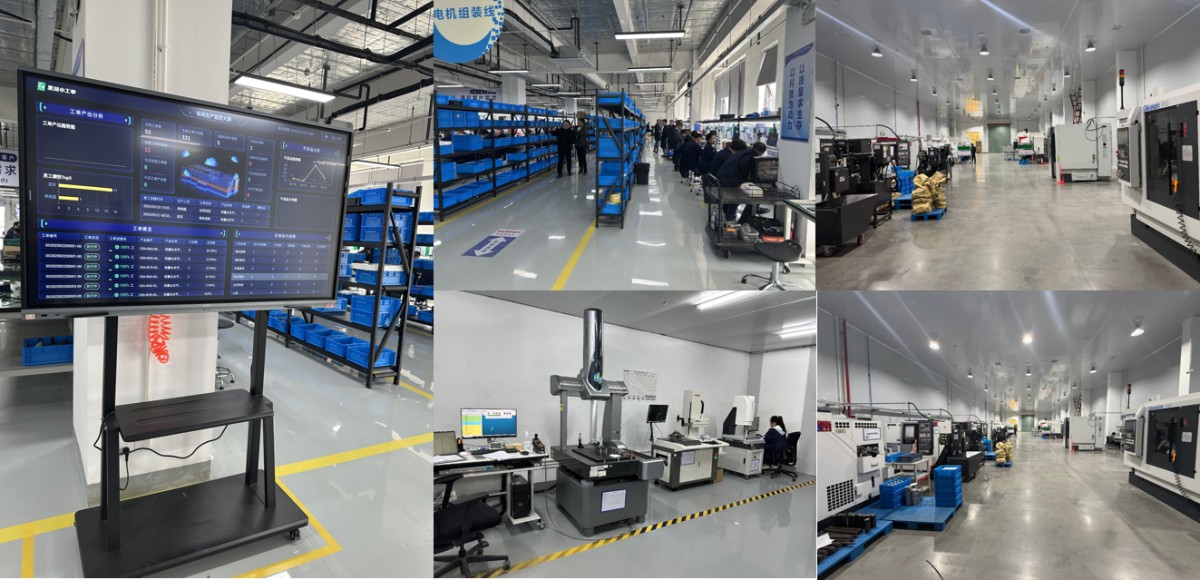
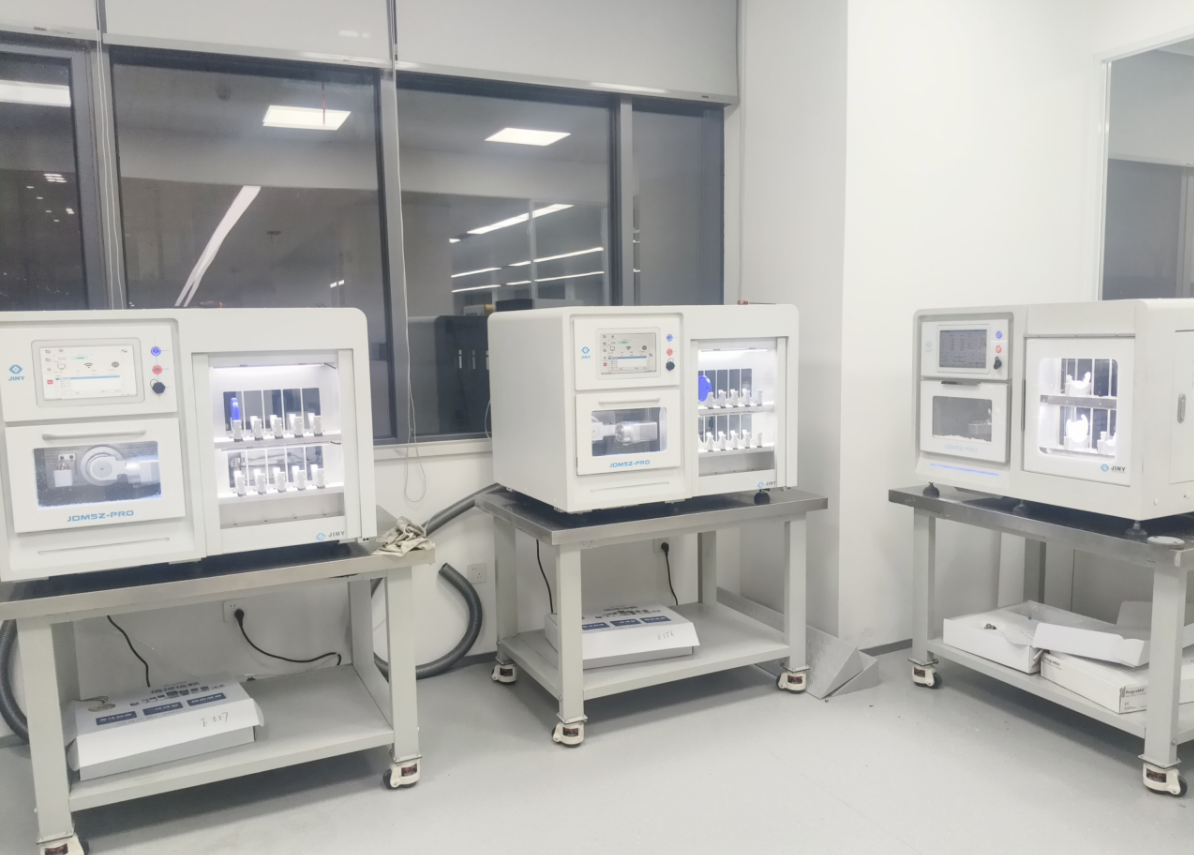
HONPINE currently operates three large-scale factories, each equipped with comprehensive production and testing workflows. This allows the company to accelerate production while maintaining top-quality standards and innovation.
Most HONPINE precision joint motors can be delivered within one month, though some models may experience delays due to ongoing large orders.
Read More
Learn more about the story of HONPINE and industry trends related to precision transmission.
 What is robot joint actuator?How to Choose the Best Robot Rotary Joint Actuator?In core robot joint transmission solutions, planetary and harmonic rotary actuators each have their own strengths. Choosing the right type based on application requirements is essential to achieve the optimal balance between performance and cost.
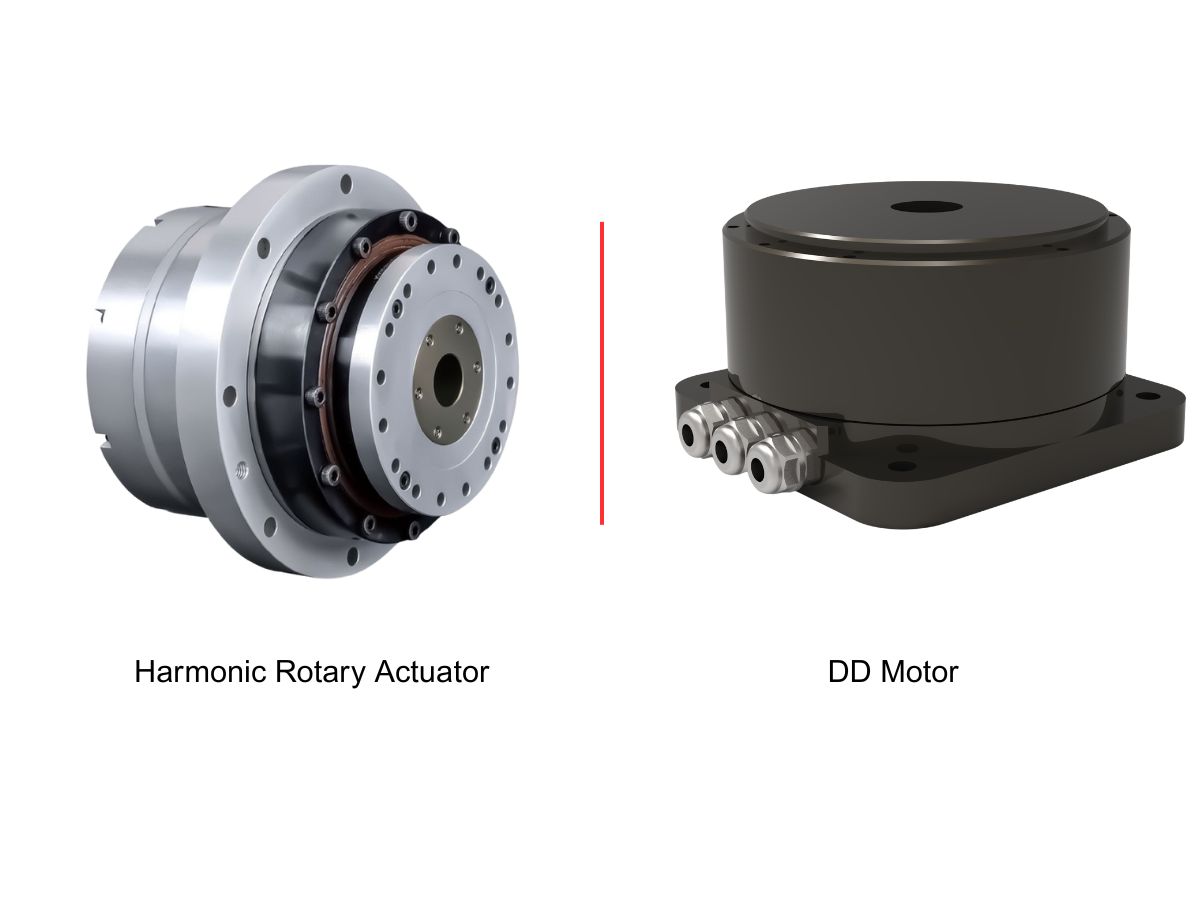
 DD Motors VS Harmonic Rotary ActuatorsThis article provides an in-depth comparison between Direct Drive (DD) motors and harmonic rotary actuators, covering their transmission principles, advantages and disadvantages, and typical application fields.
 OMG Ultra Compact Harmonic Drive Joint Module with Built-in Torque SensorHONPINE TCHL series harmonic drive joint module is a game-changing product that achieves disruptive improvements in multiple aspects such as lightweight design, integration level, and connection convenience. This article will analyze its revolutionary enhancements with you.
 The Role of Harmonic Drive Gears in Achieving 5–10 μm Accuracy in Dental Milling MachinesA dental milling machine is a CNC machining system used to directly process digital dental models into restorations such as crowns, bridges, veneers, inlays, and implant abutments. Dental milling machines require far higher operational accuracy and motion stability than ordinary equipment. This article explains how harmonic drive gear help dental milling machines achieve stable, continuous, and controllable operation.
 Why Are Harmonic Rotary Actuators Perfect for Medical Equipment?Harmonic rotary actuators (typically integrated systems consisting of a harmonic drive reducer, frameless torque motor, encoder, and optional brake) are regarded as key components in medical equipment. The core reason is that they simultaneously meet the most stringent medical requirements for precision, compact size, safety, and controllability. The following explanation is structured from three perspectives: technical characteristics, application scenarios, and medical value.
 High-Precision RV Reducers Perfectly Matched for Walking RobotsThe walking axis of a robot is a core component for power transmission and support. RV reducers provide extremely high rigidity, precision, and torque while maintaining a compact size and exceptional reliability, making them an ideal match for the demanding requirements of walking robot joints in terms of load capacity, impact resistance, and precision.
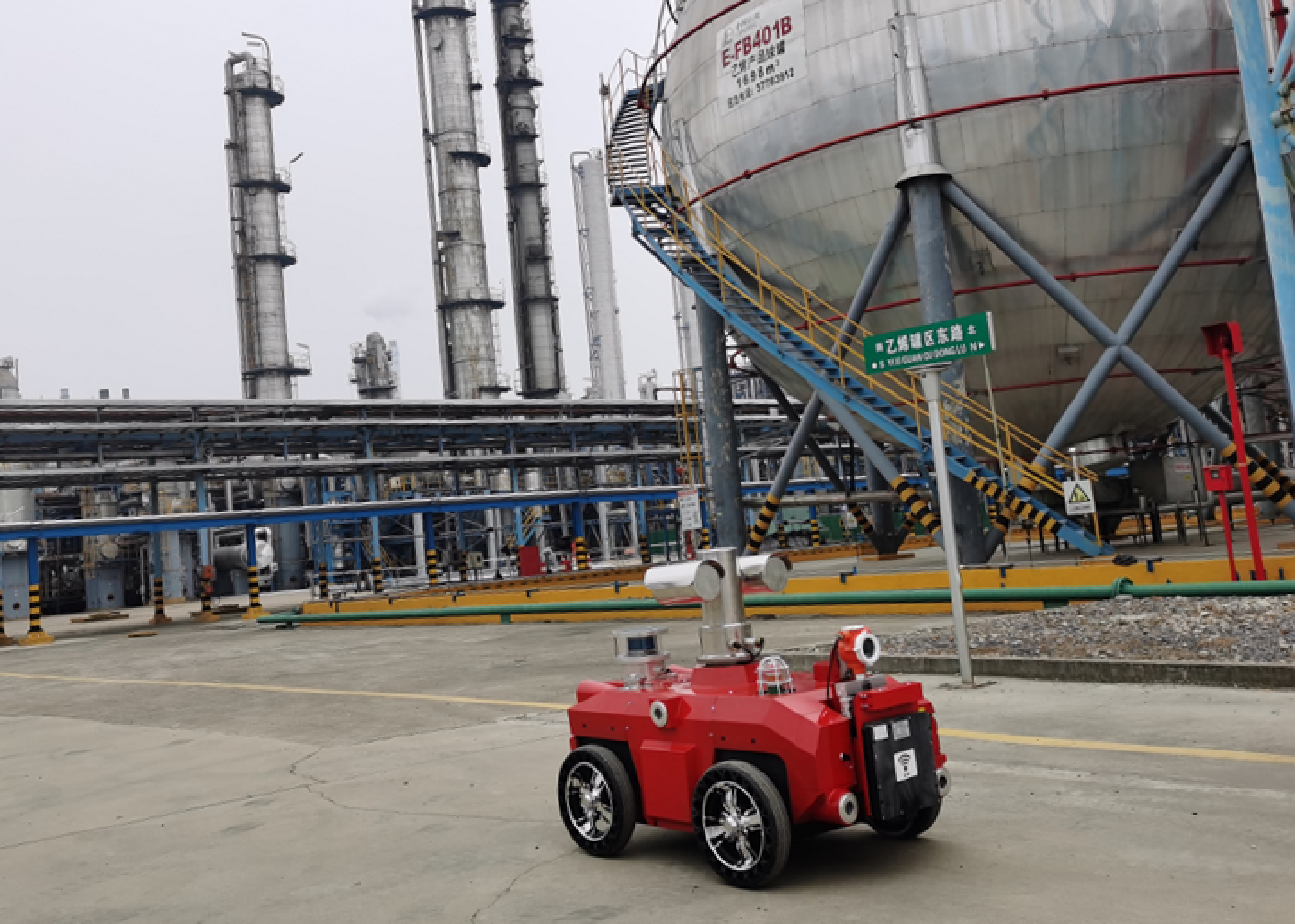
 Inspection Robot Applications: Why Harmonic Gear Motors Are the Preferred Motion Solution?Inspection robots have become essential across modern industries, helping companies automate equipment inspection, improve worker safety, and collect high-quality operational data. From manufacturing plants and power stations to oil & gas facilities, warehouses, railways, and smart cities, autonomous inspection robots are transforming maintenance and asset management.
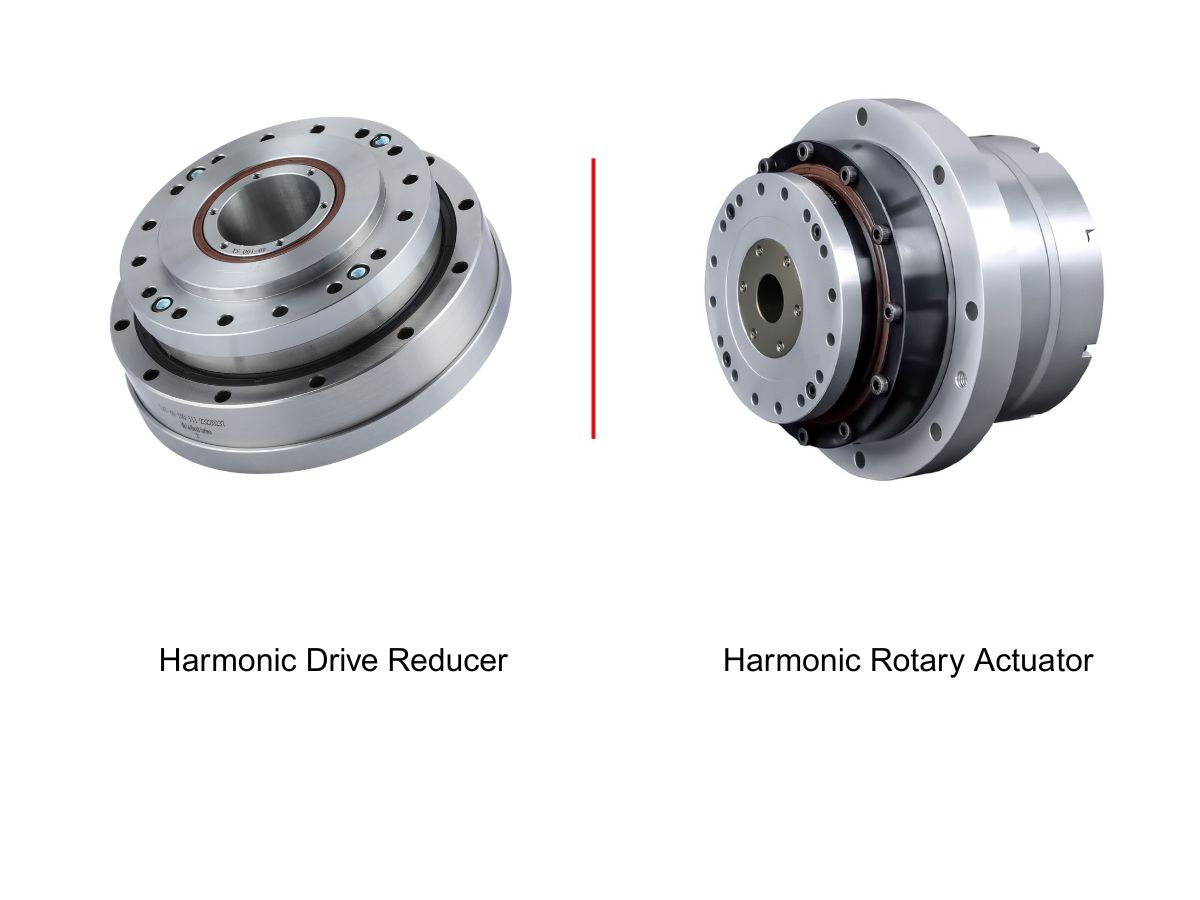
Every movement of an inspection robot—from rotating a thermal camera to positioning a LiDAR scanner or operating an inspection arm—depends on the accuracy of its motion system. HONPINE Harmonic Gear Motors combine near-zero backlash, compact size, high torque density, and exceptional positioning accuracy, making them an ideal solution for next-generation inspection robots. What Is the Difference Between a Harmonic Drive Reducer and a Harmonic Rotary Actuator?A Harmonic Drive Reducer is a precision transmission component that provides high reduction ratios, near-zero backlash, and exceptional torsional stiffness. It is one of the core mechanical elements used in industrial robots, semiconductor equipment, medical devices, and precision automation systems.
A Harmonic Rotary Actuator is a complete rotary motion solution that integrates a frameless torque motor, harmonic drive reducer, encoder, brake, bearings, and servo electronics into a compact module. Rather than being a single transmission component, it is a fully integrated actuator designed for precise motion control and simplified machine integration.
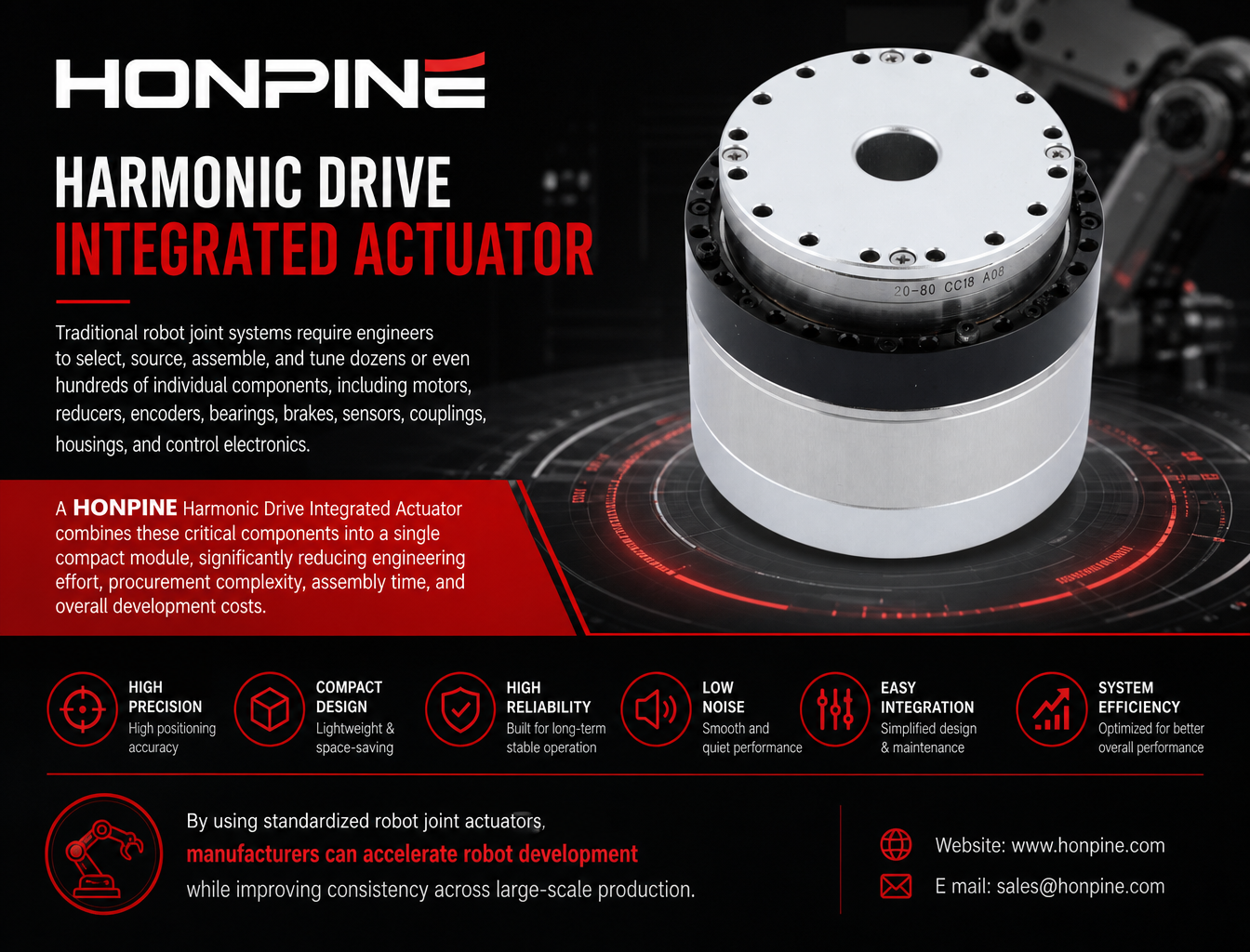
In short, a harmonic drive reducer provides precision transmission, while a harmonic rotary actuator delivers complete rotary motion. Why Choose an Integrated Harmonic Drive Actuator? Benefits, Features and ApplicationsTraditional robot joint systems require engineers to select, source, assemble, and tune dozens or even hundreds of individual components, including motors, reducers, encoders, bearings, brakes, sensors, couplings, housings, and control electronics. A HONPINE Harmonic Drive Integrated Actuator combines these critical components into a single compact module, significantly reducing engineering effort, procurement complexity, assembly time, and overall development costs. The integrated design also provides lightweight construction, high positioning accuracy, compact dimensions, simplified maintenance, improved reliability, low noise, and optimized system efficiency. By using standardized robot joint actuators, manufacturers can accelerate robot development while improving consistency across large-scale production.
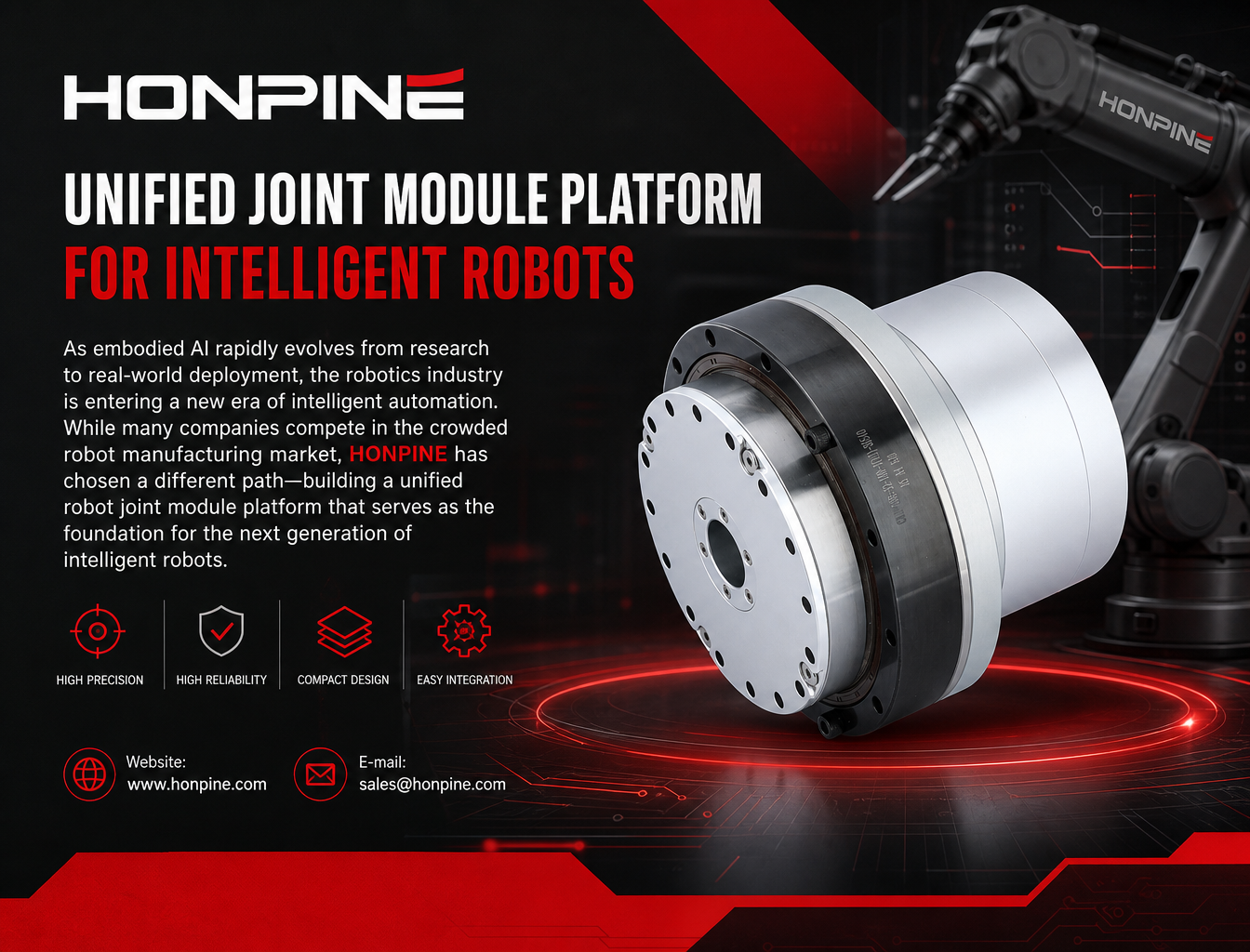
 Why HONPINE Is Building a Unified Robot Joint Module Platform to Accelerate Embodied AI?As embodied AI rapidly evolves from research to real-world deployment, the robotics industry is entering a new era of intelligent automation. While many companies compete in the crowded robot manufacturing market, HONPINE has chosen a different path—building a unified robot joint module platform that serves as the foundation for the next generation of intelligent robots.
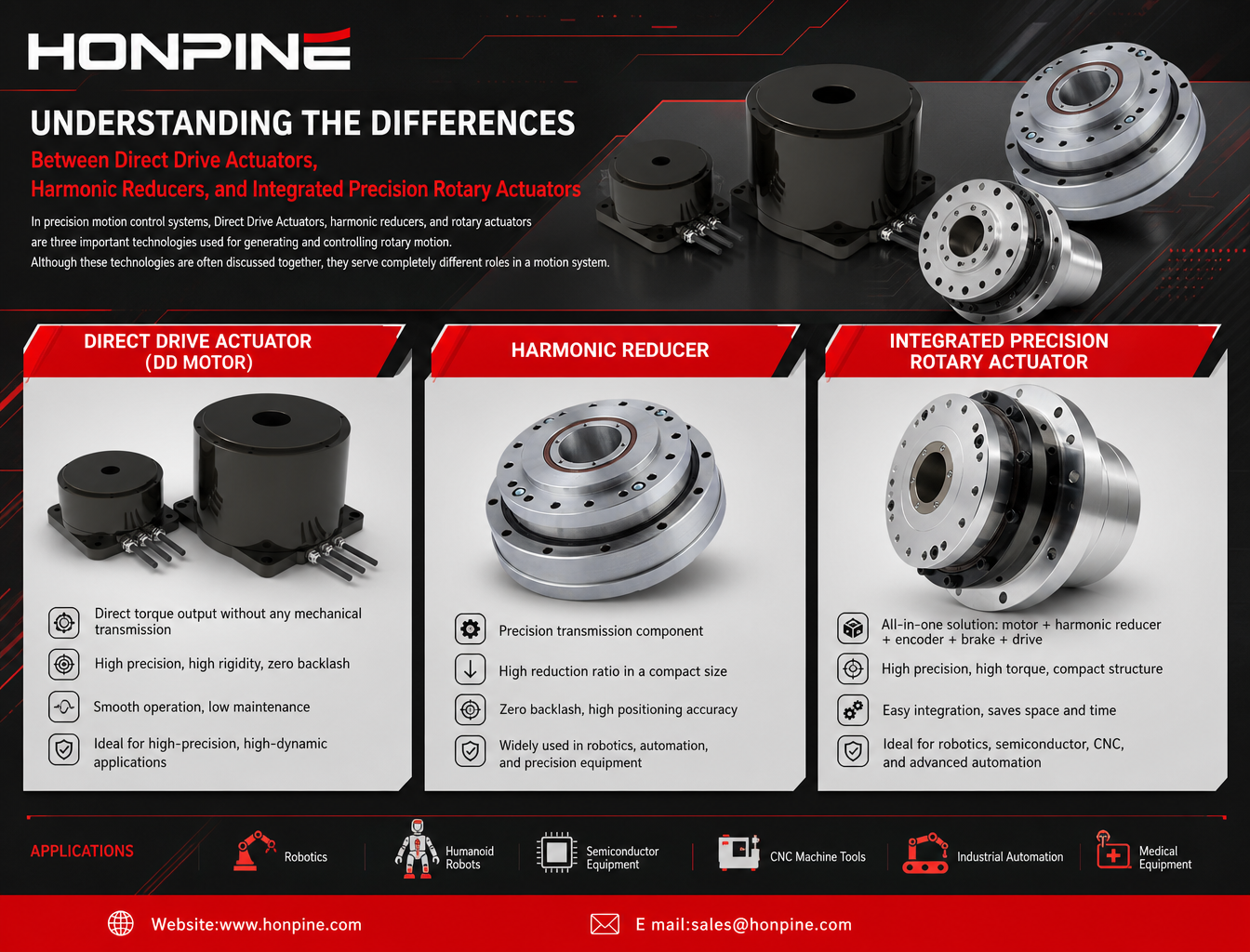
According to HONPINE Founder, the company's long-term vision is clear: to become the "power heart" and hardware foundation of the robotics era. Direct Drive Actuator vs Precision Rotary Actuator vs Harmonic Reducer: Complete Comparison GuideUnderstanding the Differences Between Direct Drive Actuators, Harmonic Reducers, and Integrated Precision Rotary Actuators
In precision motion control systems, Direct Drive Actuators, harmonic reducers, and rotary actuators are three important technologies used for generating and controlling rotary motion.
Although these technologies are often discussed together, they serve completely different roles in a motion system. Top 7 Robot Joint Motor Manufacturers: The Ultimate Guide for Robot EngineersThe production of a robot joint motor integrates multiple advanced technologies, including electric motor design, precision reduction systems, encoder technology, servo control, torque sensing, mechanical structure design, communication protocol development, and reliability testing. As a result, the technical barrier for developing a high-performance robot joint actuator is significantly higher than that of a conventional servo motor or standalone gearbox.
This article introduces several companies that have entered the market with commercially available robot joint motors and integrated joint actuator solutions.
Double Click
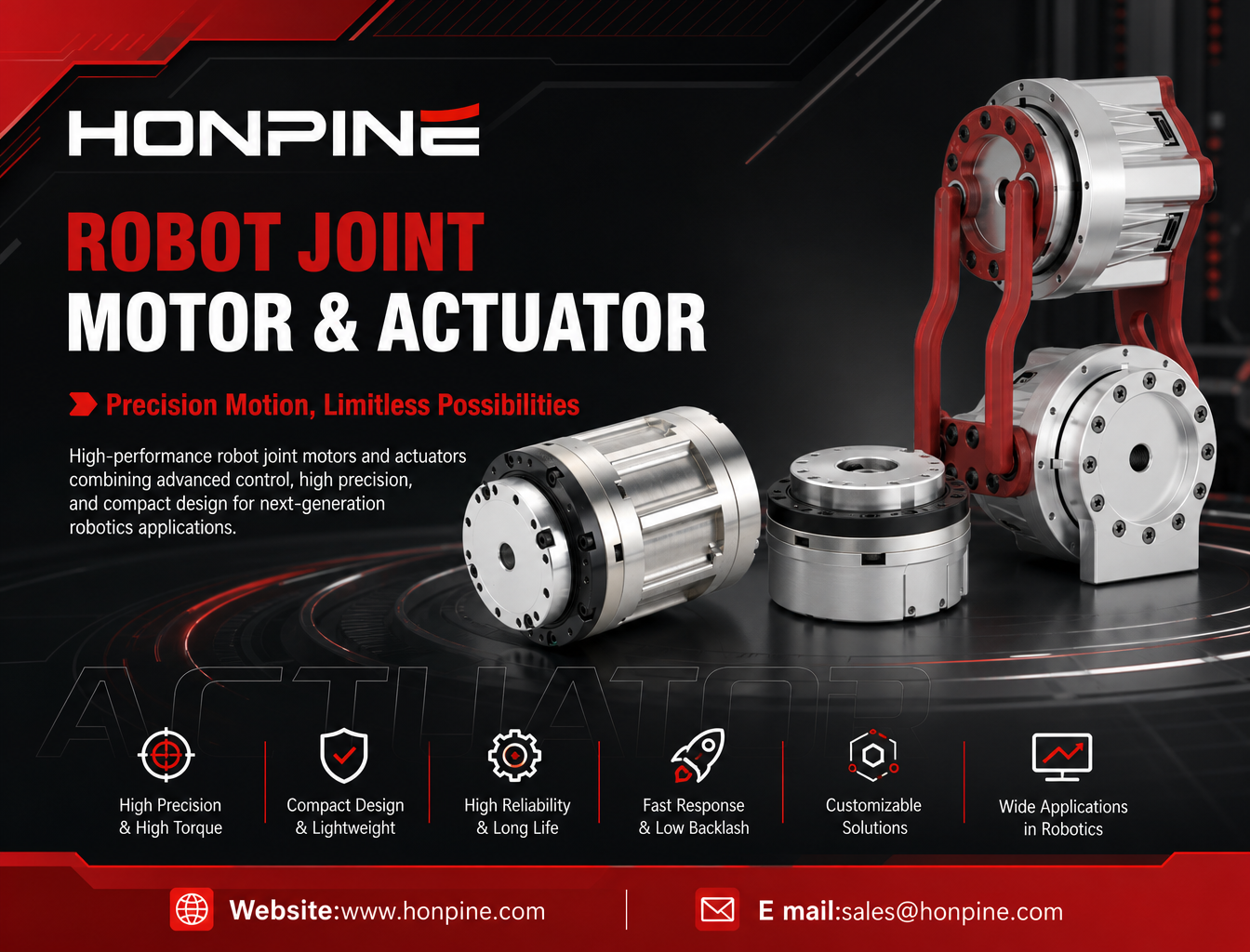
We provide harmonic drive reducer,planetary reducer,robot joint motor,robot rotary actuators,RV gear reducer,robot end effector,dexterous robot hand
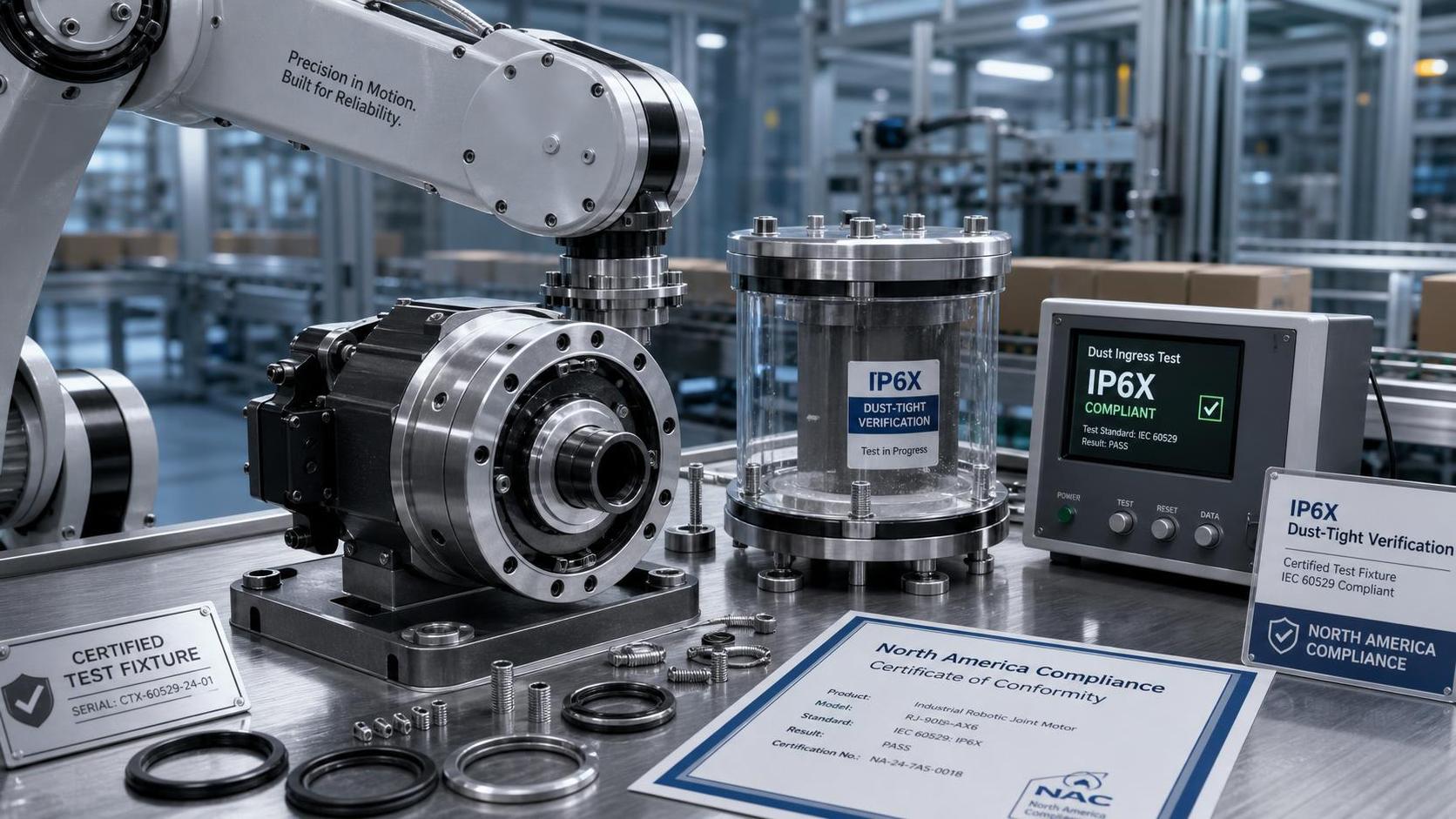
 UL 1604:2026 Tightens Dust Rules for Robot Joint MotorsUL 1604:2026 Tightens Dust Rules for Robot Joint Motors with new dust-environment, temperature-group, and IP6X checks. Learn how this impacts OEM exports, sourcing, and certification planning.
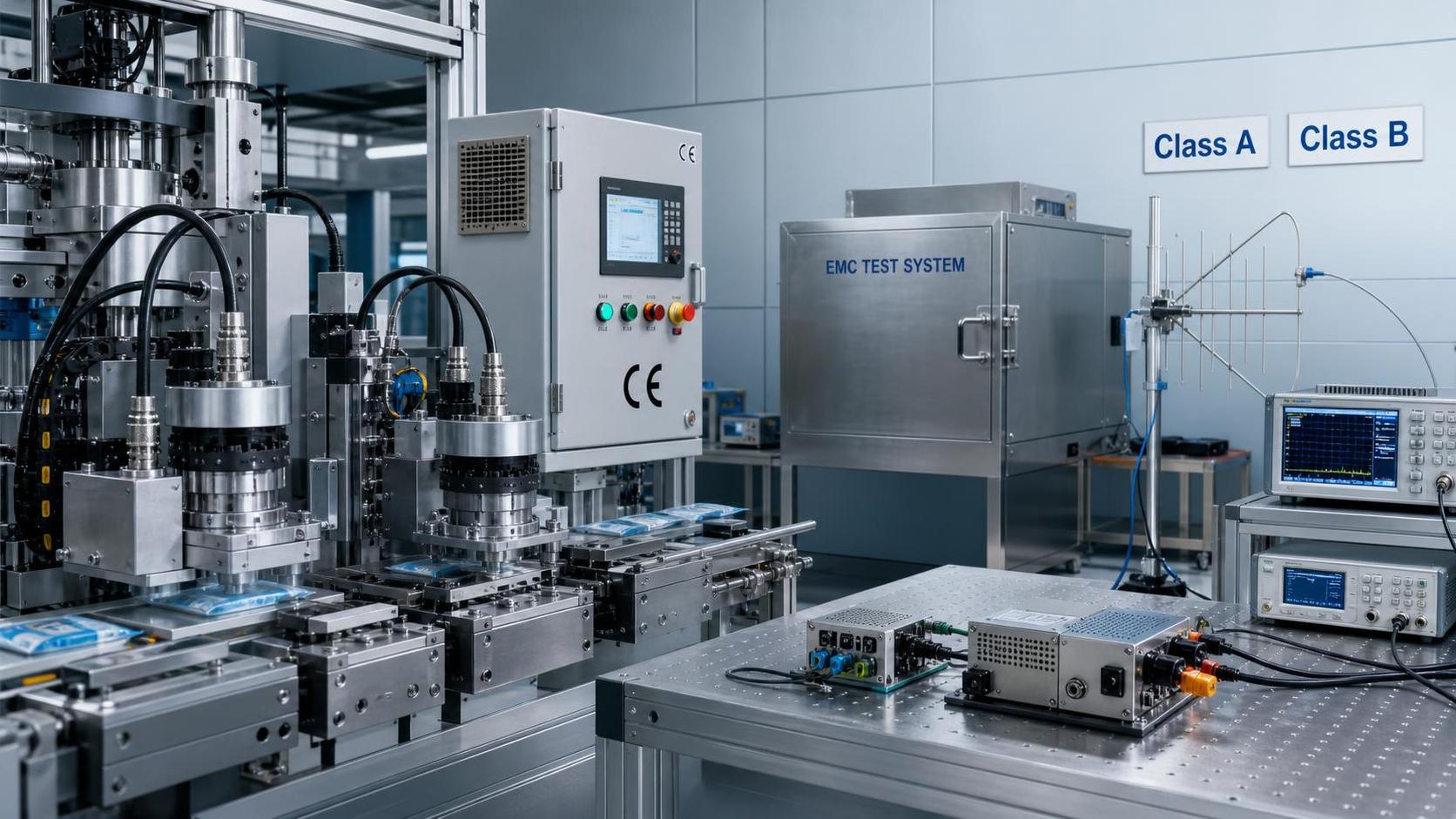
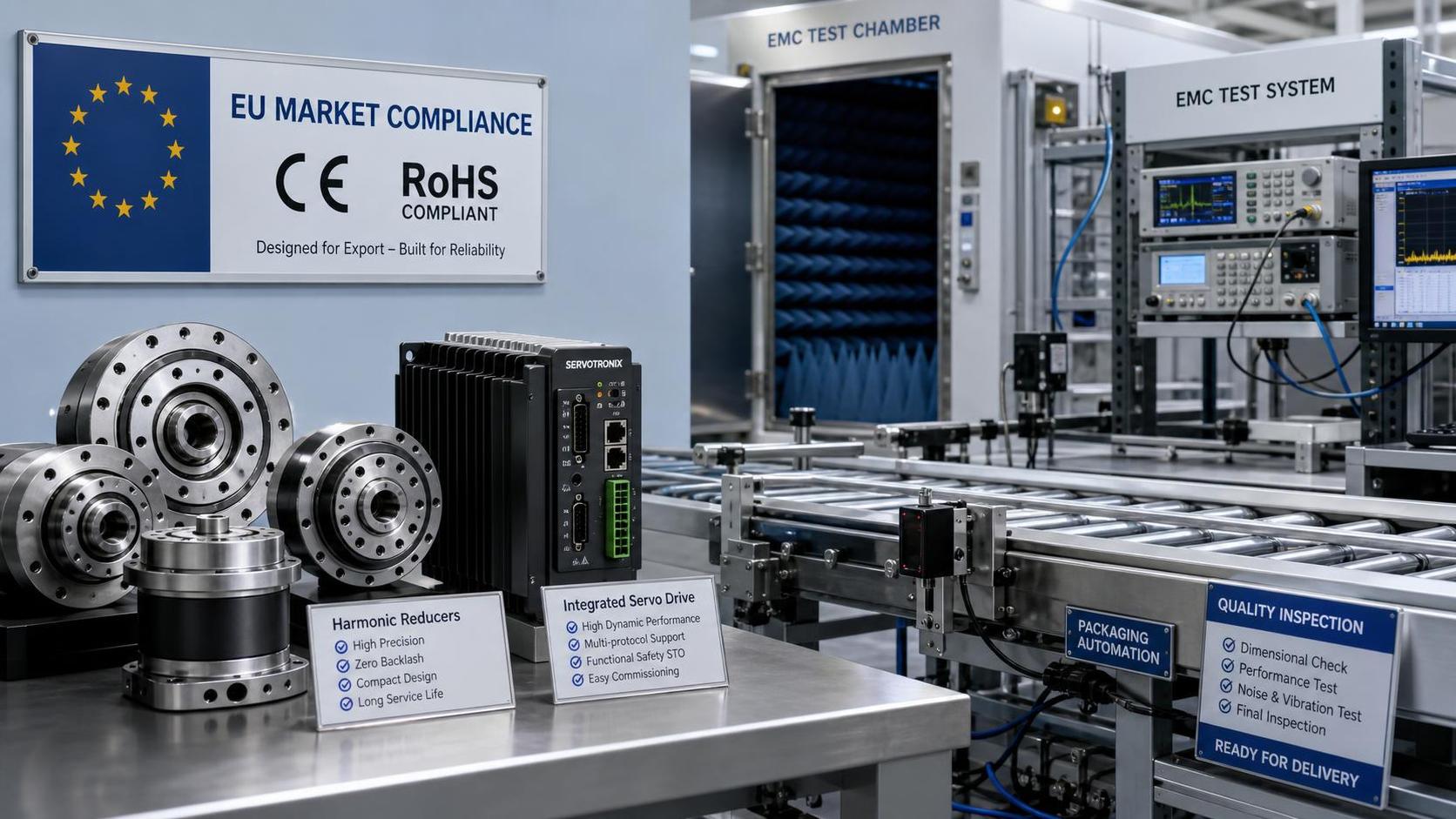
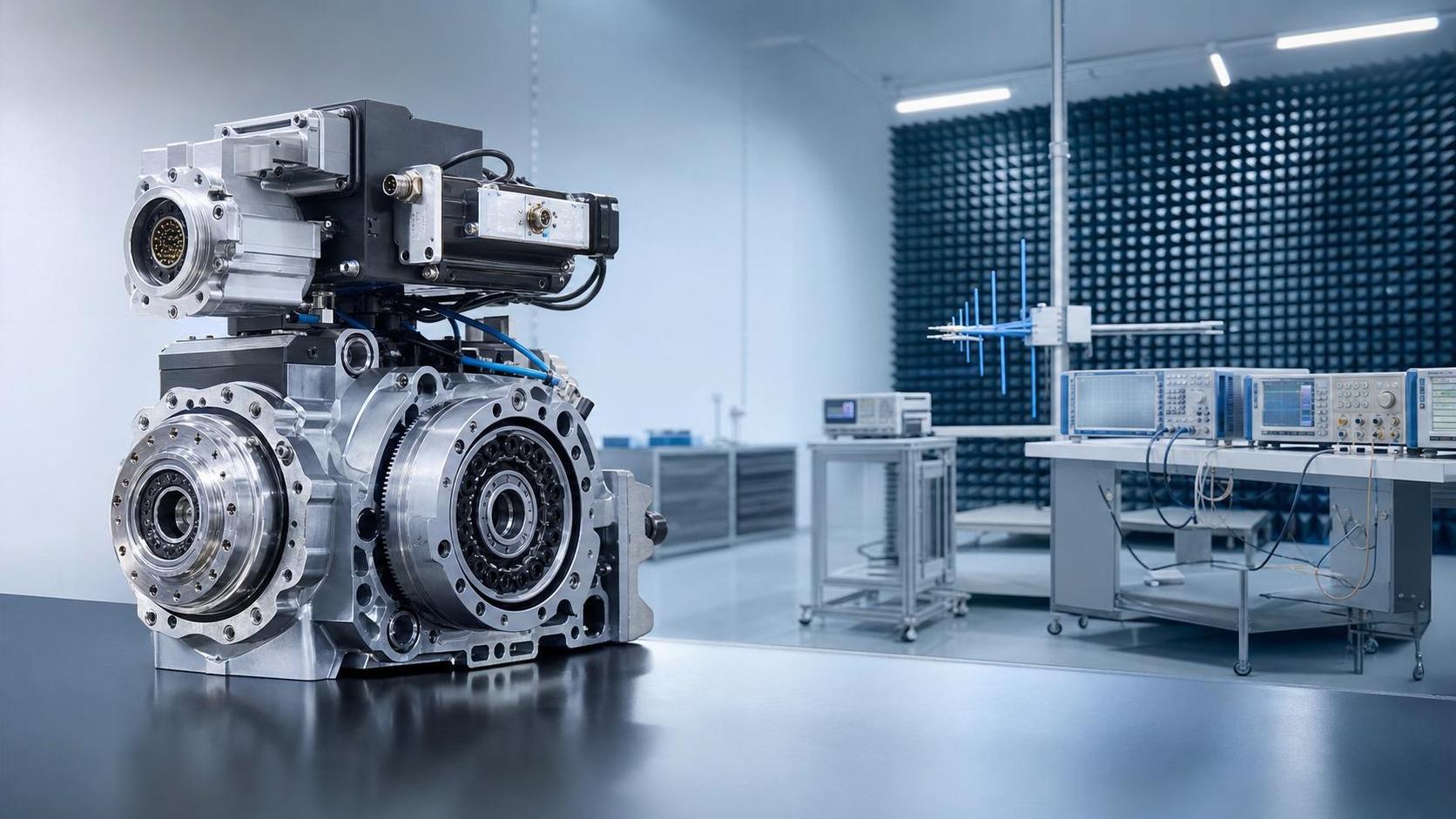
 EU EN IEC 61800-3:2025 Takes Effect for Harmonic DrivesEN IEC 61800-3:2025 reshapes EU EMC compliance for harmonic drives. Learn how CE marking, Class A/B testing, certification, and delivery timelines may impact exporters and buyers.
 EU Mandates EMC Testing for Harmonic Drive ReducersHarmonic drive reducers face new EU EMC testing rules from Aug 1, 2026. Learn how the mandate impacts packaging machinery exports, compliance, customs clearance and market access.
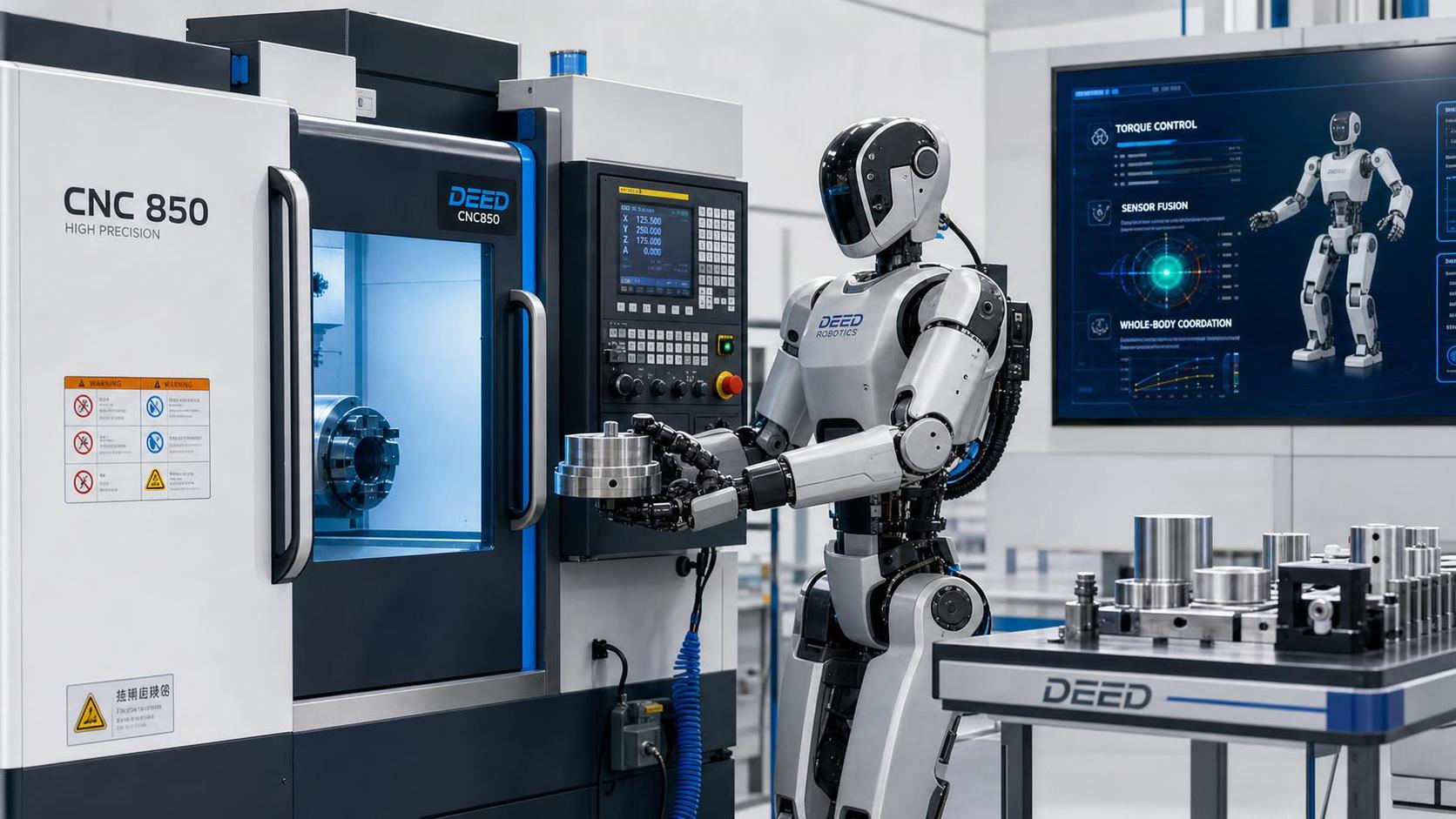
 Top Motion Control Technologies for Humanoid Robots in 2026Top motion control technologies for humanoid robots in 2026: discover how MPC, torque control, sensor fusion, and real-time coordination improve machine tool automation, safety, and uptime.
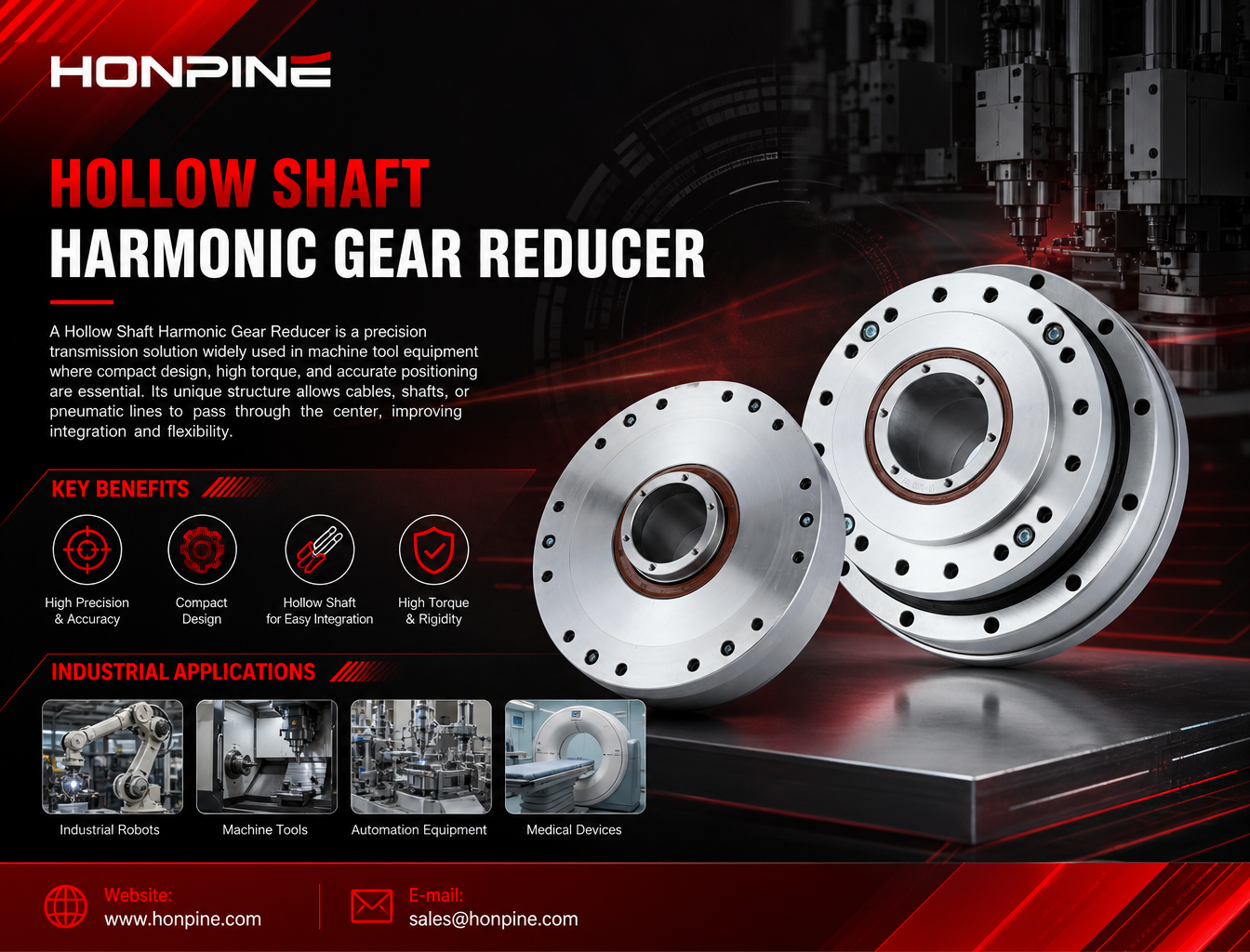
 Hollow Shaft Harmonic Gear Reducer Explained: Structure, Benefits & ApplicationsHollow Shaft Harmonic Gear Reducer explained for machine tool equipment—discover its structure, precision benefits, compact design advantages, and key applications for smarter motion control.
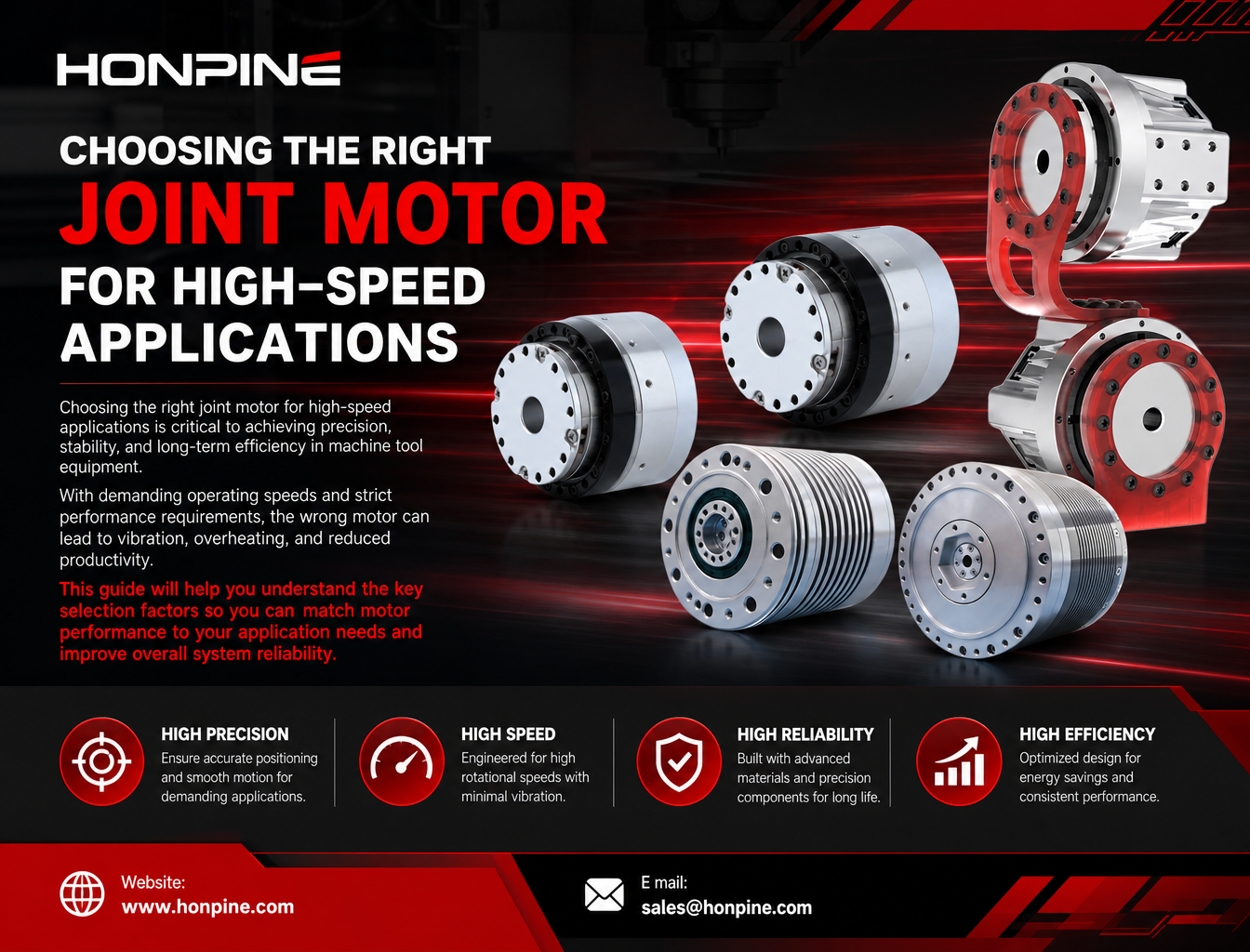
 How to Choose a Joint Motor for High-Speed ApplicationsJoint motor for high-speed applications: learn how to choose the right solution for machine tools with better precision, cooling, torque, and stability to boost performance.
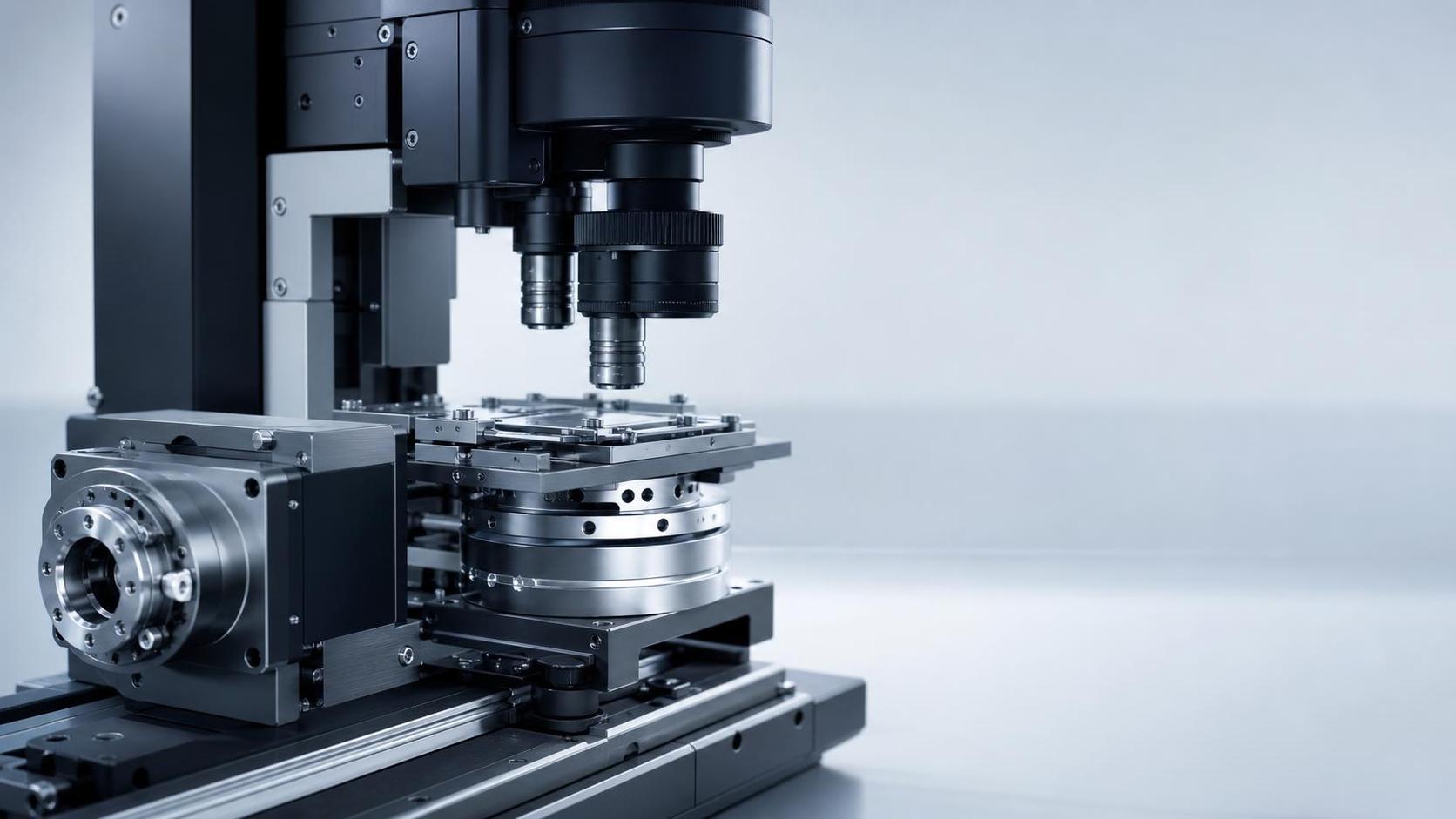
 Why Harmonic Drive Actuators Improve the Performance of Microscope Optical PlatformsHarmonic Drive Actuators improve microscope optical platforms with near-zero backlash, high precision, low vibration, and compact design—ideal for stable imaging and repeatable motion.
 METI Adds HAG Harmonic Drives to Export License ListHAG harmonic drives now face METI export license controls. Learn how the July 8 update affects OEM delivery, procurement timing, and shipments to China, Vietnam, and Mexico.
 EU Draft Revises Machinery Rules for EMC TestingIndustrial robot exporters face a major EU compliance shift: the draft Machinery rules add EMC testing and third-party certification for robot joint modules with harmonic reducers from Jan 2027.
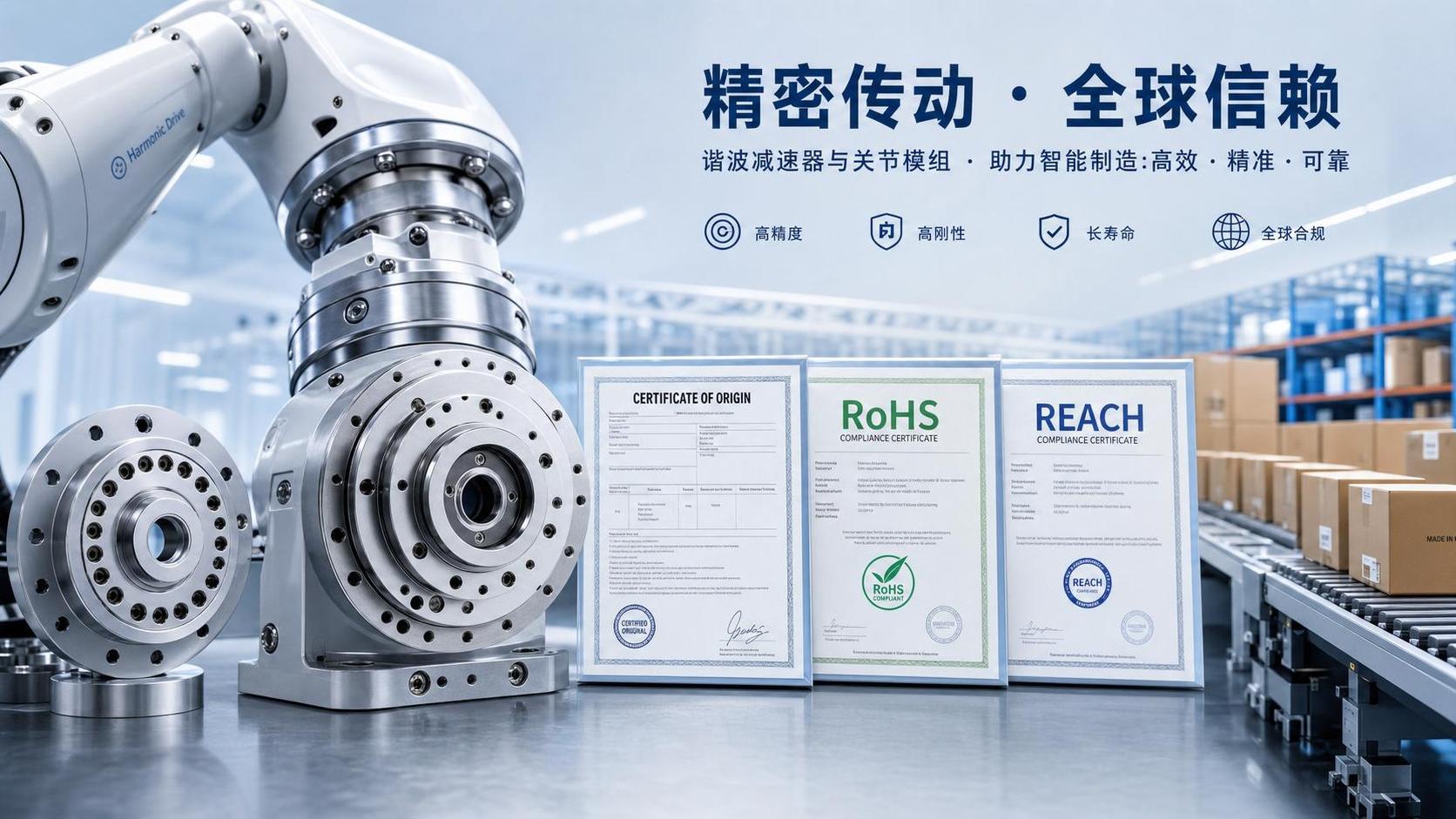
 CBP Sets New Import Filing Rules for Harmonic DrivesCBP sets new import filing rules for harmonic drives under HS Code 8483.40, requiring origin and RoHS/REACH documents from Aug 1, 2026. See impacts on importers, exporters, and supply chains.
![]() EU Machinery Rule Adds CE-PEM Mark for Harmonic DrivesEU Machinery Rule Adds CE-PEM Mark for Harmonic Drives: learn how the new EU compliance change impacts industrial robot supply chains, CE access, PEM assessment, and supplier qualification before 2027.
EU Machinery Rule Adds CE-PEM Mark for Harmonic DrivesEU Machinery Rule Adds CE-PEM Mark for Harmonic Drives: learn how the new EU compliance change impacts industrial robot supply chains, CE access, PEM assessment, and supplier qualification before 2027. US Opens AD/CVD Probe Into Chinese Harmonic ReducersUS opens AD/CVD probe into Chinese harmonic reducers. Learn how this trade case may affect compliance, customs costs, inventory planning, and U.S. supply chain decisions before the initial ruling.

- harmonic reducer
- harmonic drive reducer
- harmonic drive
- planetary reducer
- joint motor
- honpine
- harmonic reducers
- harmonic drive reducers
- precision reducer
- joint motors
- harmonic joint motor
- harmonic
- precision
- planetary
- precision joint motor
- actuator
- honpine precision
- precision reducer motors
- precision reducer motor
- joint actuator
- joint actuators
- dd