

How Can Precision Reducers, Harmonic Rotary Actuators, and Direct-Drive Motors Upgrade Precision Indexing Tables?
As demand for flexible manufacturing continues to grow in 2026, many manufacturers of precision indexing tables are upgrading their equipment to meet evolving production requirements. However, these upgrades often face challenges such as transmission backlash, settling time after positioning, varying load conditions, and component integration.
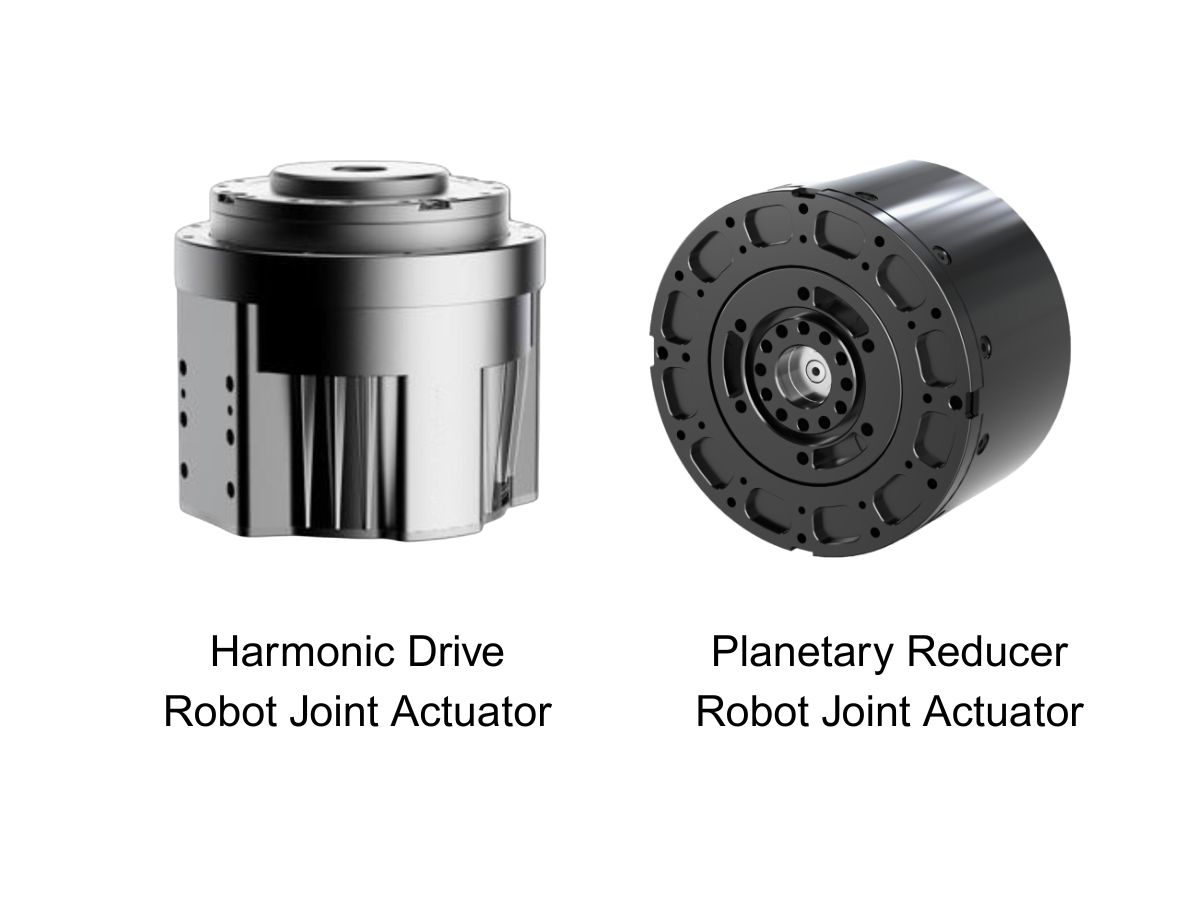
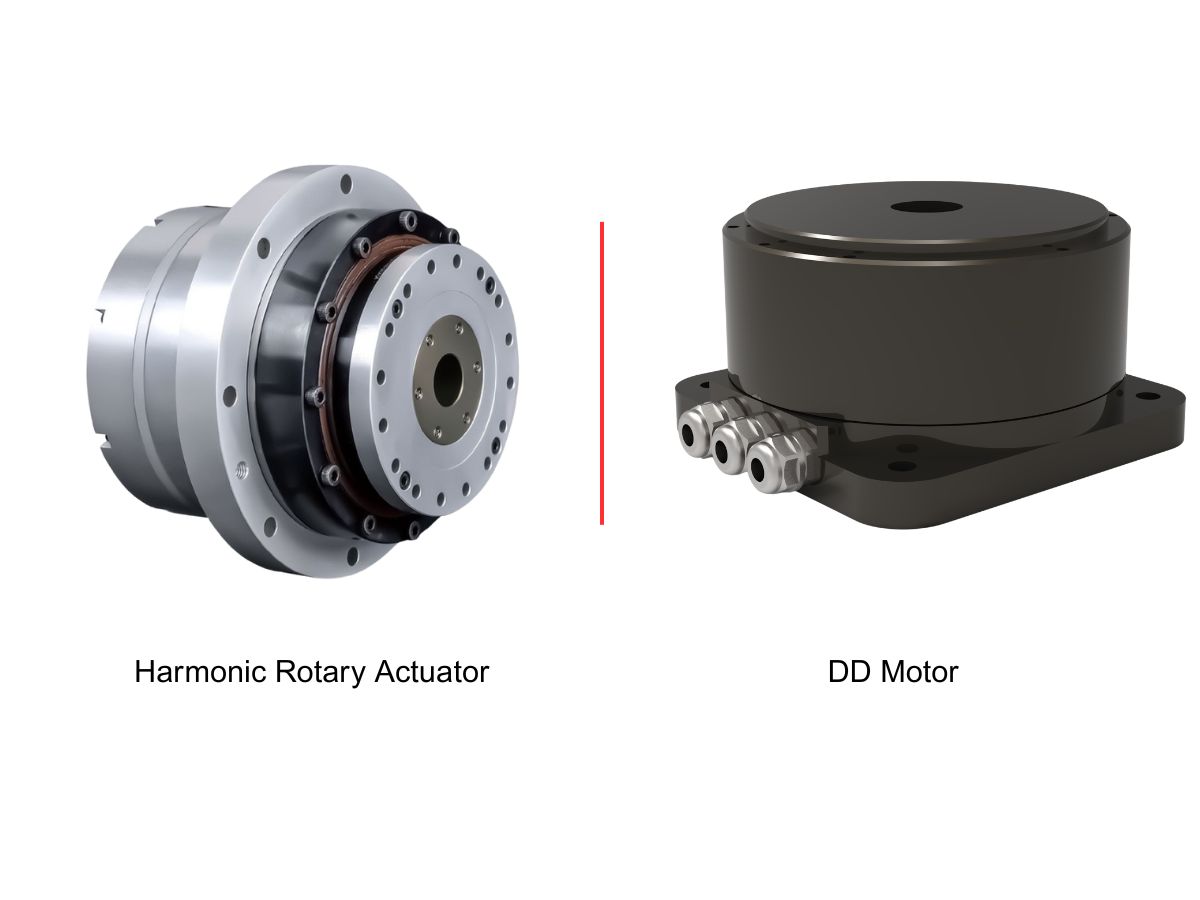
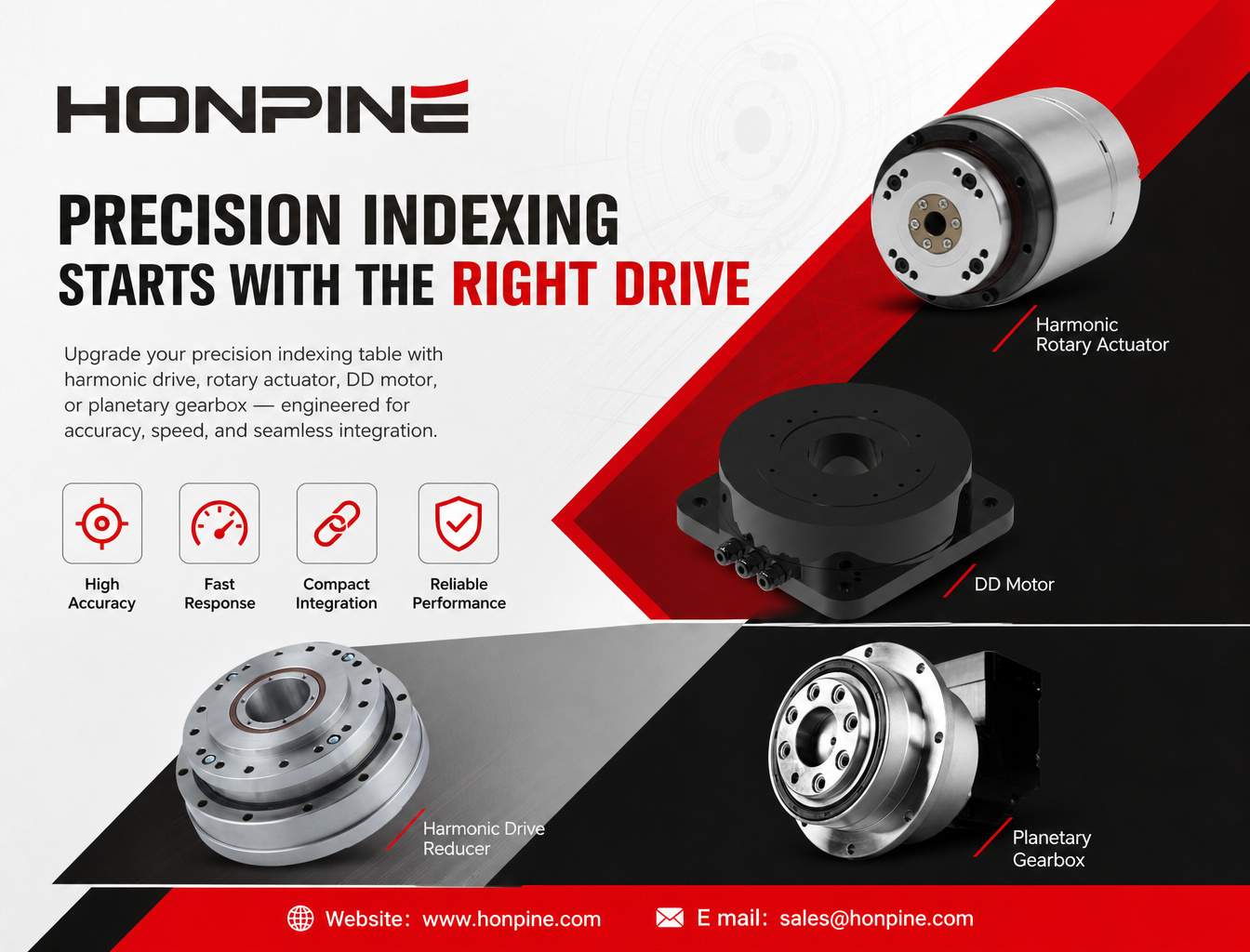
Hello everyone, I’m Theodore Li, Technical Director at HONPINE. Today, I’ll explain how precision transmission components—including harmonic drive reducers, harmonic rotary actuators, direct-drive (DD) torque motors, and planetary gearboxes—can help upgrade precision indexing tables. The key is to select the right solution based on positioning accuracy, indexing cycle time, load inertia, installation space, and budget.
1. Reducing Transmission Backlash in Precision Indexing Tables
Traditional gear reduction systems may experience backlash when switching between forward and reverse rotation, affecting bidirectional positioning consistency. If transmission backlash is a key limitation of existing equipment, replacing the original reducer with a HONPINE harmonic drive reducer may be worth evaluating.
Recommended Upgrade Approach
Retain the existing worktable and fixtures while redesigning the reducer mounting interface.
Select the reduction ratio according to the indexing angle, worktable inertia, and required positioning time.
Recommission the system with the servo motor, encoder, and controller.
Verify the results through bidirectional positioning error and repeatability tests.
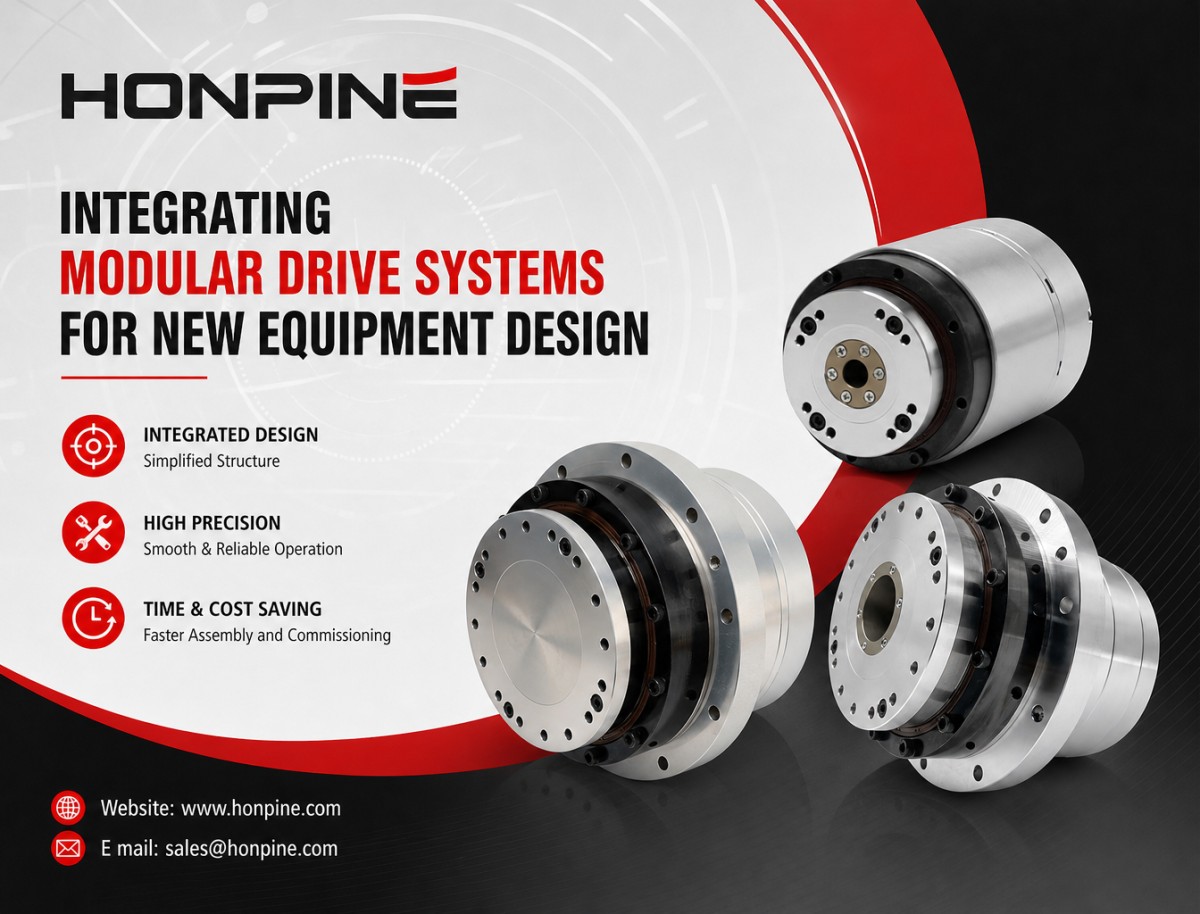
2. Integrating Modular Drive Systems for New Equipment Design
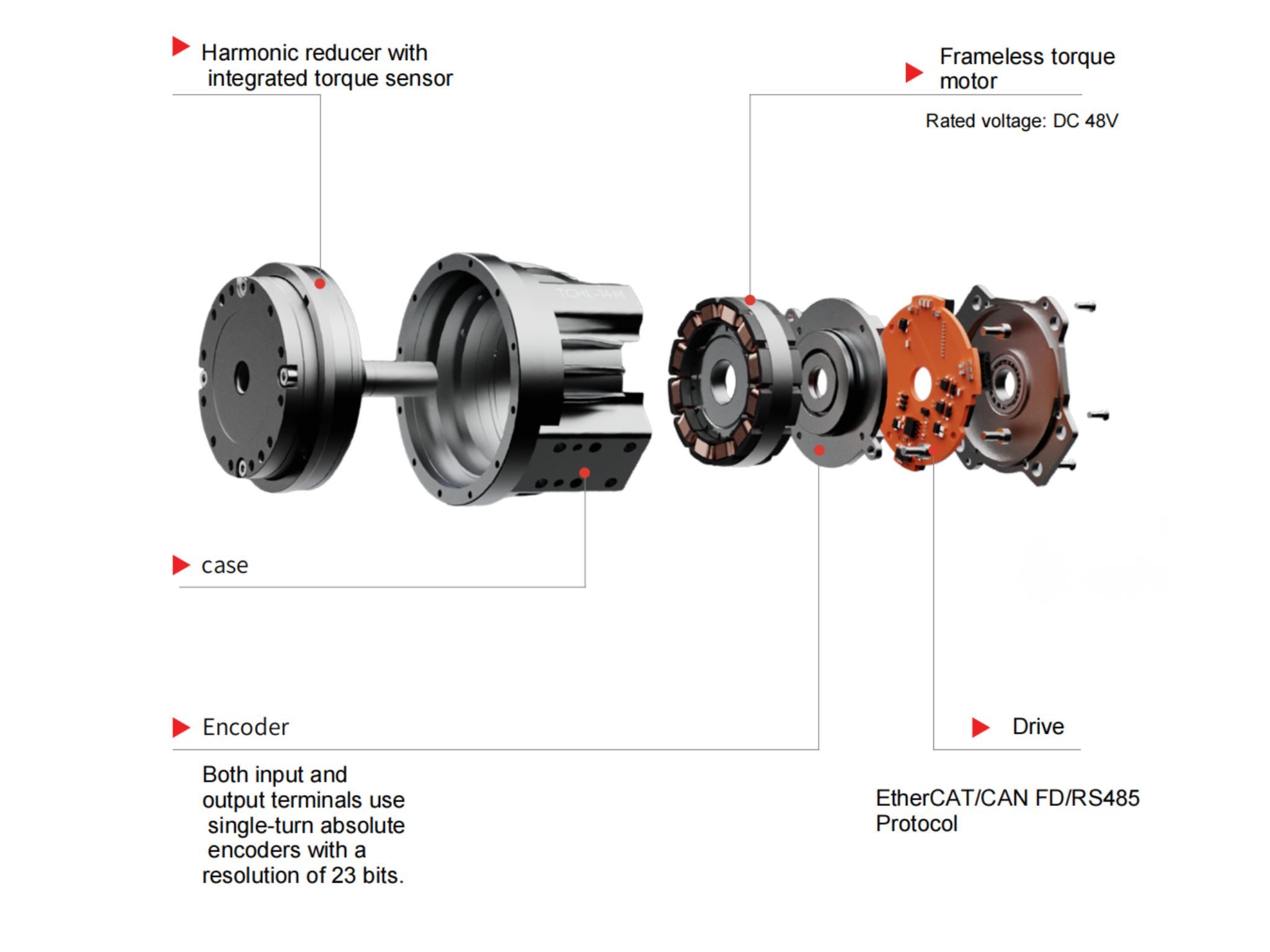
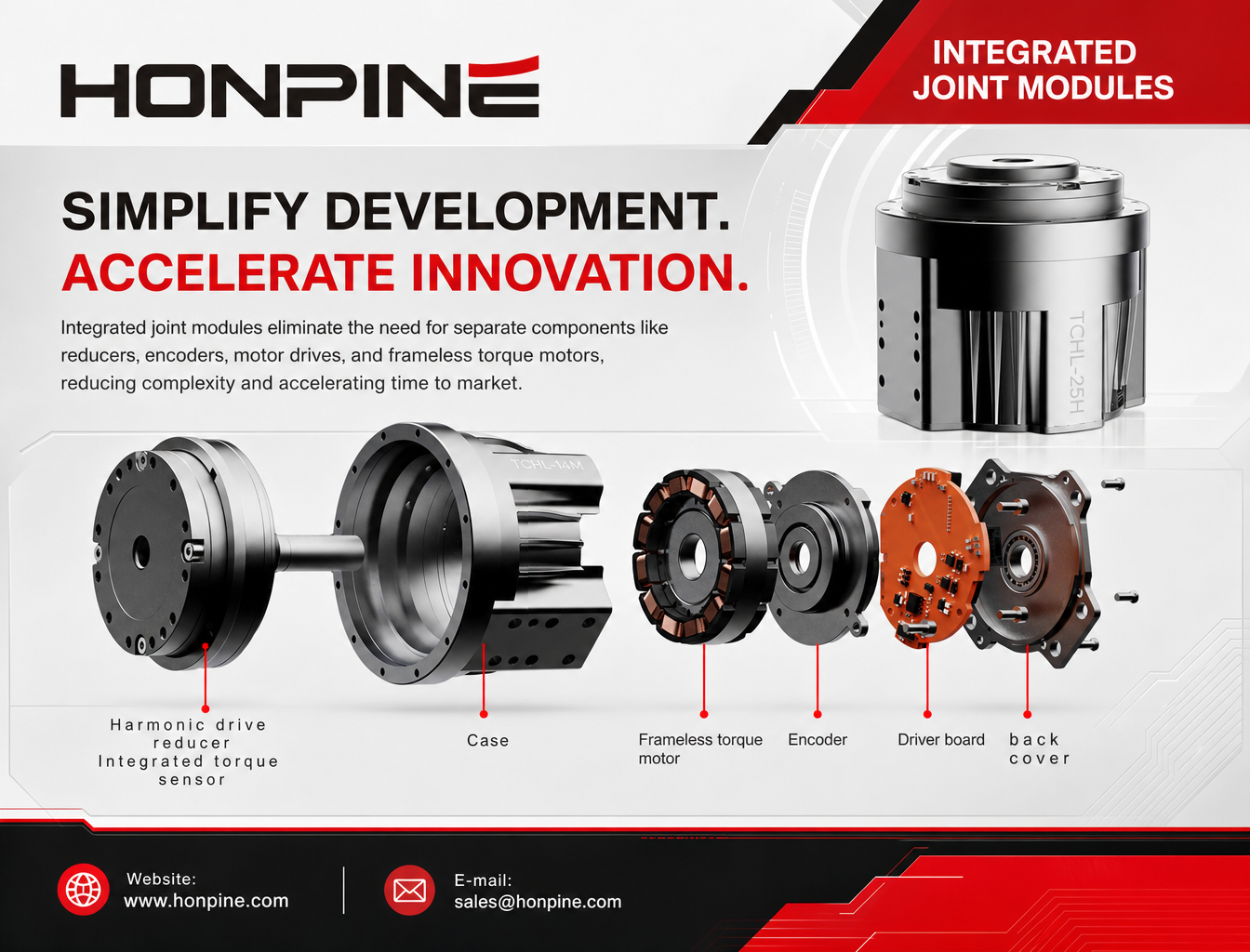
When the motor, reducer, coupling, and encoder are installed as separate components, mechanical design, alignment, assembly, and commissioning can become more complex. HONPINE harmonic rotary actuators integrate components such as a harmonic drive reducer, frameless torque motor, and encoder into a single rotary drive unit, helping reduce component-matching and installation work.
Recommended Integration Approach
- Replace the existing distributed drive assembly with an integrated rotary actuator.
- Choose a standard or large-bore hollow configuration according to the available installation space.
- Select the appropriate encoder configuration and optional electromagnetic brake based on equipment requirements.
- Verify compatibility with the existing servo drive and motion control system.
3. Improving High-Speed Indexing and Continuous Rotation with Direct-Drive Motors
When an indexing table requires frequent start-stop cycles, rapid angular changes, or continuous rotation, the backlash, transmission elasticity, and mechanical transmission chain of a conventional reducer may limit dynamic performance. In such cases, a direct-drive (DD) torque motor can be evaluated as an alternative.
Recommended Direct-Drive Upgrade Approach
Eliminate the intermediate reducer and drive the rotary table directly with a torque motor.
Match the motor to the combined inertia of the worktable, fixtures, and workpieces.
Configure appropriate output-side position feedback.
Optimize acceleration and deceleration profiles, servo parameters, and structural rigidity to reduce settling time after positioning.
4. Selecting the Right Transmission Solution for Your Application
Whether upgrading existing equipment or developing a new indexing table, there is no single transmission solution that fits every application. The selection should be based on actual operating conditions, including indexing cycle time, load inertia, positioning accuracy, stiffness, operating mode, installation space, and budget.
By matching the transmission architecture to the application's performance requirements, equipment manufacturers can improve positioning consistency, simplify mechanical integration, and optimize dynamic performance while building a reliable foundation for precision indexing operations.

About Author
Theodore Li serves as the Technical Director at HONPINE, overseeing the R&D strategy for replication products, guiding team selection, and managing both pre-sales and after-sales operations.

Read More
Learn more about the story of HONPINE and industry trends related to precision transmission.
 What is robot joint actuator?How to Choose the Best Robot Rotary Joint Actuator?In core robot joint transmission solutions, planetary and harmonic rotary actuators each have their own strengths. Choosing the right type based on application requirements is essential to achieve the optimal balance between performance and cost.
 DD Motors VS Harmonic Rotary ActuatorsThis article provides an in-depth comparison between Direct Drive (DD) motors and harmonic rotary actuators, covering their transmission principles, advantages and disadvantages, and typical application fields.
 OMG Ultra Compact Harmonic Drive Joint Module with Built-in Torque SensorHONPINE TCHL series harmonic drive joint module is a game-changing product that achieves disruptive improvements in multiple aspects such as lightweight design, integration level, and connection convenience. This article will analyze its revolutionary enhancements with you.
 The Role of Harmonic Drive Gears in Achieving 5–10 μm Accuracy in Dental Milling MachinesA dental milling machine is a CNC machining system used to directly process digital dental models into restorations such as crowns, bridges, veneers, inlays, and implant abutments. Dental milling machines require far higher operational accuracy and motion stability than ordinary equipment. This article explains how harmonic drive gear help dental milling machines achieve stable, continuous, and controllable operation.
 Why Are Harmonic Rotary Actuators Perfect for Medical Equipment?Harmonic rotary actuators (typically integrated systems consisting of a harmonic drive reducer, frameless torque motor, encoder, and optional brake) are regarded as key components in medical equipment. The core reason is that they simultaneously meet the most stringent medical requirements for precision, compact size, safety, and controllability. The following explanation is structured from three perspectives: technical characteristics, application scenarios, and medical value.
 High-Precision RV Reducers Perfectly Matched for Walking RobotsThe walking axis of a robot is a core component for power transmission and support. RV reducers provide extremely high rigidity, precision, and torque while maintaining a compact size and exceptional reliability, making them an ideal match for the demanding requirements of walking robot joints in terms of load capacity, impact resistance, and precision.
 How Can Precision Reducers, Harmonic Rotary Actuators, and Direct-Drive Motors Upgrade Precision Indexing Tables?How can manufacturers improve the accuracy, dynamic response, and integration of precision indexing tables? As flexible manufacturing continues to evolve, traditional transmission systems may face challenges such as backlash, long settling times, and complex mechanical integration. This article explores how harmonic drive reducers, harmonic rotary actuators, direct-drive (DD) torque motors, and planetary gearboxes provide practical upgrade solutions for different operating conditions. By matching the transmission architecture to positioning accuracy, indexing cycle time, load inertia, and installation constraints, manufacturers can develop more efficient and reliable precision indexing systems.
 Should Robot Manufacturers Develop Their Own Joint Modules or Buy Integrated Joint Modules?Should robot manufacturers develop joint modules in-house or purchase integrated joint modules? This article compares the advantages and disadvantages of both approaches, including development costs, technical ownership, supply chain stability, production efficiency, and long-term scalability. Learn why a hybrid sourcing strategy that combines in-house development with external procurement is becoming a practical option for humanoid robots, robotic arms, and embodied AI systems.
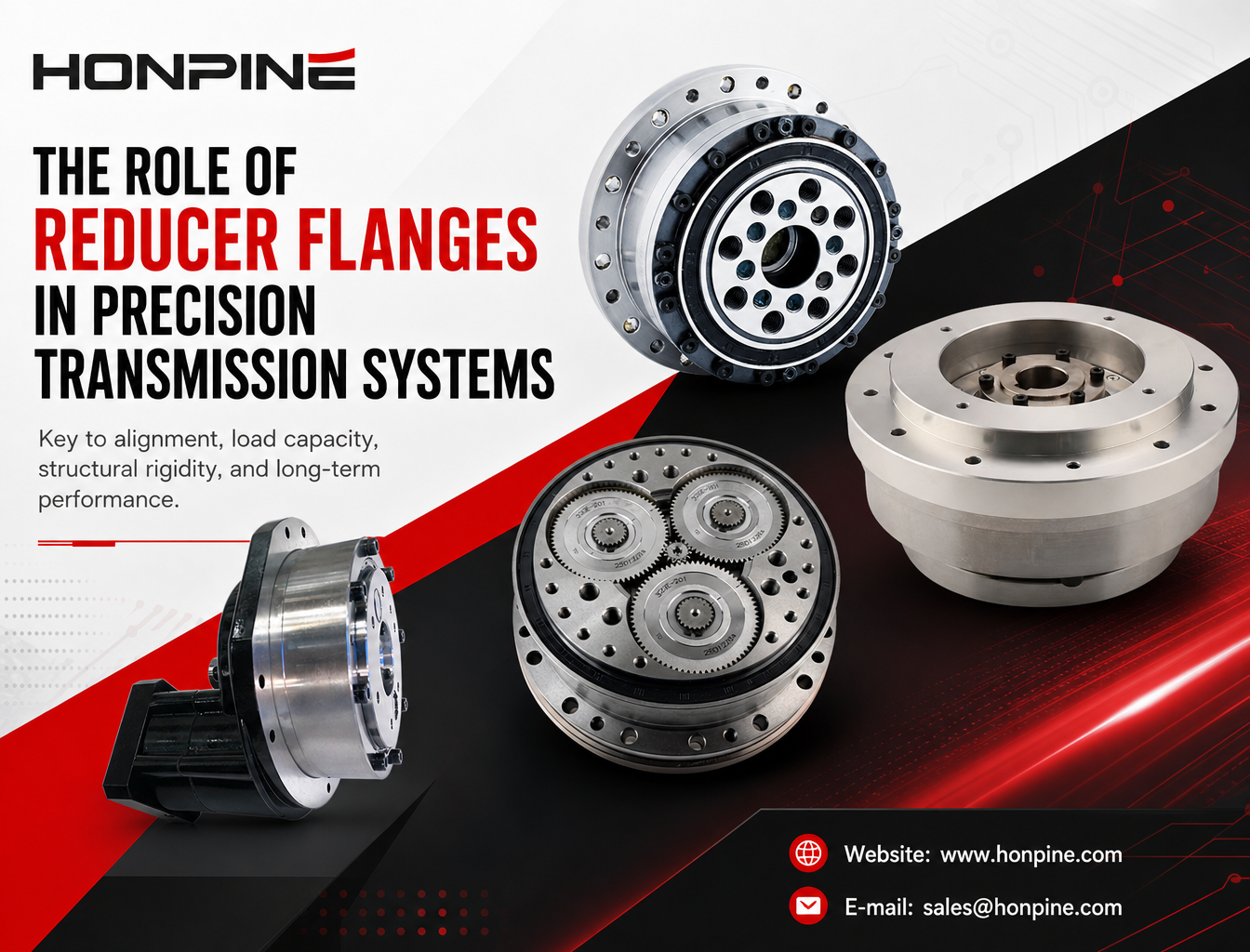
 Why Are Flanges on Harmonic and RV Reducers More Than Just Mechanical Mounting Components?A flange on a harmonic reducer or RV reducer is more than a mounting interface. It plays a critical role in alignment accuracy, load transmission, structural stiffness, and sealing performance. Even minor errors in flange design or installation can affect gear meshing, bearing life, and the overall reliability of a precision motion system. In this article, Theodore Li, Technical Director at HONPINE, explains the key engineering functions of reducer flanges and why they deserve careful consideration when designing and installing precision transmission systems.
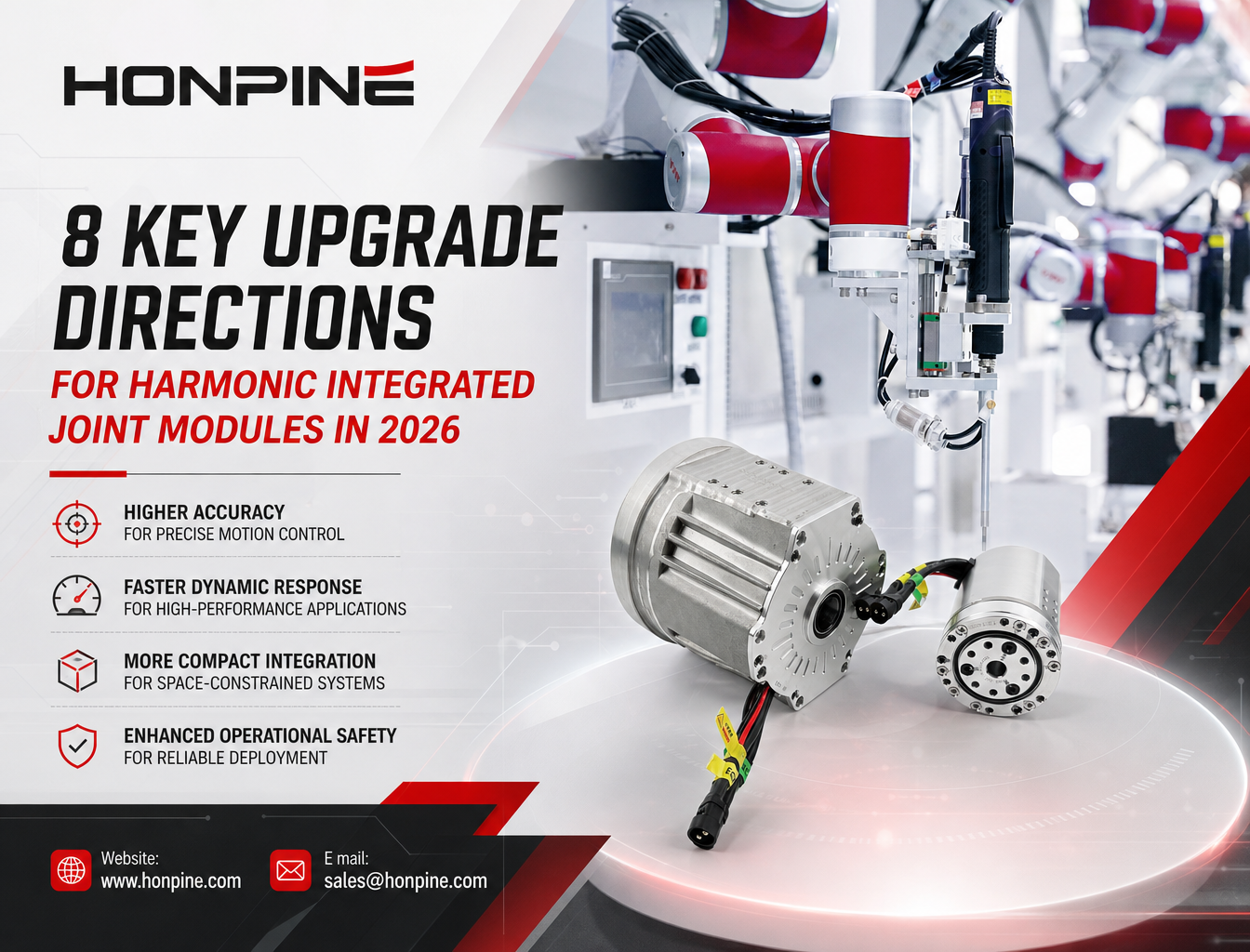
 How Should Manufacturers Upgrade Harmonic Joint Modules for Robotic Arms and Embodied AI in 2026?For engineers planning a robotic system upgrade, the right joint module depends on more than a single specification. EtherCAT synchronization, output-side position feedback, real-time torque measurement, continuous torque capability, and integrated safety functions must work together to meet the demands of the application. By evaluating these factors as a complete electromechanical system, manufacturers can make more informed decisions about joint module selection, integration, and long-term performance.
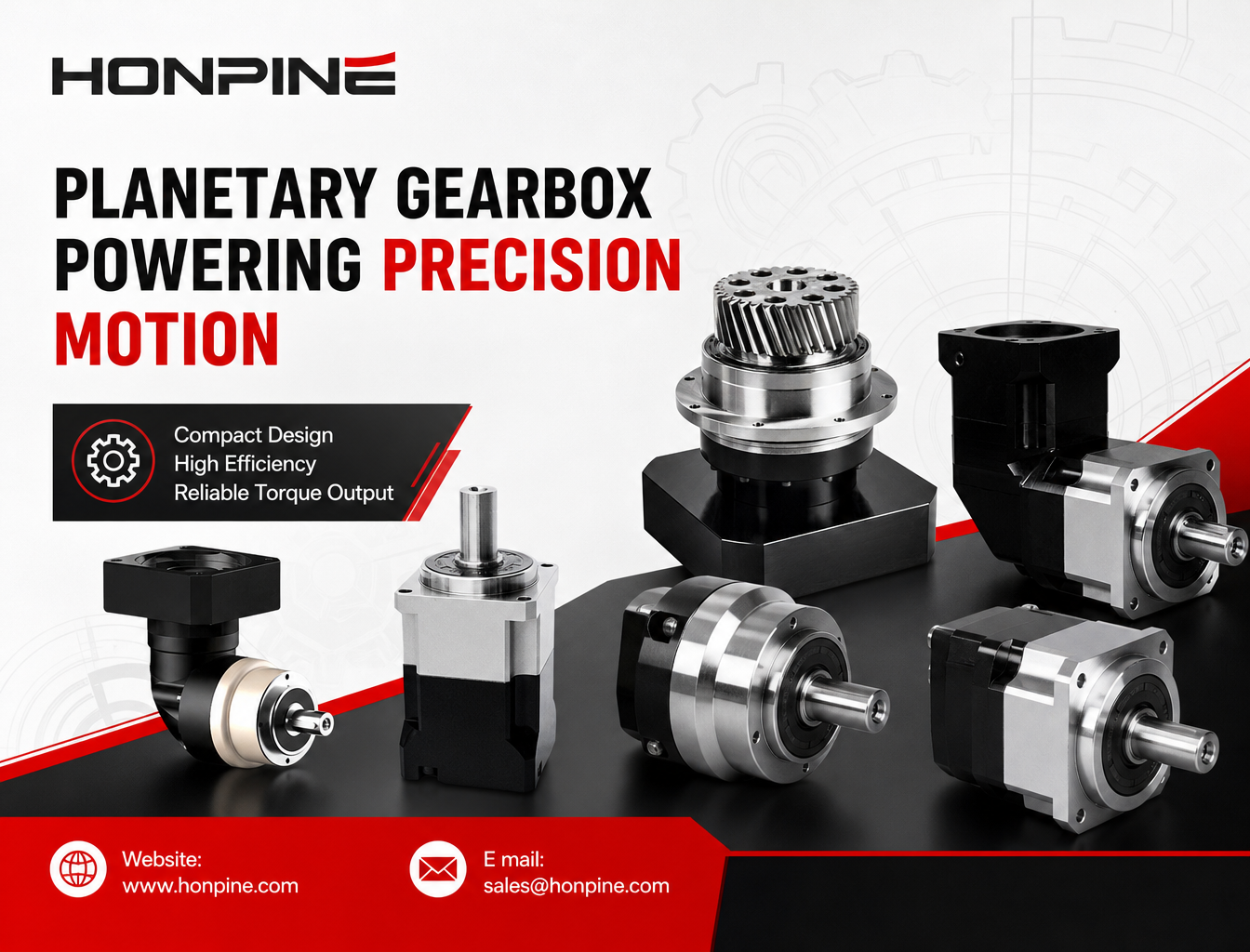
 How Do Planetary Gearboxes Reduce Speed and Increase Torque in High-Precision Automation Equipment?How does a planetary gearbox reduce speed while increasing torque in high-precision automation equipment? By combining a sun gear, multiple planet gears, and an internal ring gear, a planetary gearbox delivers compact, efficient power transmission for applications that require controlled motion and reliable torque output. From industrial robots and CNC machinery to automated assembly systems, selecting the right gearbox involves more than choosing a reduction ratio. This guide explains how planetary gearboxes work, their key advantages, common applications, and practical selection considerations to help engineers identify a suitable transmission solution.
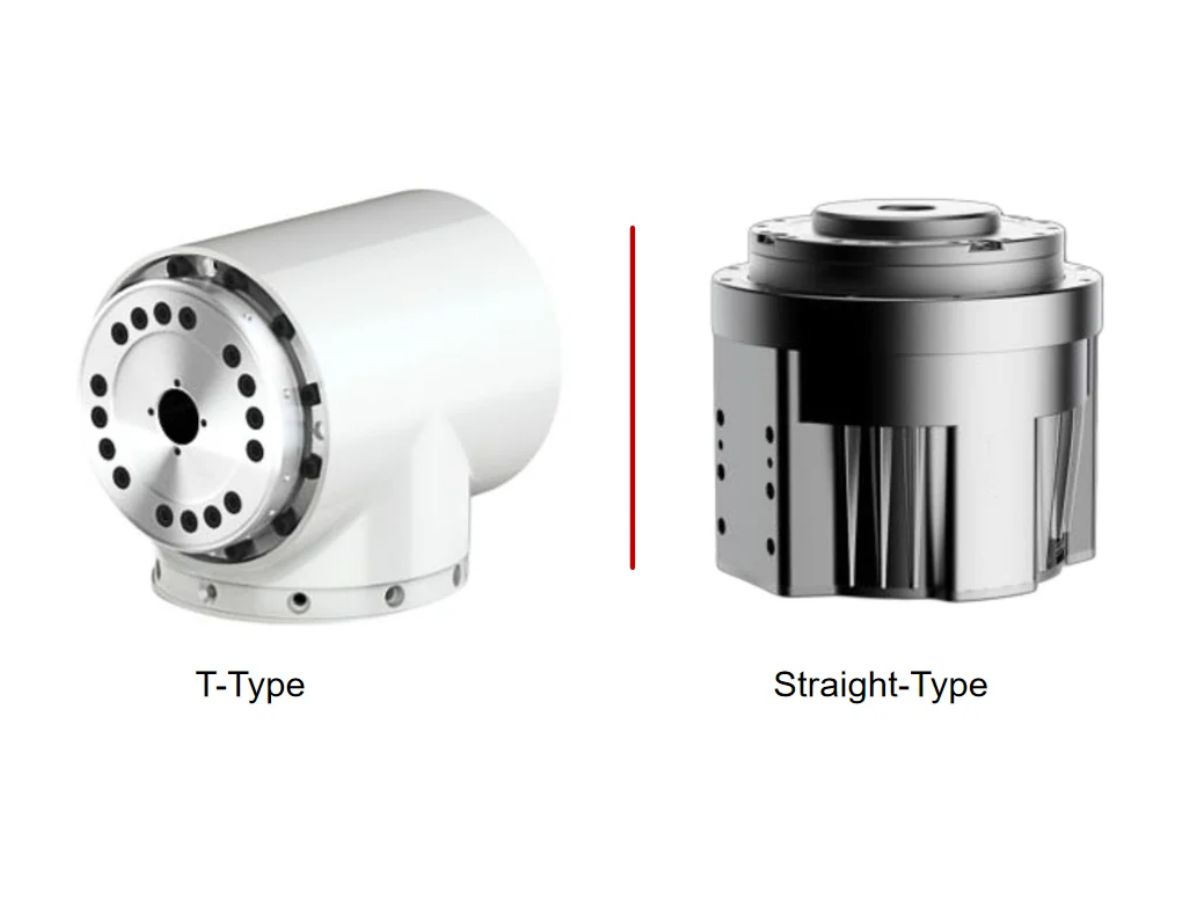
 Should You Choose a T-Type or Straight-Type Harmonic Joint Module for a Collaborative Robot?Choosing the right harmonic joint module is essential when designing a compact, high-performance collaborative robot. Should you use a TCHL straight-type or an HTS T-type harmonic joint module? Although both configurations can support precise robotic motion, their different output flange geometries affect installation space, link connections, cable routing, and mechanical integration. In this guide, Theodore Li, Technical Director at HONPINE, explains the key differences between the two designs, their advantages and limitations, and how to select the most suitable configuration for your collaborative robotic arm.
Double Click
We provide harmonic drive reducer,planetary reducer,robot joint motor,robot rotary actuators,RV gear reducer,robot end effector,dexterous robot hand
 The Role of Harmonic Drive Gears in Achieving 5–10 μm Accuracy in Dental Milling MachinesA dental milling machine is a CNC machining system used to directly process digital dental models into restorations such as crowns, bridges, veneers, inlays, and implant abutments. Dental milling machines require far higher operational accuracy and motion stability than ordinary equipment. This article explains how harmonic drive gear help dental milling machines achieve stable, continuous, and controllable operation.
 Why Are Harmonic Rotary Actuators Perfect for Medical Equipment?Harmonic rotary actuators (typically integrated systems consisting of a harmonic drive reducer, frameless torque motor, encoder, and optional brake) are regarded as key components in medical equipment. The core reason is that they simultaneously meet the most stringent medical requirements for precision, compact size, safety, and controllability. The following explanation is structured from three perspectives: technical characteristics, application scenarios, and medical value.
 High-Precision RV Reducers Perfectly Matched for Walking RobotsThe walking axis of a robot is a core component for power transmission and support. RV reducers provide extremely high rigidity, precision, and torque while maintaining a compact size and exceptional reliability, making them an ideal match for the demanding requirements of walking robot joints in terms of load capacity, impact resistance, and precision.
 How Can Precision Reducers, Harmonic Rotary Actuators, and Direct-Drive Motors Upgrade Precision Indexing Tables?How can manufacturers improve the accuracy, dynamic response, and integration of precision indexing tables? As flexible manufacturing continues to evolve, traditional transmission systems may face challenges such as backlash, long settling times, and complex mechanical integration. This article explores how harmonic drive reducers, harmonic rotary actuators, direct-drive (DD) torque motors, and planetary gearboxes provide practical upgrade solutions for different operating conditions. By matching the transmission architecture to positioning accuracy, indexing cycle time, load inertia, and installation constraints, manufacturers can develop more efficient and reliable precision indexing systems.
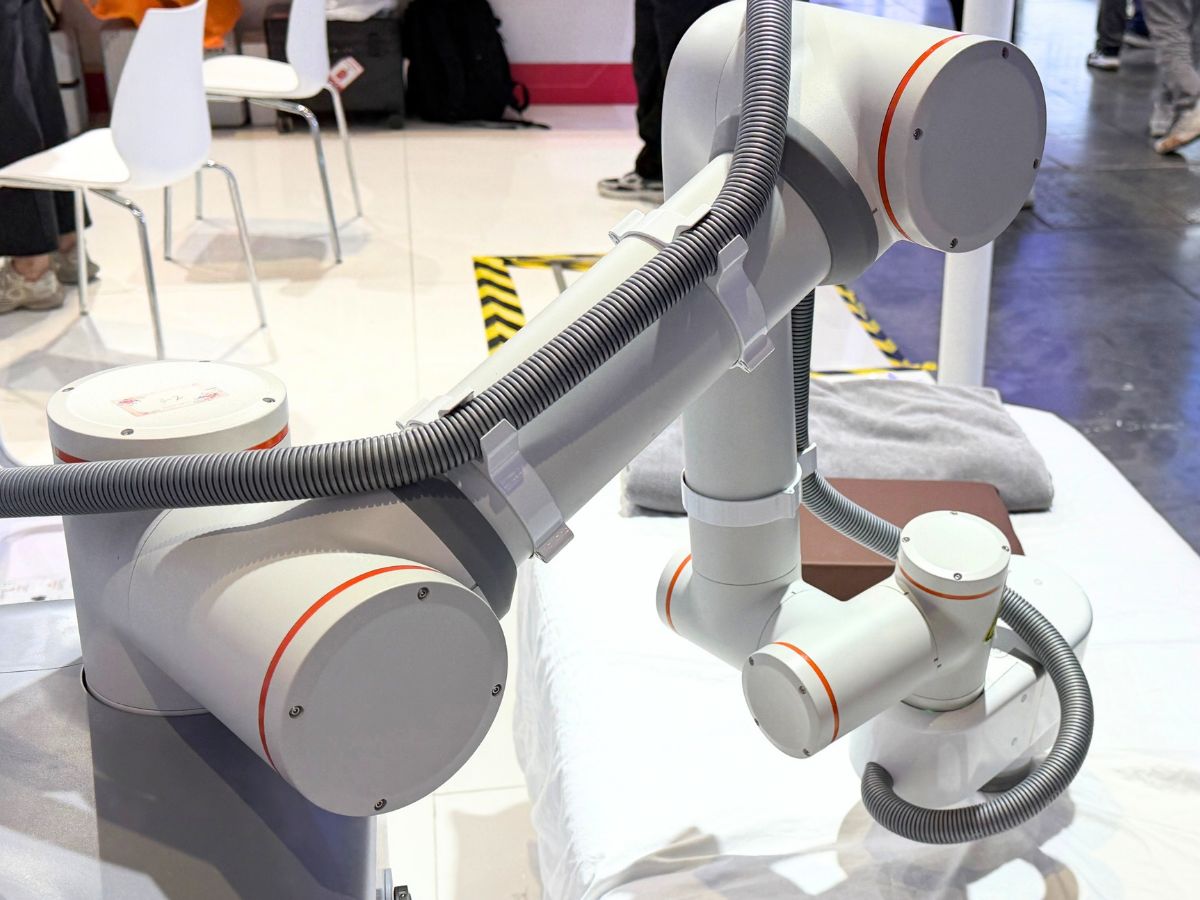
 Why Bedside Physical Therapy Robots Need Force-Controlled Joint Modules?A therapy robot does not sell a robot arm; it sells a force applied to a human body. Pressure, rhythm and depth are the prescription, and position control cannot deliver them: soft tissue is compliant and time-varying, so one position command yields contact forces that differ several-fold between muscle and bone. Force-controlled harmonic joint modules turn contact force into a closed-loop variable - the only way to make dose repeatable, human contact safe and a therapist's technique teachable. Starting from one site photo of a bedside therapy robot, this article reads the configuration, sets out five reasons force control is unavoidable, settles HONPINE's TCHL-versus-HAG choice criterion by criterion, and gives the torque sensor resolution budget that picks the frame sizes.
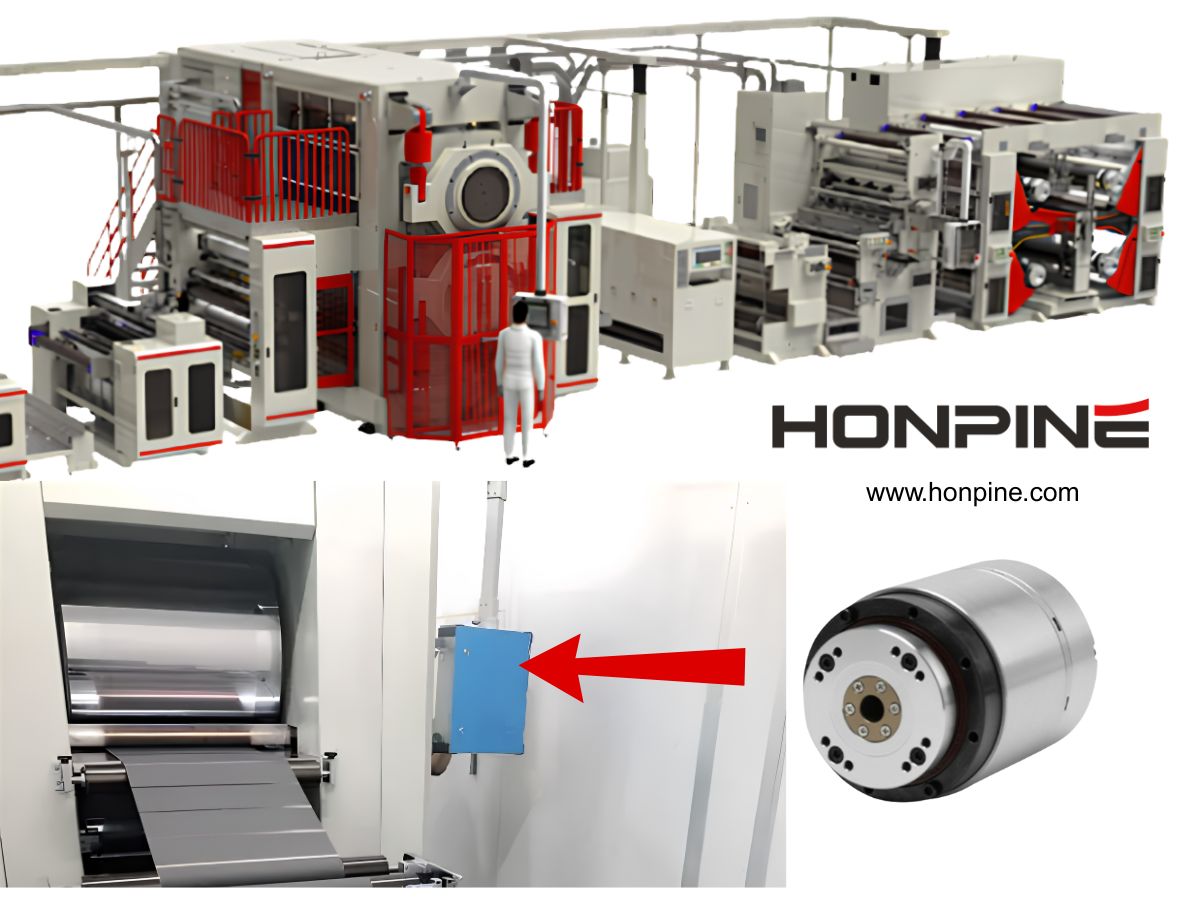
 Harmonic Rotary Actuator for Lithium Battery Roller Press EquipmentLithium battery manufacturing equipment requires higher precision, stability, and integration efficiency as production processes continue to evolve. In roller press equipment, accurate roller positioning, pressure control, and dynamic response are critical for ensuring electrode quality and consistency.
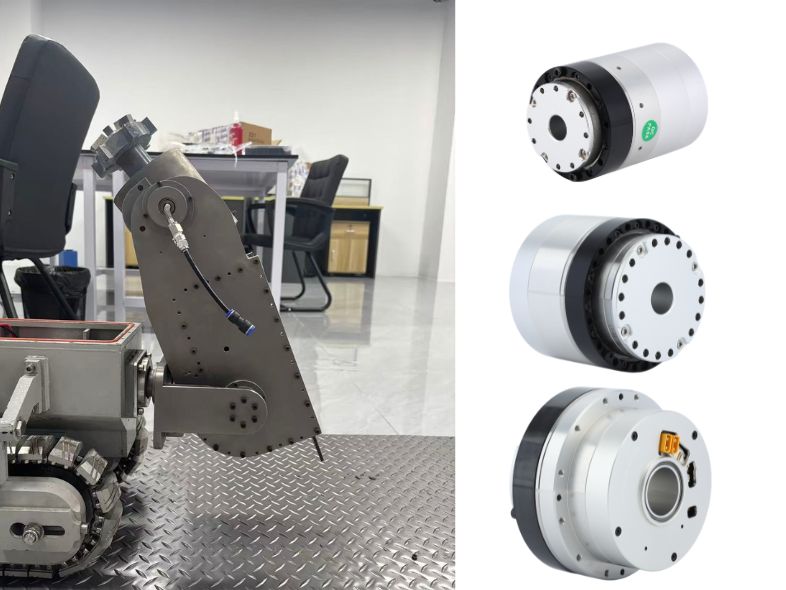
HONPINE harmonic rotary actuators provide high precision, high rigidity, fast response, and compact integration for lithium battery roller press equipment. With near-zero backlash, high torque density, and reliable motion control performance, they help improve equipment accuracy and production stability. Harmonic Robot Joint Actuators for Pipeline Robots and Other Special-Purpose EquipmentPipeline robots operate in narrow and complex environments where limited installation space, high load requirements, cable routing, and precise motion control are critical challenges. A reliable joint actuator must provide high torque output, compact dimensions, and stable performance while adapting to demanding operating conditions. Harmonic robot joint actuators integrate precision transmission, motor drive, and sensing capabilities into a compact motion unit, making them suitable for pipeline robots and other special-purpose robotic systems. This article explores the key design requirements of pipeline robots and explains how HONPINE HPJM harmonic robot joint modules help achieve compact, high-performance, and reliable robotic solutions.
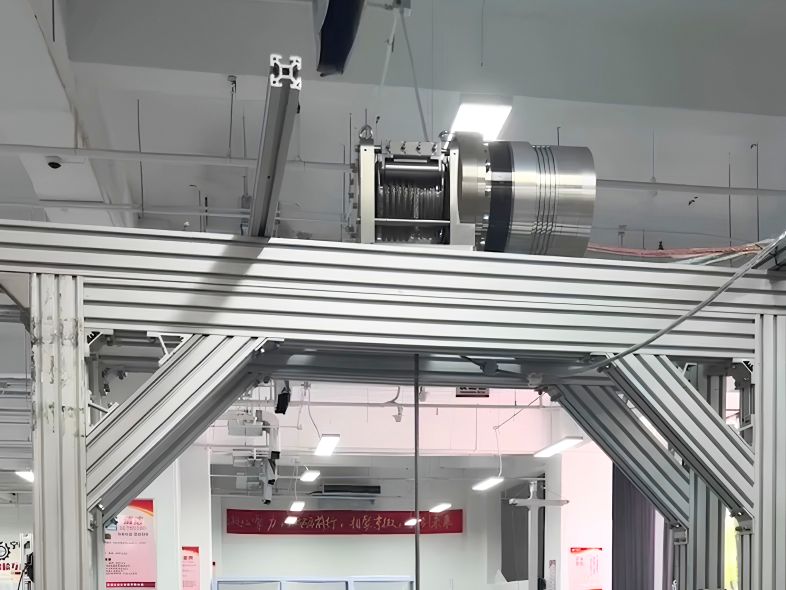
 Harmonic Actuator for Lift Equipment: Precision, Torque Density and Compact Motion Control IntroductionModern lifting equipment requires more than simply moving a load vertically. Robotic lift axes, AGV and AMR lift modules, semiconductor equipment, inspection platforms, and specialized winches increasingly demand high torque density, precise positioning, low backlash, high rigidity, and compact motion control. A harmonic actuator integrates a harmonic drive with a motor and, depending on the configuration, encoders, brakes, servo drives, and communication interfaces into a compact motion module. This article explores how harmonic actuators can be applied to different lifting systems and why their combination of precision, torque density, rigidity, and integration makes them suitable for automated lifting and positioning applications.
 Harmonic Rotary Actuators for Semiconductor Equipment: Precision Motion, Hollow-Shaft Design and FOC ControlHello everyone, I’m Theodore Li, Technical Director at HONPINE. In semiconductor manufacturing equipment, rotary motion is not simply about making a mechanism rotate. Limited installation space, cable and tube routing, low-speed stability, precise positioning and continuously adjustable motion profiles can all influence the performance of the machine. This is why harmonic rotary actuators are becoming an important motion solution for semiconductor equipment. In this article, I will discuss how harmonic transmission, FOC-based motor control, encoder feedback, large hollow-shaft design and flexible mechanical interfaces work together to meet practical semiconductor motion requirements, based on our experience with developing equipment, overhead transport, wafer handling, cleaning and crystal-growth applications.
 Miniature Harmonic Drive for Minimally Invasive Surgical RobotsMinimally invasive surgical robots require highly compact transmission systems that can deliver precise motion within extremely limited mechanical spaces. As robotic instruments become smaller and more dexterous, conventional transmission architectures can face challenges related to size, tendon elasticity, friction, hysteresis, and mechanical integration. A miniature harmonic drive offers one potential approach by providing high-ratio precision transmission, low backlash, and compact dimensions in a small mechanical envelope. In this article, I will explain why miniature harmonic transmission is relevant to surgical robotics, compare external tendon-driven and distal transmission architectures, and discuss the key engineering considerations behind HONPINE’s CSF-mini miniature harmonic reducer for compact robotic joints, flexible robotic instruments, and other precision mechanisms.
 Why Laser Wobble Welding Systems Need a High-Precision Harmonic Rotary Actuator?Laser wobble welding is increasingly used in battery manufacturing, busbar welding, electronics, medical devices, robotic welding, and other precision manufacturing applications where beam movement must remain accurate and repeatable. In mechanical wobble welding systems, however, weld quality depends not only on laser parameters but also on the precision of the rotary motion mechanism driving the wobble head. Backlash, insufficient torsional rigidity, limited torque density, and positioning errors can directly affect the actual beam trajectory and molten pool stability. This is why a high-precision rotary motion solution is becoming an important part of modern laser wobble welding equipment. A Harmonic Rotary Actuator combines precision transmission, high rigidity, low backlash, and compact integration, making it well suited for mechanical wobble heads that require controlled rotary motion under dynamic loads.
 When Does Outboard Motor Steering Require a Harmonic Rotary Actuator?Electric outboard motor steering is evolving from a simple mechanical function into a precision motion-control application. This article explains when a Harmonic Rotary Actuator becomes a suitable solution and examines the role of precision transmission, low backlash, high torque density, encoder feedback, and compact mechanical integration. It also explores applications in electric boats, autonomous surface vessels, unmanned boats, marine robotics, and electric marine propulsion, helping engineers understand how to select the right rotary actuator according to steering torque, speed, positioning accuracy, operating conditions, and installation requirements.