








Direct Drive Torque Motor
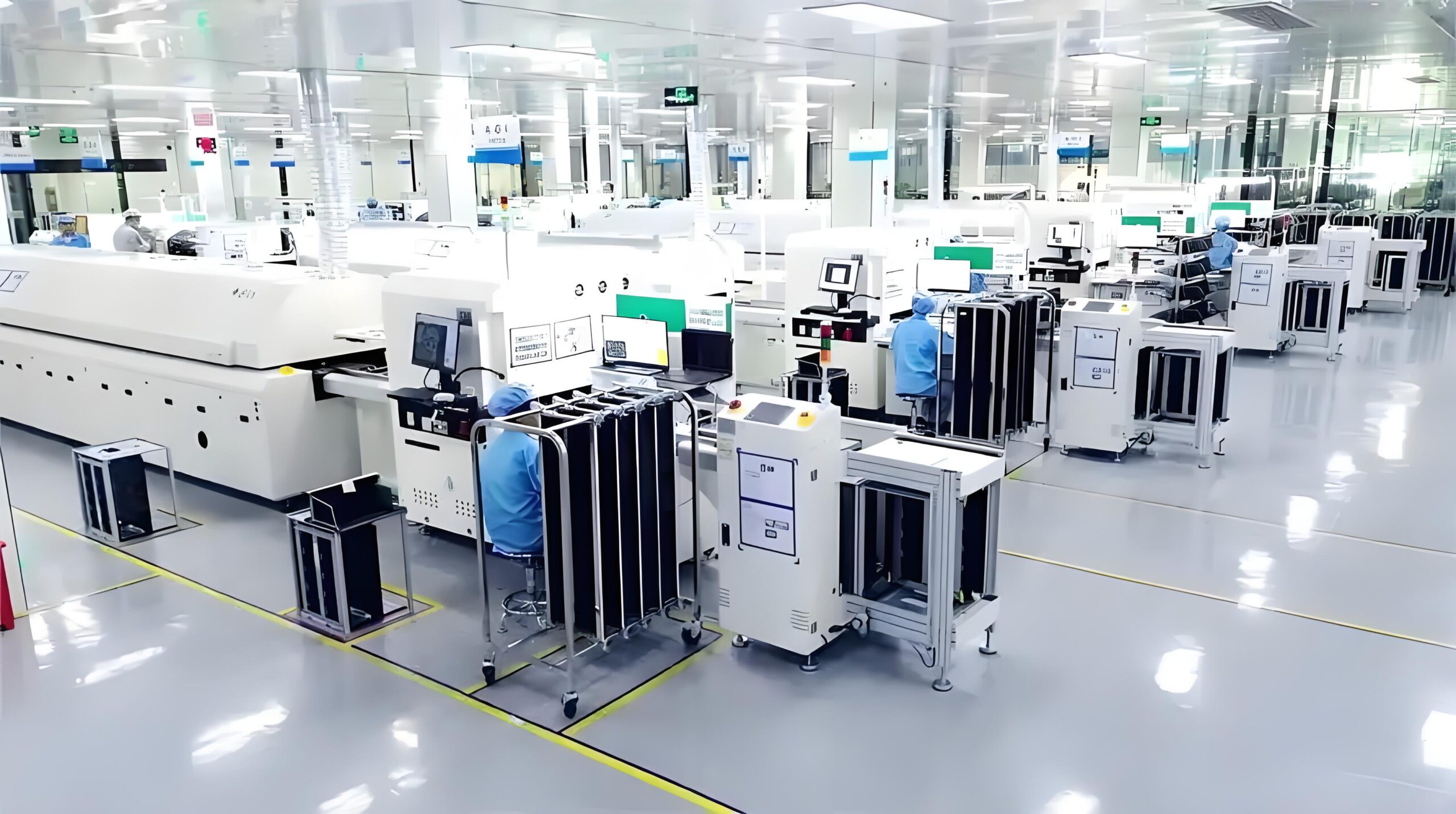
HONPINE specializes in the R&D and manufacturing of direct drive torque motors, having established a 5,000-square-meter facility dedicated to the development, production, and administration of its direct drive motor product lines. The facility is equipped with a comprehensive array of advanced machinery, including dynamometers, fully automated winding machines, CNC machining centers, laser interferometers, automated potting machines, and salt spray test chambers. Furthermore, the company has established sales and after-sales service centers in Singapore, Suzhou, and Shenzhen. To support the localization of semiconductor equipment manufacturing, the company commissioned a precision assembly cleanroom and an R&D laboratory in 2024. HONPINE has successfully obtained quality certifications such as ISO9001 and CE, and its independently developed products have been awarded dozens of patents for both inventions and utility models.
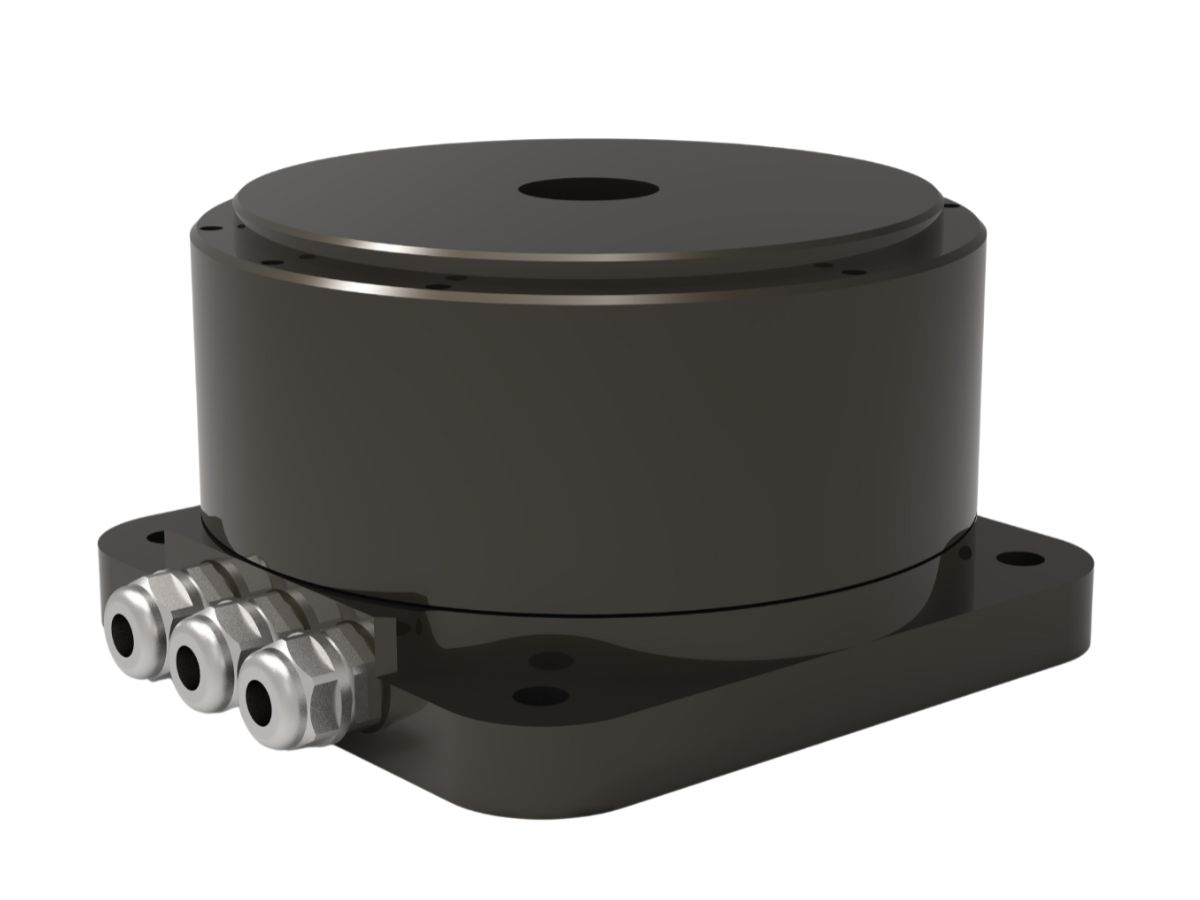
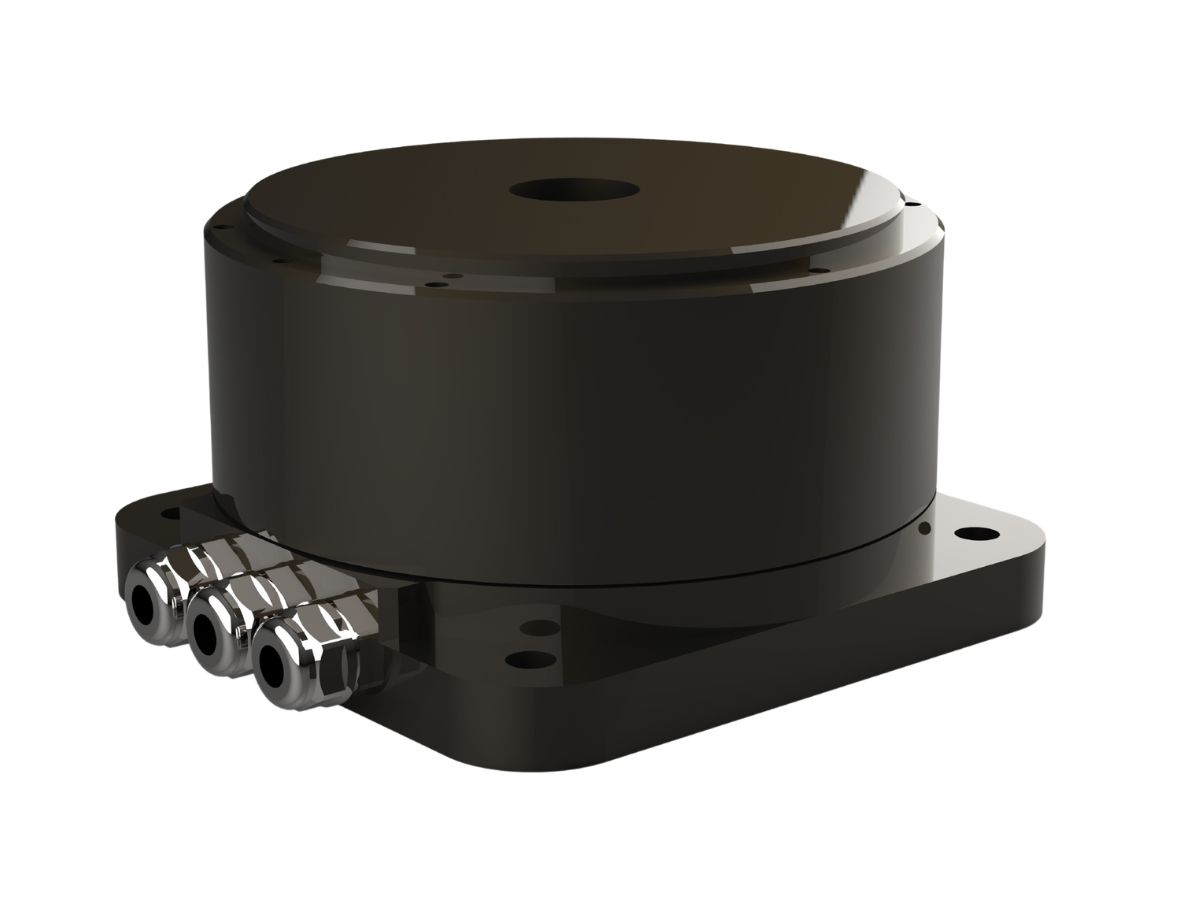
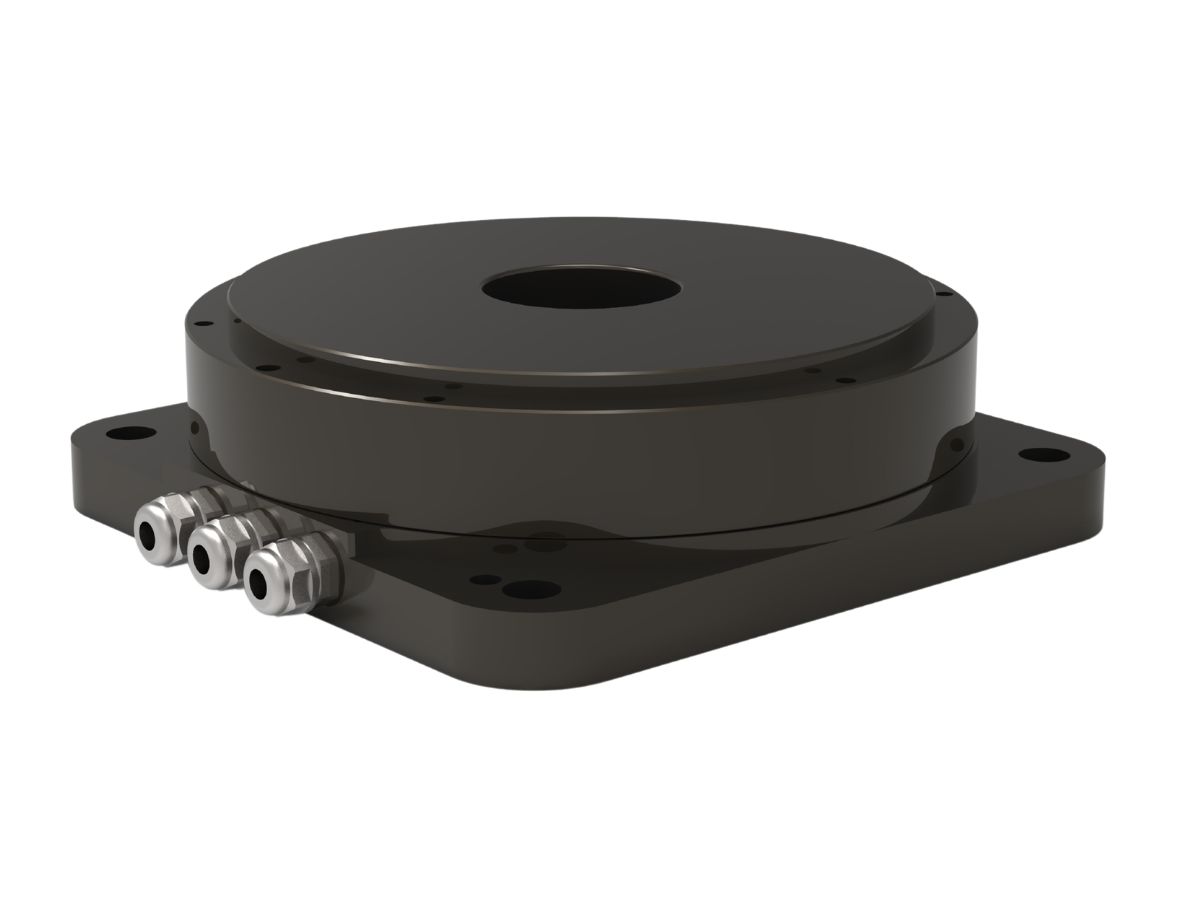
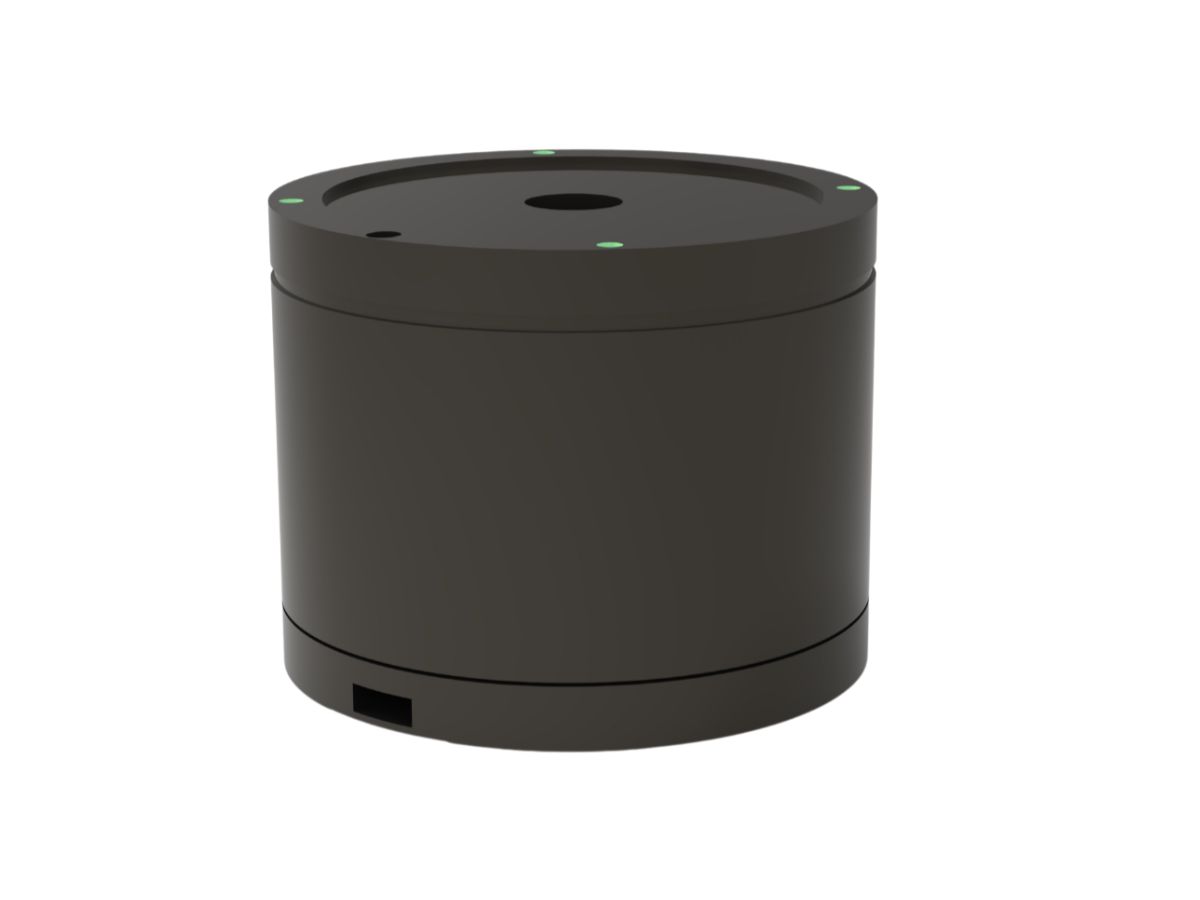
Direct Drive DD Torque Motor
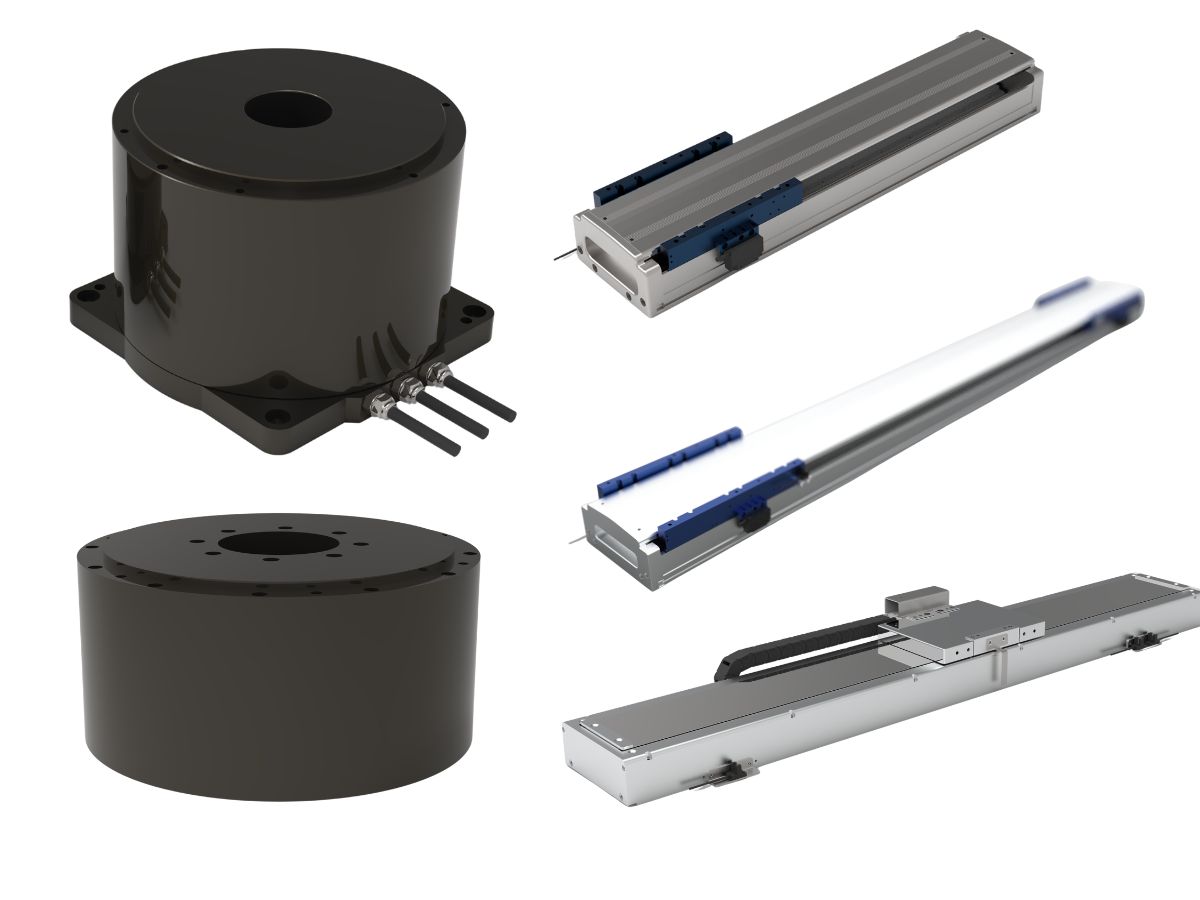
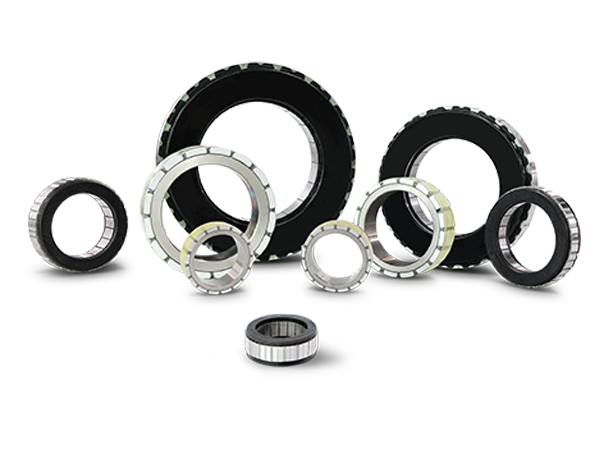
A DD motor (Direct Drive Motor) is also referred to as a direct-drive motor, torque motor, or hub motor. It is a specialized type of motor that transmits torque directly to the load, bypassing the need for intermediate mechanical transmission mechanisms (such as gears, belts, etc.). This design serves to minimize mechanical losses while enhancing both efficiency and precision
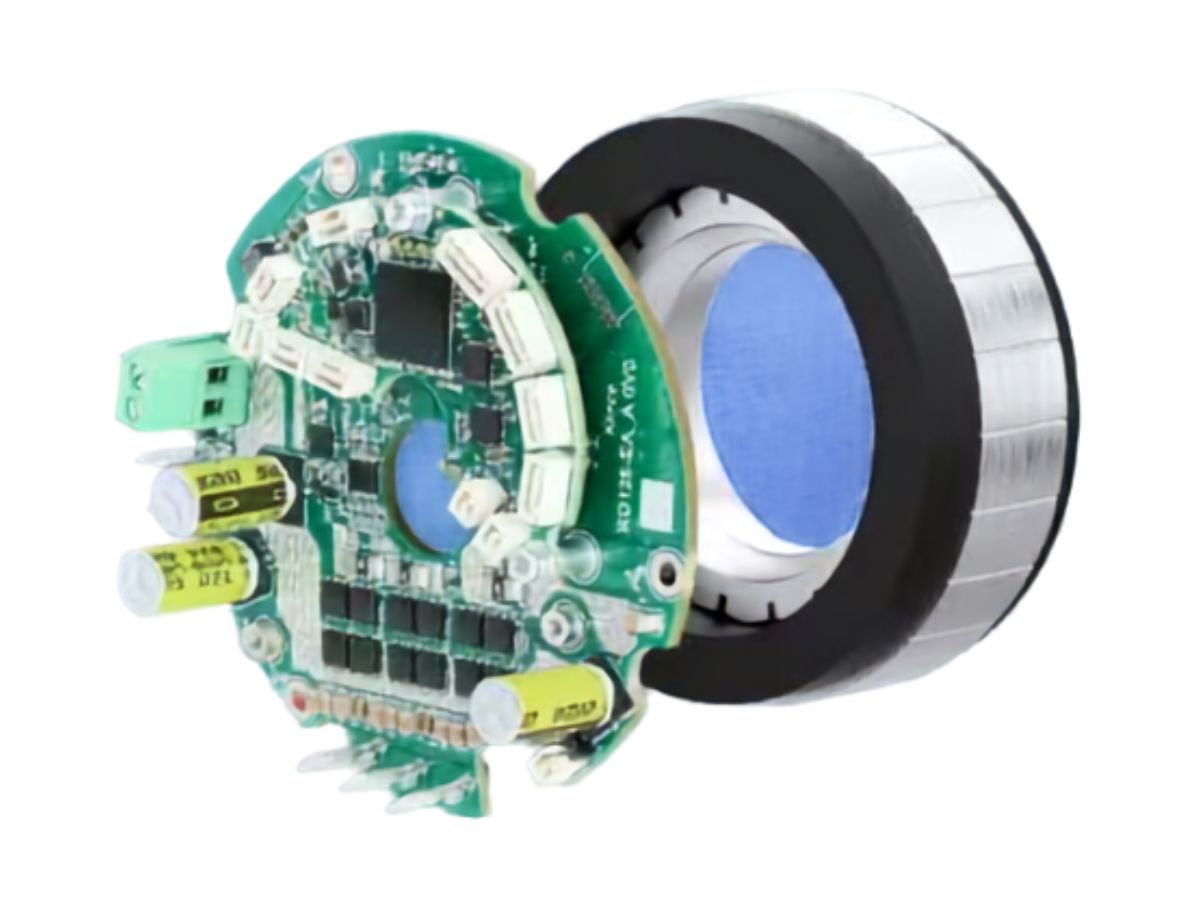
By connecting directly to the customer's load, the torque motor eliminates the need for intermediate coupling mechanisms—such as reducers or gearboxes—resulting in a highly compact overall assembly. It features stable and reliable operation, as well as low noise levels. Furthermore, the motor is equipped with a high-resolution rotary encoder, rendering the overall product structure even more compact while ensuring superior precision..
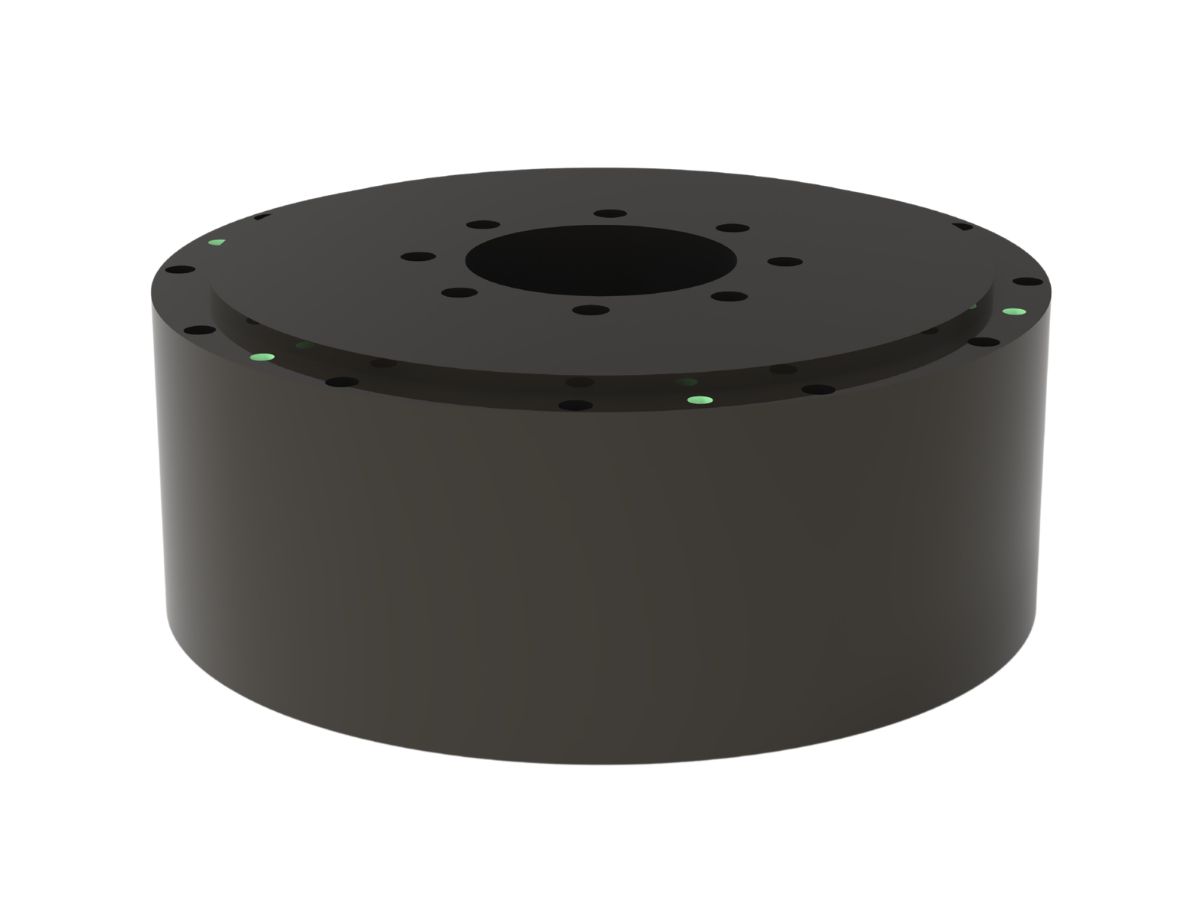
 Integrated Absolute Encoder Mechanical DD Motor for Automation SystemThe load of the TDB-263-138-NH-RD DD motor is mounted directly onto the motor rotor, eliminating mechanical backlash and achieving exceptionally high servo stiffness. It features an integrated high-end absolute encoder, which significantly enhances the efficiency and safety of automation systems. This direct coupling allows for a more responsive control loop in precision equipment. We offer comprehensive support for customized designs and contract manufacturing (OEM/ODM). If your precision applications require direct drive technology, please contact us for a professional solution.Details
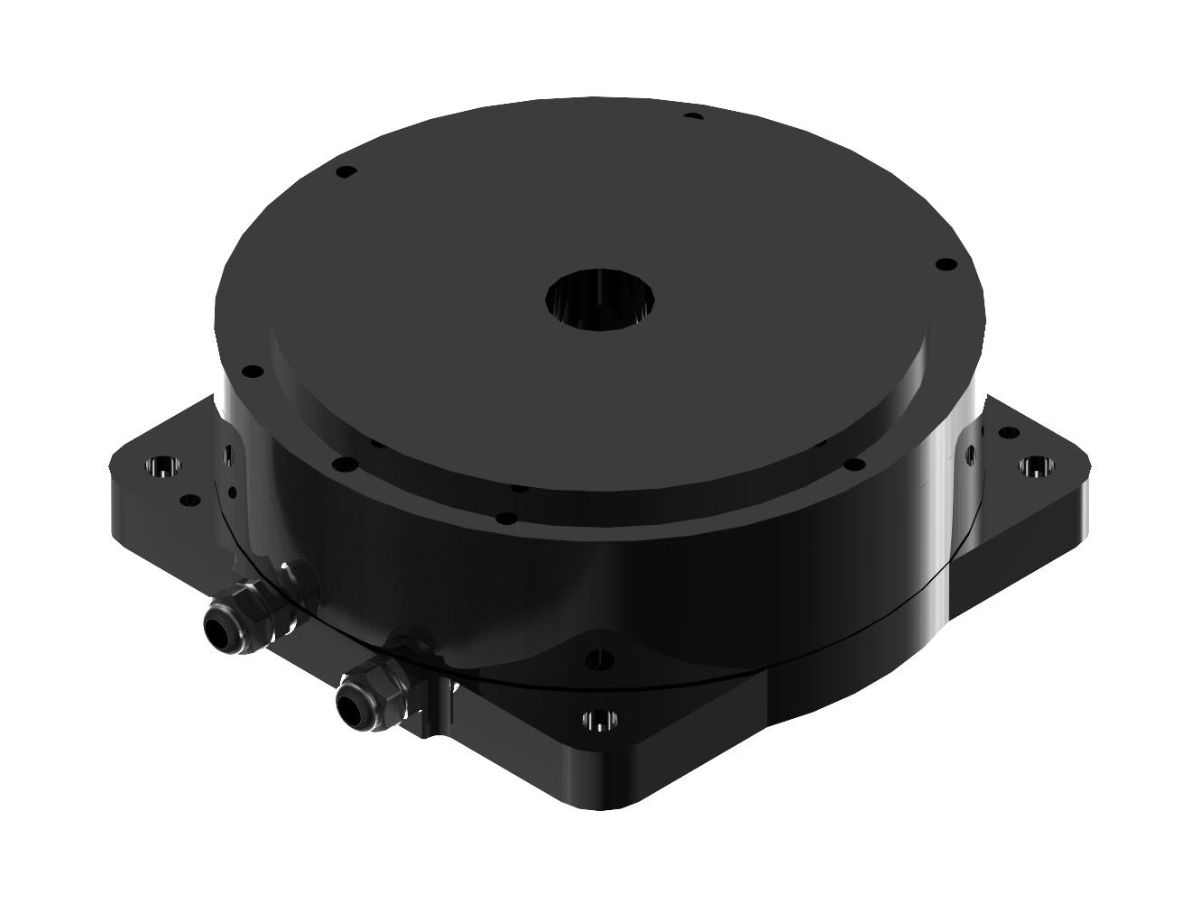
 External Rotor Continuous Incremental Encoder Torque Direct Drive Torque MotorThe TDB-150-037-NH-A direct drive torque motor features a flat, low-profile design with a 150 mm outer diameter, delivering 1 N·m continuous torque and 3.5 N·m peak torque. Its external rotor architecture provides superior torque density within a compact footprint. Closed-loop commutation is achieved through an incremental encoder, ensuring precise and reliable motion control. The direct drive structure eliminates the need for gearboxes, making maintenance significantly easier — offering the best cost-performance ratio without compromising positioning accuracy.Details
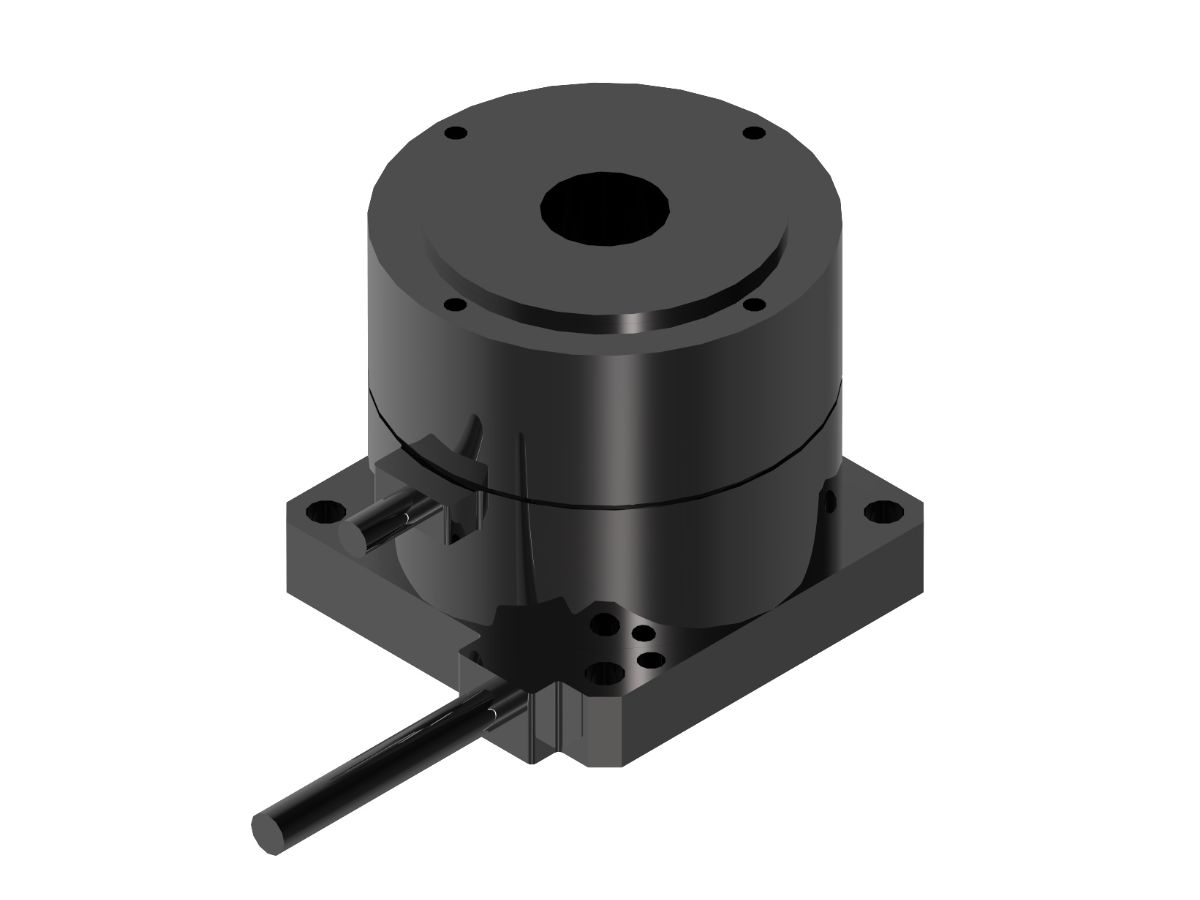
 High Torque DD Torque Rotary Motor for Precision Automated EquipmentThe TDB-080-050-NH-RD-T DD motor features a compact direct-drive structure with an outer diameter of 80 mm and a height of 50 mm, making it suitable for applications requiring high-precision rotary positioning and stable torque output. This model provides a continuous torque of 0.6 N·m, a peak torque of 2 N·m, and a maximum speed of 450 rpm. Equipped with an RD encoder and a sensorless design without Hall sensors, it offers fast response, minimal backlash, smooth operation, and high positioning accuracy. It is well suited for applications such as automated rotary tables, precision inspection systems, semiconductor equipment, and high-end medical devices.Details
 Compact Design High Precision Direct Drive Torque MotorThe TDB-040-038-NH-AY direct drive (DD) torque motor features a compact structure, high precision, and fast response, making it suitable for high-precision positioning and direct drive applications. Combining compact size with strong performance, it is well suited for semiconductor equipment, precision stages, and automation systems.Details
 High Torque TDB-263-113-NH-A Direct Drive Torque Motor for Automation and Precision ApplicationThe TDB-263-113-NH-A is a large direct drive torque motor that combines high torque, high rigidity, and high precision positioning. Its outer rotor structure, Hall‑sensor‑free design, and high‑resolution incremental encoder configuration enable stable and efficient operation in heavy‑duty automation equipment and precision manufacturing applications.
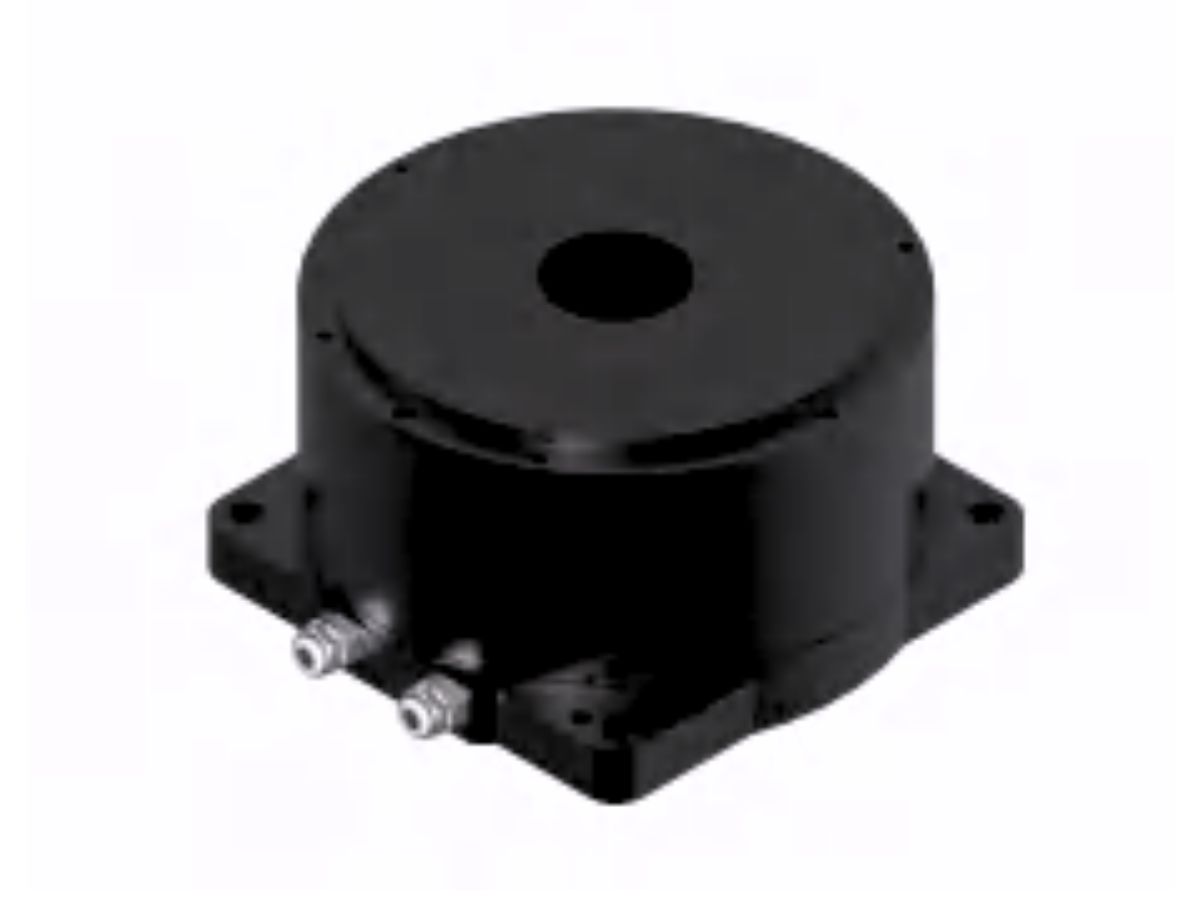
Compared with traditional servo motors, direct drive torque motors offer the following advantages:higher precision,greater torque,higher efficiency,simpler maintenance,more compact installation footprint.Details Industrial Servo Drives Direct Drive DD Torque Motor with Hall SensorTDB-170-125-NH-B direct drive DD torque motor, with its outstanding structural design and stable control performance, is widely used in CNC rotary tables, semiconductor equipment, robotic joints, precision inspection, and other fields. This model adopts an outer rotor structure (all TDB series feature outer rotor design), which structurally makes it easier to achieve higher moment of inertia and a larger output radius, making it suitable for high dynamic response and high-load applications. It is designed for drive solutions that do not require Hall sensors for startup and is well compatible with most industrial servo drives, facilitating easy commissioning and deployment.Details
 Outer Rotor Direct Drive Torque Motor with Hall Sensors and Incremental EncoderTDB-170-095-NH-A Direct Drive Torque Motor adopts an outer rotor design, which structurally makes it easier to achieve higher moment of inertia and a larger output radius. It comes with Hall sensors for easier startup and better compatibility with a wide range of drives. Equipped with an incremental encoder, it is suitable for most servo control systems. With a positioning accuracy of ±20 arc seconds and repeatability of ±1.5 arc seconds, it meets the requirements of precision machining and inspection. It is widely used in applications such as CNC rotary tables, semiconductor equipment, robotic joints, and precision inspection.Details
 High Torque Speed Precision Encoder Direct Drive MotorThe TDB-112-065-NH-A direct-drive motor is structurally composed of four main parts: the stator (stationary part), the rotor (rotating part), the bearings, and the encoder (a sensor used to detect rotational position). The motor has a diameter of 112 mm, a height of 65 mm, and a weight of 2.8 kg. It delivers a continuous torque of 3 N·m and a peak torque of up to 9 N·m, with a rated power of 110 W, a continuous current of 2.5 Arms, and a peak current of 7.5 Arms. Its key features include high dynamic performance, high precision, optimal speed control, ultra-compact structure, excellent MTBF, and reduced maintenance requirements.Details
 DC Torque Motor for Precision Automation Equipment and CNC MachinesThe TDB-170-050-NH-A torque motor is a low-speed, high-torque DC motor with precise control. Its key features include the elimination of transmission errors, high rigidity with low vibration, fast response, and low maintenance requirements. It is commonly used in precision automation equipment such as semiconductor wafer processing machines, precision indexing tables, high-accuracy direct-drive turntables, and LCD panel handling systems.Details
 Compact Structure High Precision DD DC Torque MotorThe TDB-080-067-NH-A-T DD torque motor is a high-precision, low-speed, high-torque DC motor, suitable for applications such as robotic joints, precision motion platforms, and automated equipment. This model has a diameter of 80 mm, a height of 67 mm, and weighs only 1.6 kg. It features a 22-pole design, delivering a continuous torque of 1 N·m and a peak torque of up to 3.5 N·m, with a continuous current of 1.7 Arms, a peak current of 5.9 Arms, and a rated power of 32 W. The TDB series torque motors are characterized by a compact structure, high torque density, and precise control performance, making them an ideal choice for precision automation and intelligent equipment applications.Details
Linear Direct Drive Motor
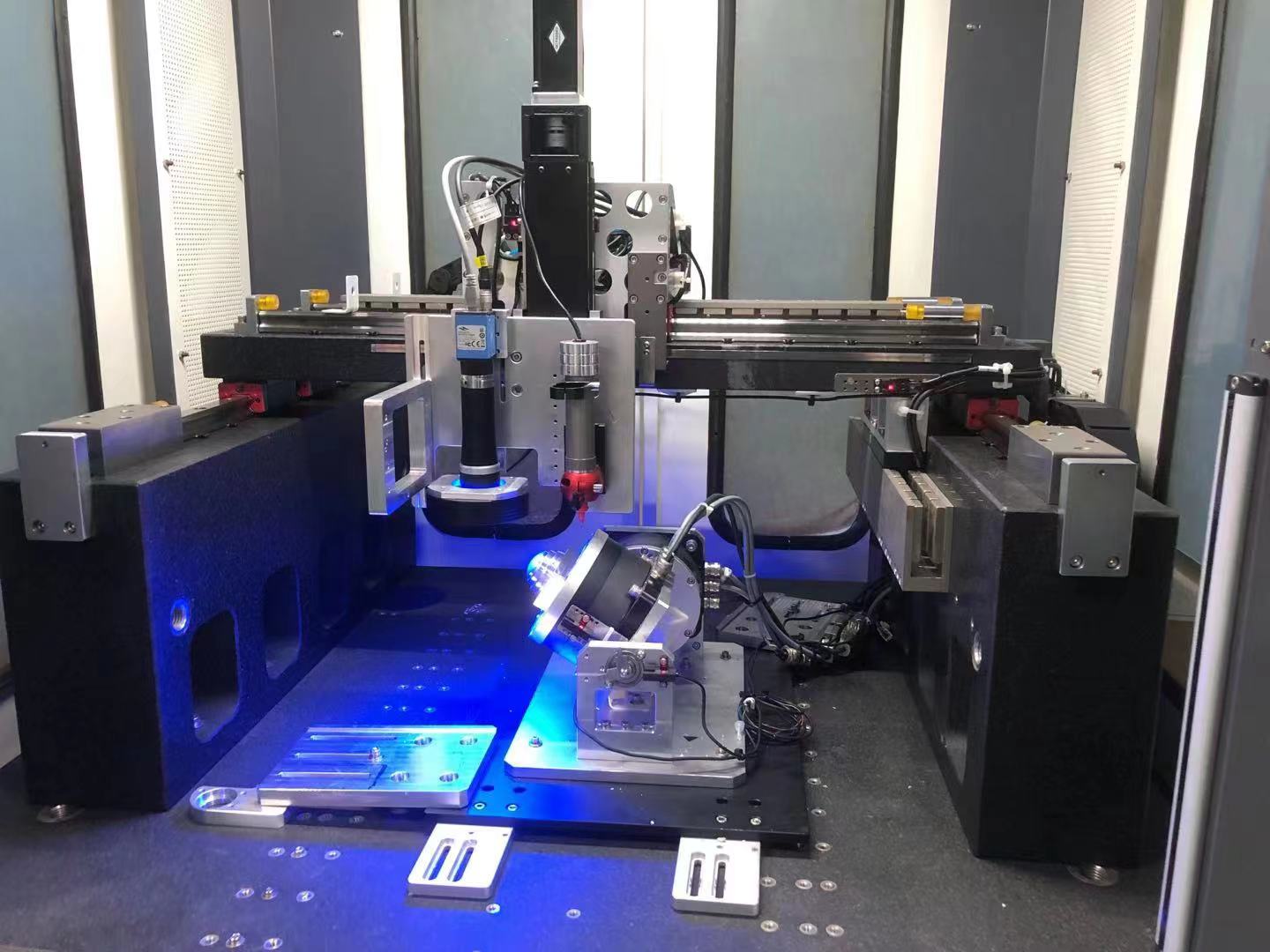
With the rapid development of industrial automation and smart manufacturing, precision measurement technology has become essential for improving product quality and manufacturing efficiency. Advanced measurement equipment, including coordinate measuring machines (CMMs), optical inspection systems, and surface profilometers, is widely used in industries such as semiconductor manufacturing, automotive production, aerospace, and precision machining. These applications require motion systems with higher accuracy, repeatability, dynamic response, and long-term stability.
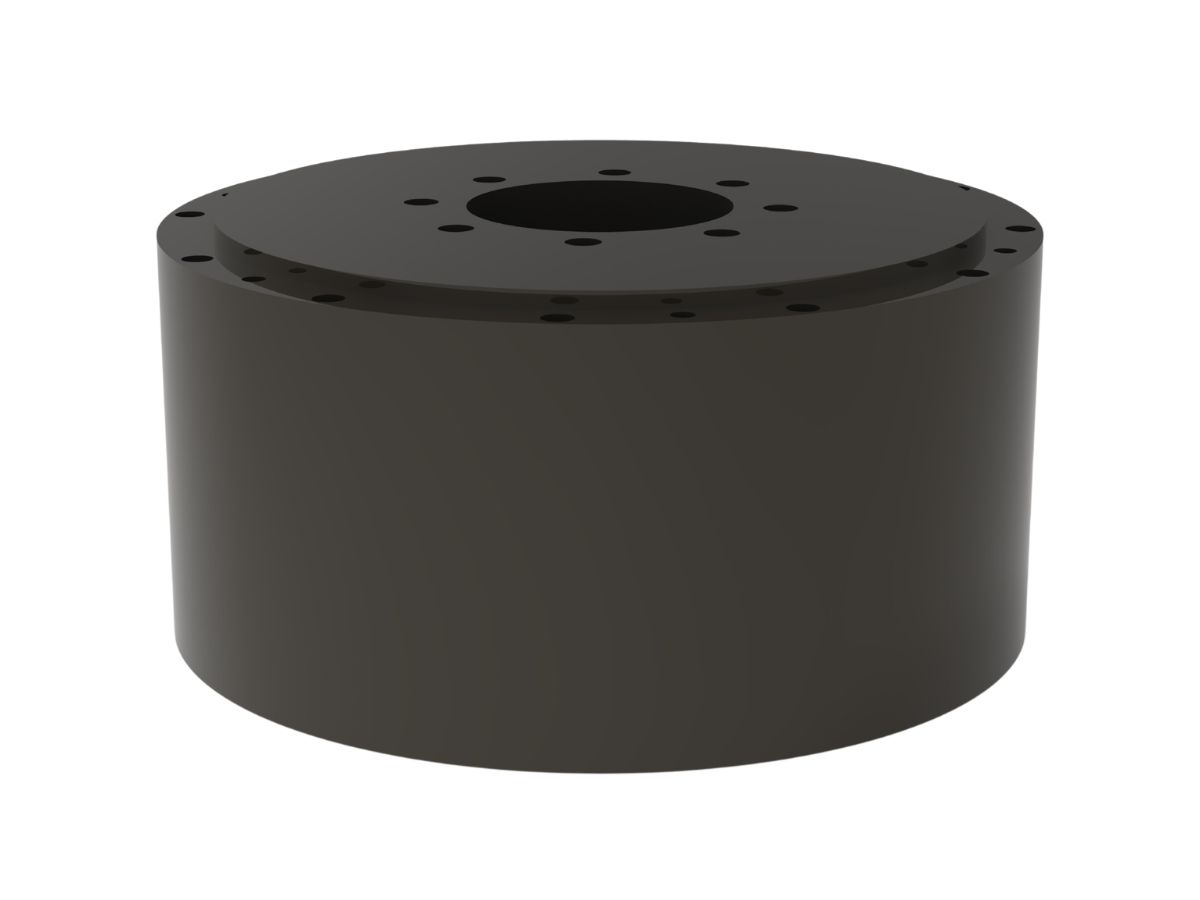
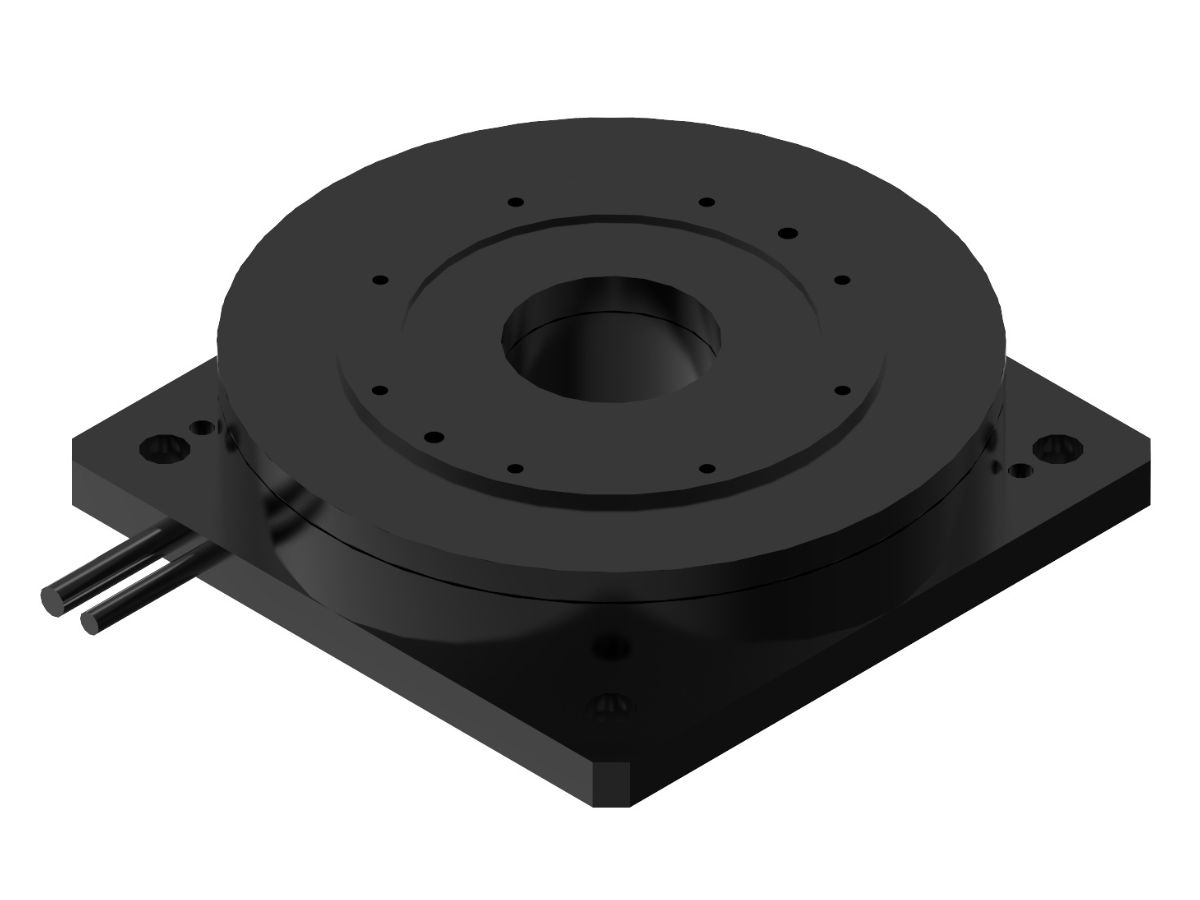
As a critical motion component, linear motor modules provide significant advantages through direct-drive technology, including zero backlash, high-speed response, micron-level positioning accuracy, low vibration, and stable operation over long travel distances. Compared with traditional transmission methods such as ball screws and belts, linear motor modules eliminate mechanical wear and transmission errors, delivering higher precision and efficiency for advanced measurement applications. Today, they have become a key solution for next-generation precision inspection and measurement equipment.
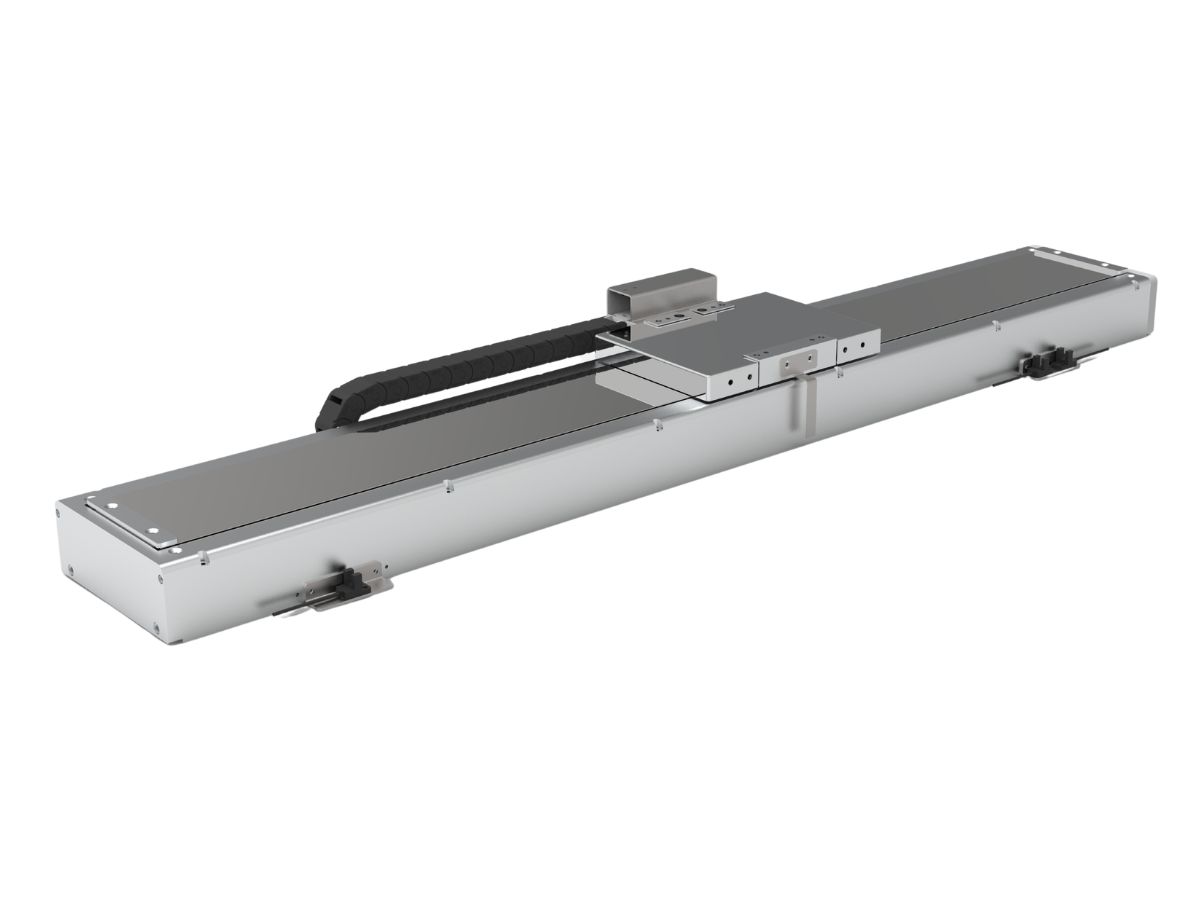
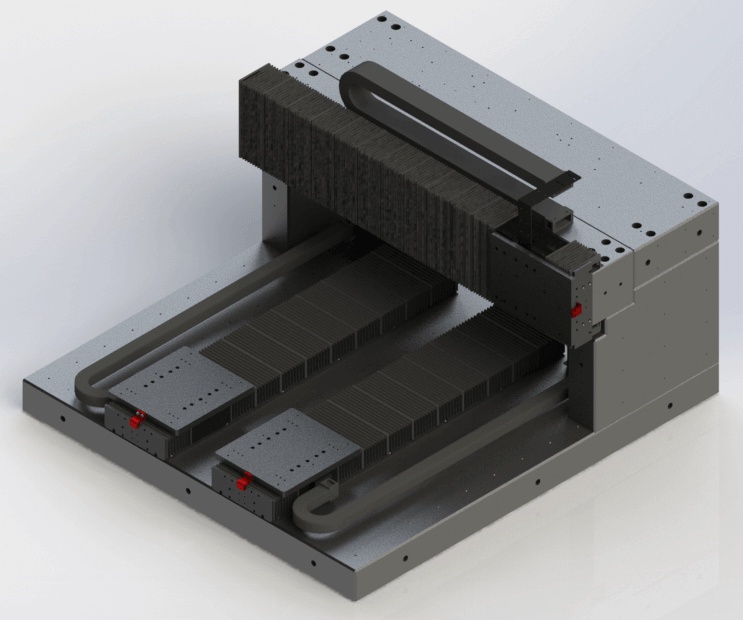
 Fully Enclosed Direct Drive Linear Motor Actuator for High Hygiene Standards DevicesA fully enclosed direct drive linear motor actuator features a structure entirely sealed within a housing, effectively preventing dust, water vapor, and other contaminants from entering the internal mechanisms, thereby extending its service life. Typically manufactured from stainless steel, these modules offer excellent corrosion resistance and durability. They are ideal for industries with high hygiene standards, such as food processing, pharmaceuticals, and medical devices.Details
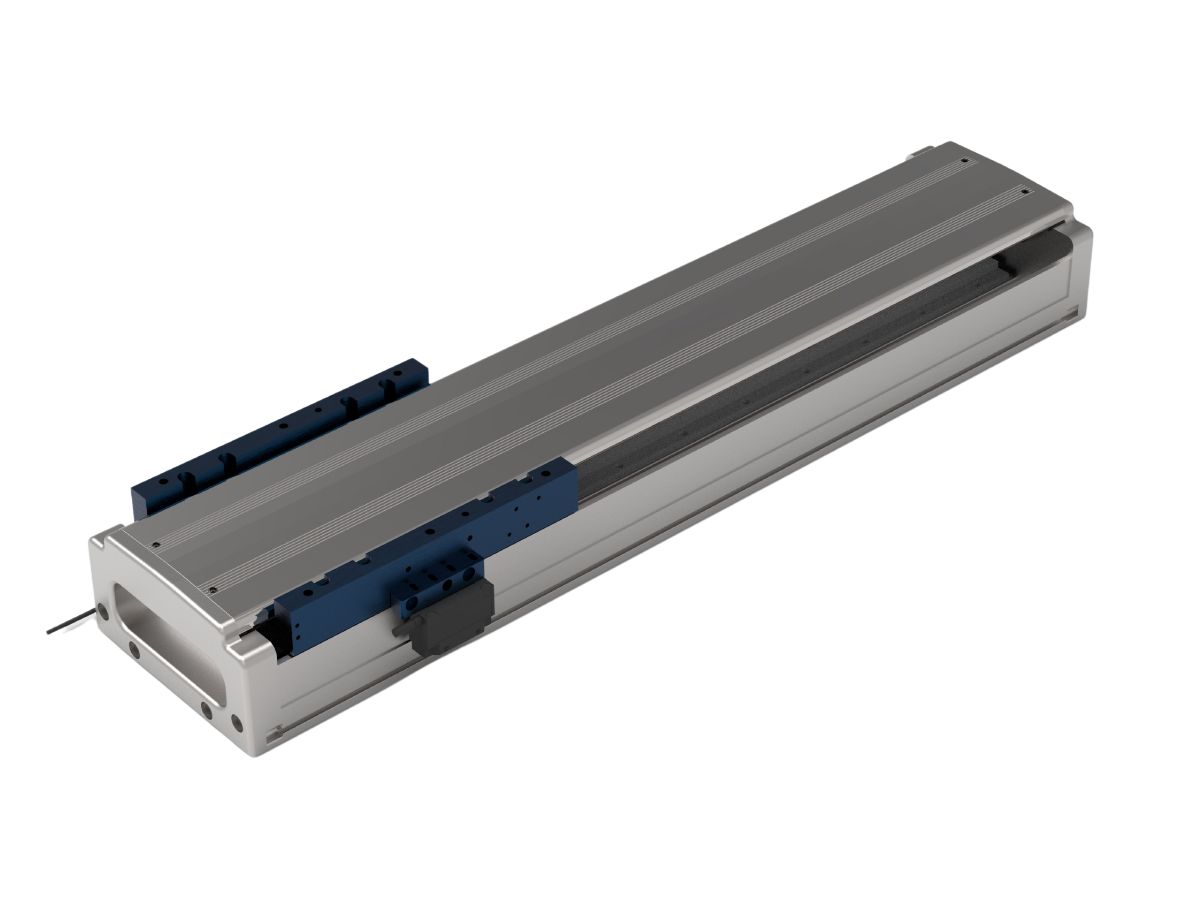
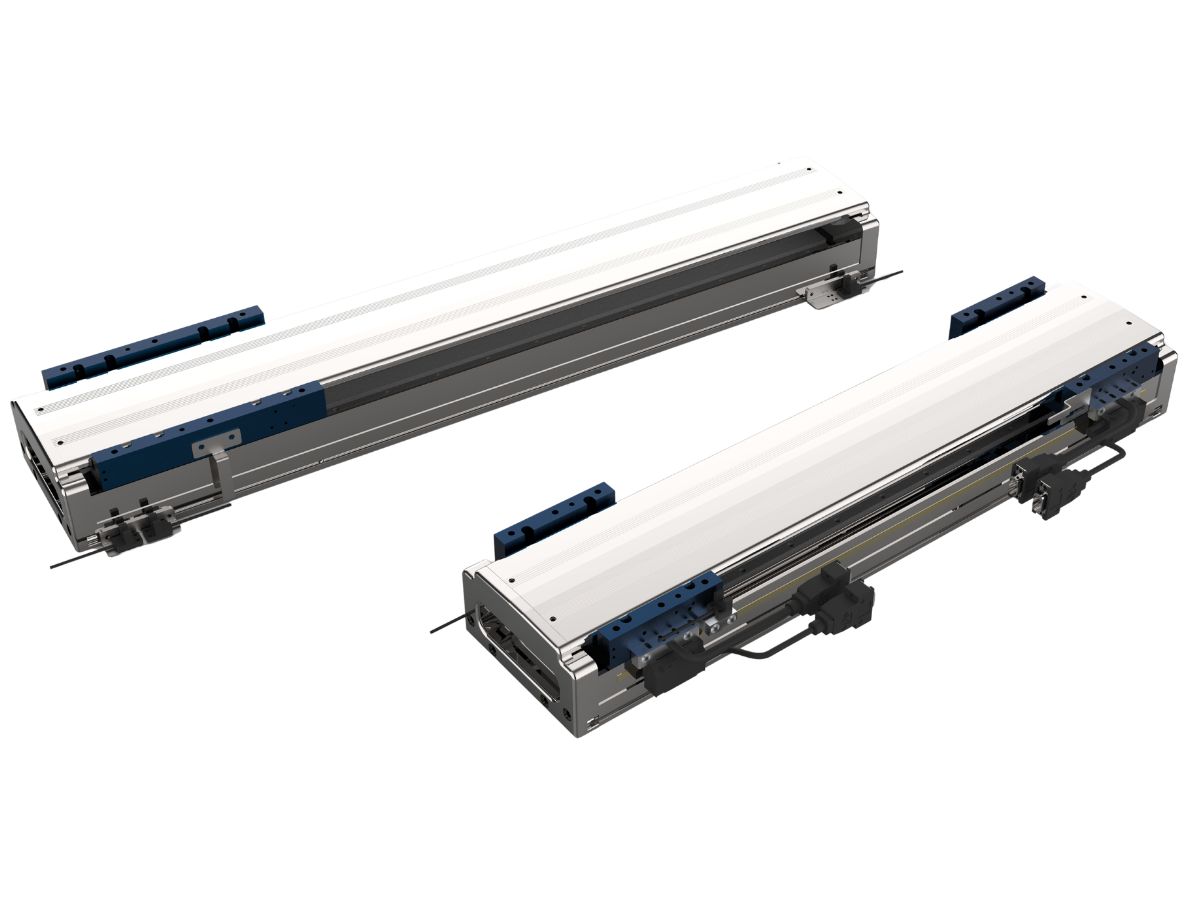
 Single-Axis Mechanical Motion Linear Motor Slide ActuatorThe TLSA-120-C1 Single-Axis Linear Motor Module, also known as a linear motor slide, linear actuator, or precision positioning stage, converts electrical energy directly into linear mechanical motion. By eliminating intermediate transmission mechanisms, it offers a simplified structure, long stroke, high acceleration, rapid response, and exceptional precision. Consequently, it is widely utilized in the semiconductor industry, new energy battery manufacturing, 3C electronics production, precision machining, inspection equipment, laser cutting and welding, dispensing and coating machines, CNC machine tools, and engraving machines.Details
 Customizable High Precision Linear Motor ModuleThe TLSA-140-C1 series is a high-precision, high-rigidity linear motor module with customizable lengths, suitable for precision automation, semiconductor equipment, industrial handling, and linear motion platforms. As a key transmission component in high-precision automation equipment, linear modules play an increasingly important role in the industrial automation field, helping companies achieve automated production, improve efficiency and quality, and reduce costs and error rates.Details
Frameless Torque Motor
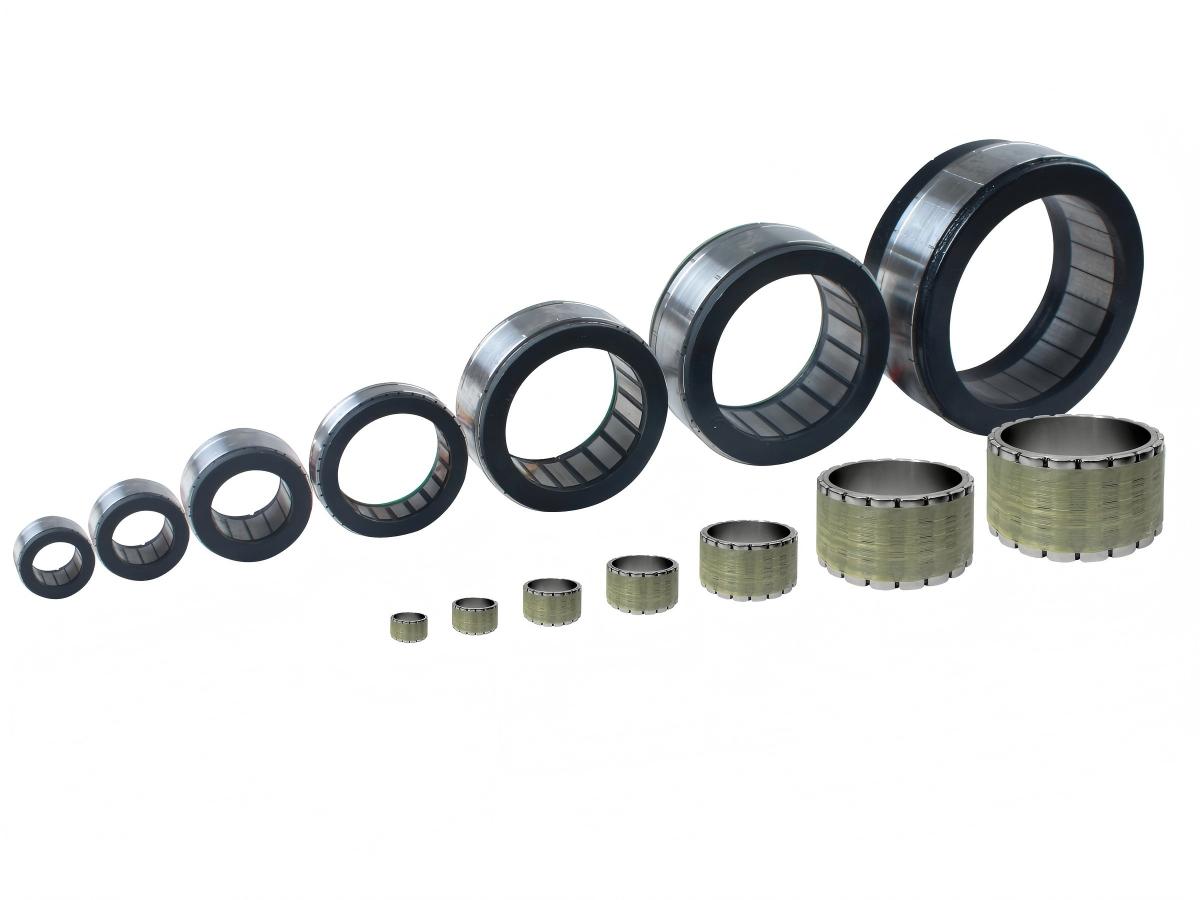
HONPINE Direct Drive Motors integrate high-performance frameless torque motors with precision engineering to deliver zero-backlash transmission, exceptional torque density, and ultra-precise motion control. Designed for robotics, semiconductor equipment, CNC rotary tables, medical devices, and other high-end automation systems, they provide outstanding positioning accuracy, rapid dynamic response, and high efficiency while eliminating the complexity and maintenance associated with traditional mechanical transmission systems.
 FM2 Robotic High Torque Density Frameless MotorsHONPINE FM2 Frameless Torque Motors for Robotics offer higher performance and more configuration options compared to the FM1 series, making them suitable for a wider range of applications. Motor losses are reduced by 20%, while torque output is increased by 10% compared to FM1 motors, resulting in extended operating endurance.
The FM2 series is available in six diameters ranging from φ50mm to φ127mm, with rated speeds from 1800 rpm to 5500 rpm, torque ranging from 0.36 Nm to 6.40 Nm, and power output from 207 W to 608 W. Rated voltages range from 24 V to 70 V. Optional configurations include Hall sensors, temperature sensors, and customizable lead wire options.These motors are widely used in collaborative robots, humanoid robots, quadruped robots, industrial robots, and medical rehabilitation robots.Details Motors") FM1 Cost Effective Frameless Brushless DC (BLDC) MotorsHONPINE FM1 Frameless Brushless DC (BLDC) Motors are compact, high-performance, and cost-effective products. Available in four sizes (φ50mm–φ115mm), with rated speeds ranging from 650 rpm to 5250 rpm, torque from 0.3 Nm to 9.32 Nm, and power from 165 W to 920 W. Rated voltages range from 24 V to 70 V, with optional Hall sensors, temperature sensors, and wiring configurations. They are widely used in collaborative robots, humanoid robots, quadruped robots, and medical rehabilitation robots.Details
FM1 Cost Effective Frameless Brushless DC (BLDC) MotorsHONPINE FM1 Frameless Brushless DC (BLDC) Motors are compact, high-performance, and cost-effective products. Available in four sizes (φ50mm–φ115mm), with rated speeds ranging from 650 rpm to 5250 rpm, torque from 0.3 Nm to 9.32 Nm, and power from 165 W to 920 W. Rated voltages range from 24 V to 70 V, with optional Hall sensors, temperature sensors, and wiring configurations. They are widely used in collaborative robots, humanoid robots, quadruped robots, and medical rehabilitation robots.Details FMK Highly Integrated Robot Joint Frameless Torque MotorsFrameless torque motors, unlike traditional servo motors, consist only of stator and rotor components. Compared to framed motors, frameless motors offer flexible configuration and easy installation. Considering the increasing trend of highly integrated drive systems, frameless motors better meet the expectations of engineers. Engineers no longer need to consider motor interfaces in system design, allowing for maximum reduction of space occupied by the power output unit in the drive system, leading to higher system integration.The HONPINE FMK frameless torque motors are now widely used in the J1–J6 joints of collaborative and dual-arm robots, the walking joints of quadruped robots, and the flexible joints of humanoid robots.Details
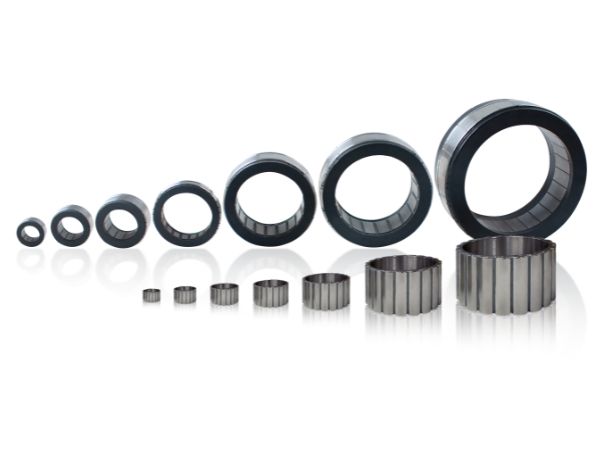
 Compact Lightweight High Power Density Internal Rotor Frameless Torque MotorThe internal rotor frameless torque motor is a specialized type of permanent magnet synchronous motor (PMSM) composed of two core components: the rotor and stator. The rotor is internally positioned, while the stator is externally mounted. Its innovative design eliminates traditional motor housings, bearings, and shafts, retaining only the rotor and stator assemblies. The rotor typically adopts a ring-shaped structure integrated with permanent magnets, directly mounted on the load shaft. The stator consists of copper windings and laminations, generating electromagnetic forces to drive rotor rotation. This configuration achieves torque output through efficient magnetic field interaction, making it ideal for high-precision applications such as robotic joints and industrial automation. It enables direct load driving, minimizing mechanical transmission losses.Details
Application of Direct Drive Motor
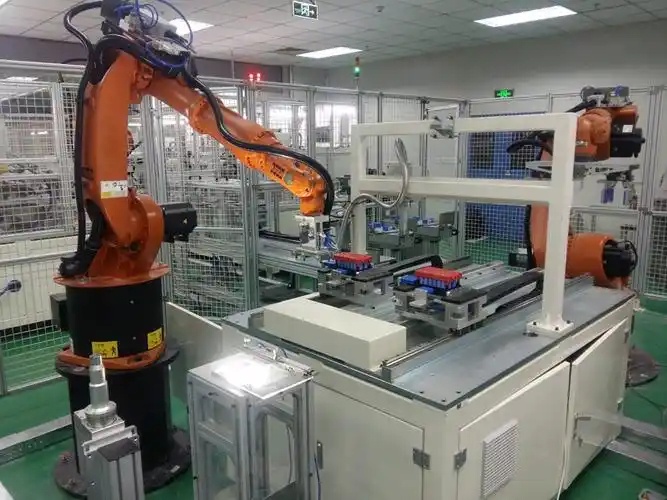
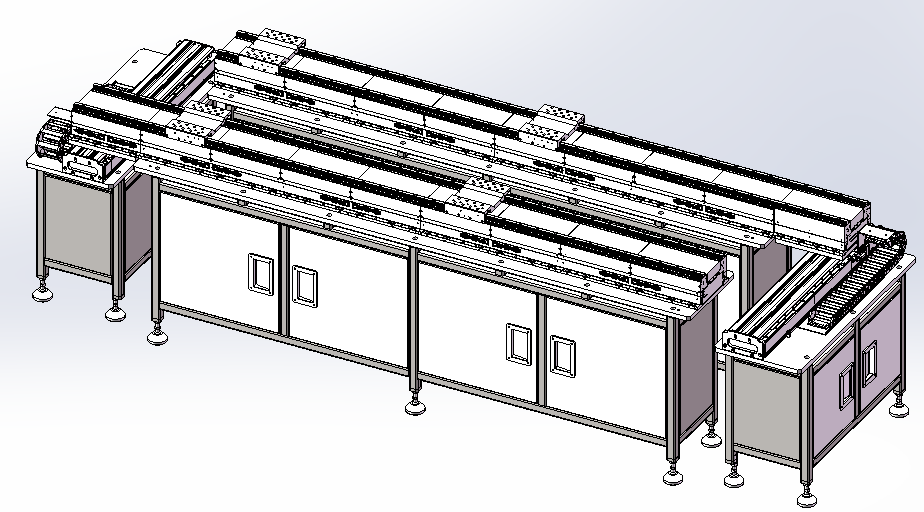
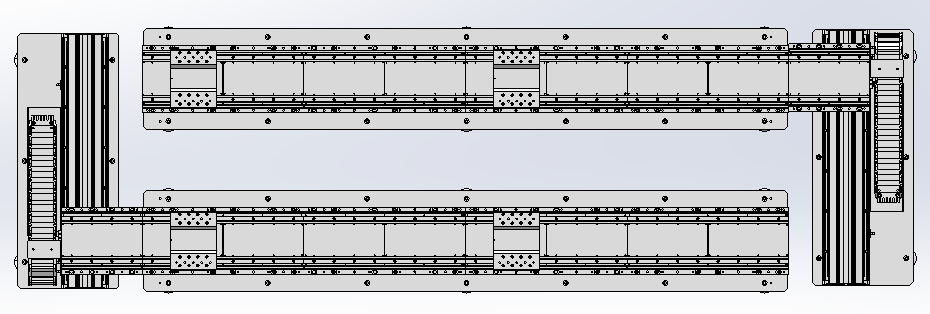
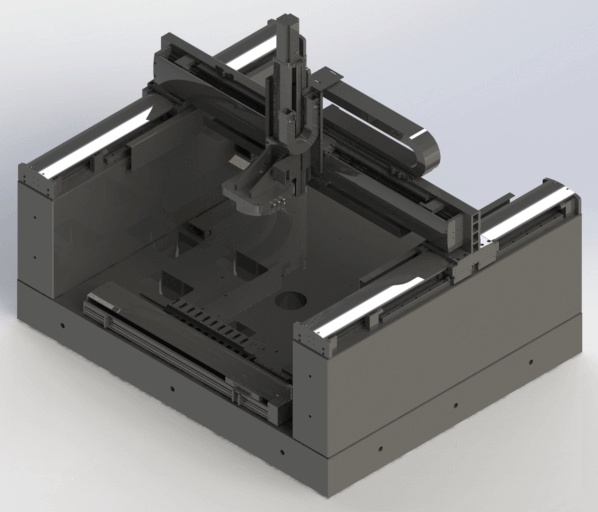
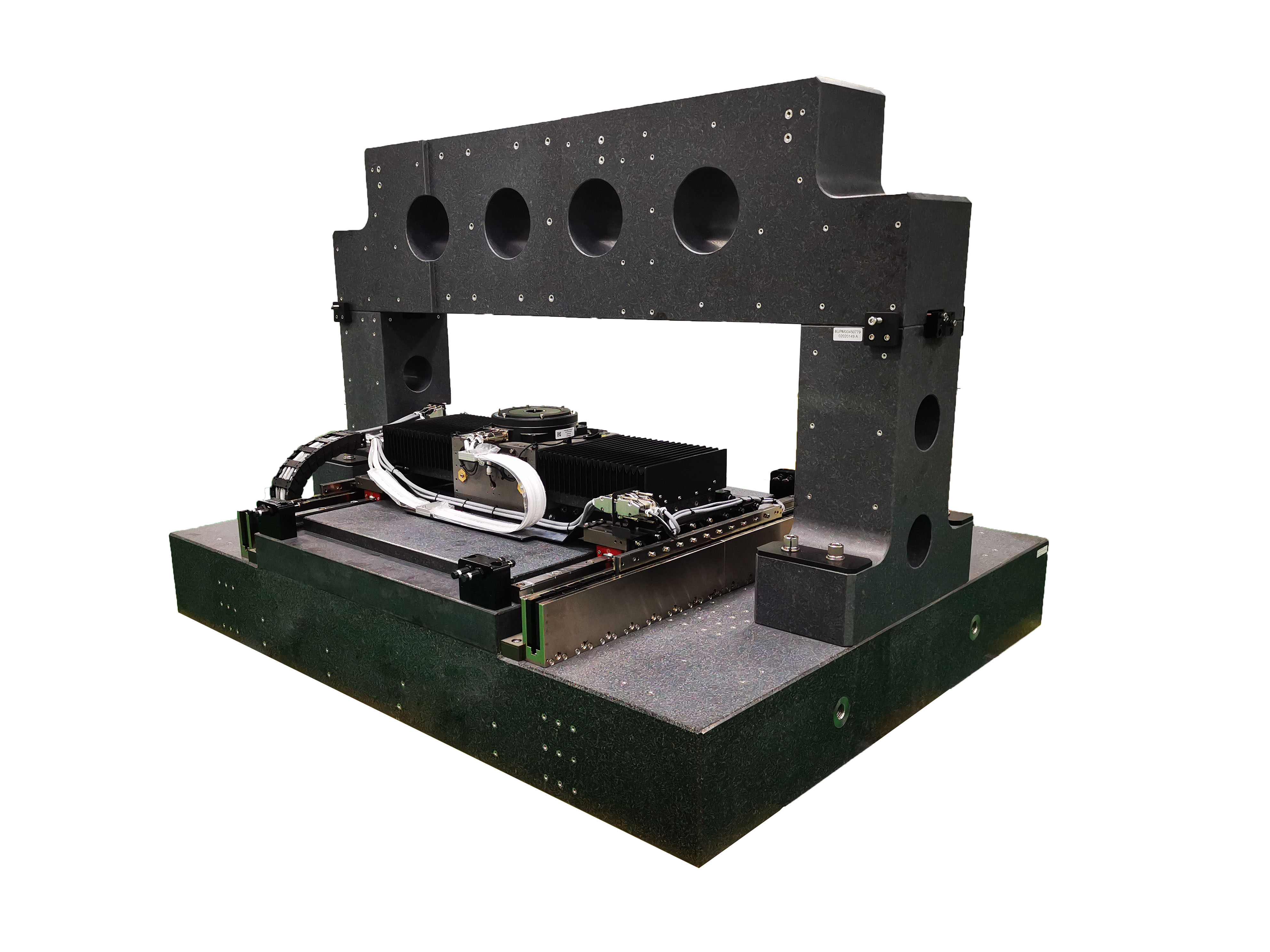
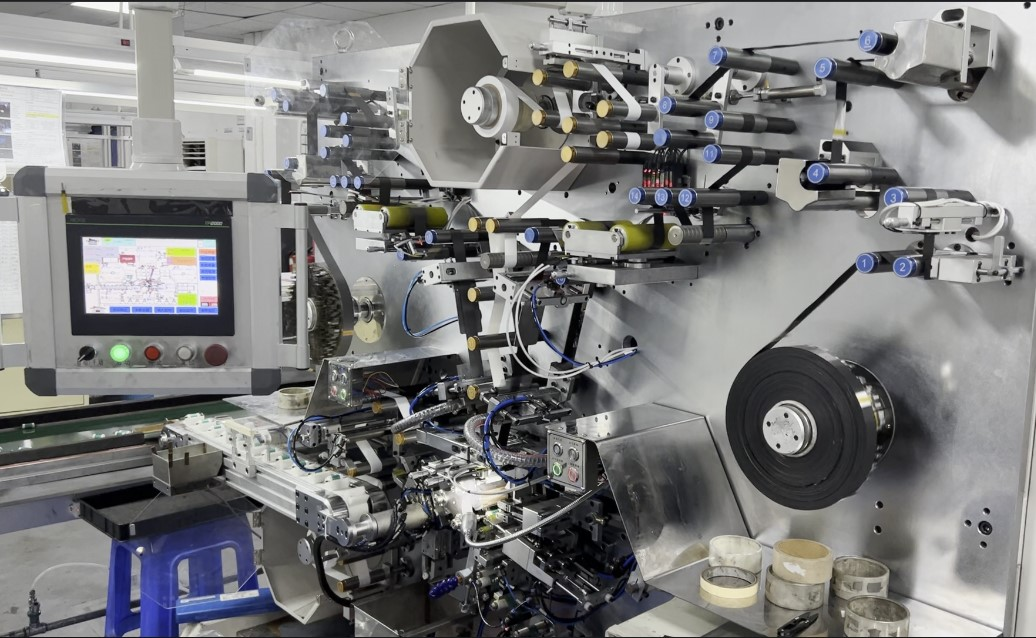
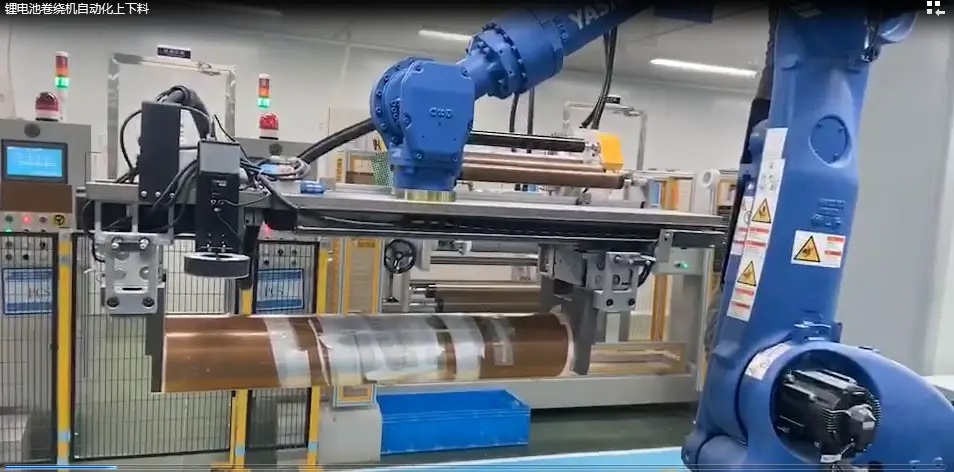
Direct drive motors, characterized by low speed, high torque, and fast response, are commonly used in semiconductor and electronics manufacturing equipment, precision machine tools and machining, industrial automation and robotics, medical equipment, and new energy equipment. For more solutions and product information, please contact HONPINE.
‹
›
Advantages of Direct Drive DD Motor
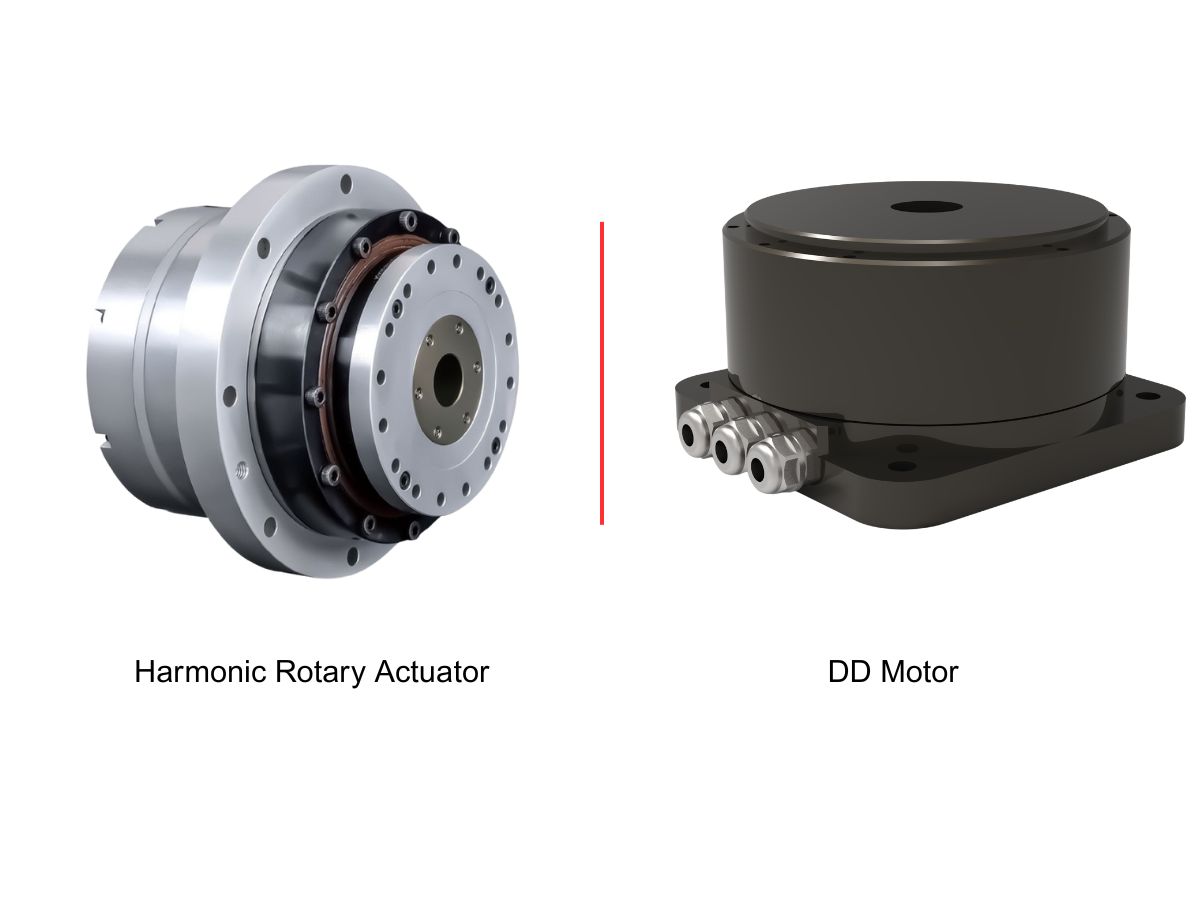
Direct Drive Motors connect the motor directly to the load without a gearbox, delivering zero backlash, fast response, high rigidity, high positioning accuracy, and low maintenance. Compared with harmonic rotary actuators, direct drive motors eliminate gear wear and accuracy degradation, making them an ideal high-performance motion solution for semiconductor equipment, robotics, automation systems, and precision manufacturing applications.
Superior Dynamic Performance
Achieves up to 5G acceleration and 1200 cycles/min, ensuring maximum throughput for high-speed automated processes.
Wear-Free Reliability
Zero transmission chain" design eliminates mechanical friction, guaranteeing 365 days of maintenance-free operation.
Micron-Level Accuracy
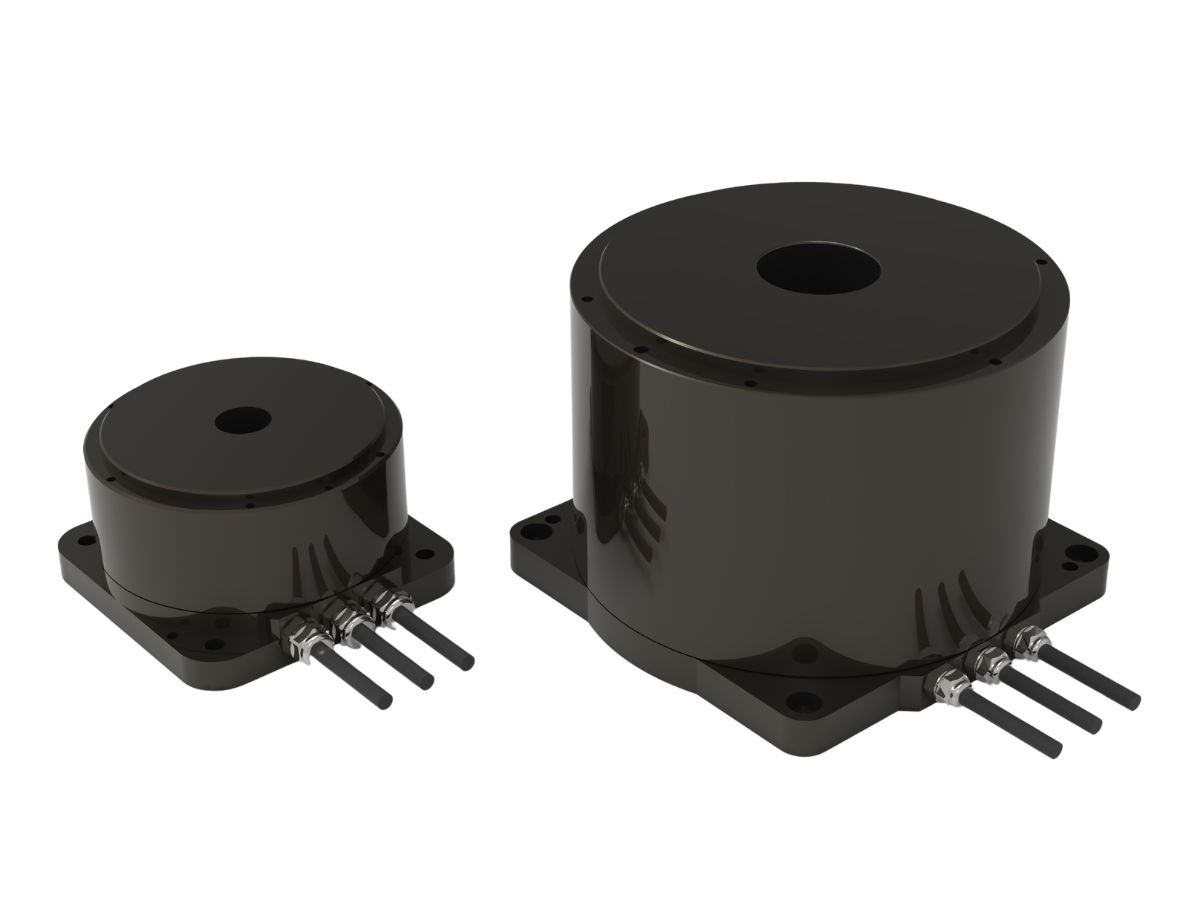
Features true zero-backlash, full closed-loop control, and ± 1 arc-second repeatability for ultra-precise positioning.
Compact & Simplified Integration
Direct-drive architecture eliminates complex mechanical components, drastically reducing system footprint and simplifying assembly.
Direct Drive Motor-FAQ
Have questions about Honpine Direct Drive Motors? Contact our team for more product details, technical specifications, and customized solutions.
Yes. HONPINE provides customized solutions for mounting dimensions, hollow shaft diameters, encoder types, holding brakes, cooling methods, protection ratings, and electrical interfaces. Our engineering team works closely with customers to optimize motor performance for specific machine designs and operating conditions.
HONPINE Direct Drive Motors are widely used in semiconductor manufacturing, precision CNC machines, optical inspection equipment, lithium battery production, photovoltaic automation, medical devices, aerospace systems, robotics, and high-speed industrial automation where zero backlash and high positioning accuracy are essential.
Selecting the right Direct Drive Motor requires evaluating continuous torque, peak torque, maximum speed, load inertia, encoder resolution, positioning accuracy, hollow shaft size, and installation space. Providing your application details allows HONPINE engineers to recommend the most suitable motor and optimize system performance.
Linear modules can be installed in three main ways: horizontal, inverted, and side-mounted. In addition, if a load-balancing device is installed, the linear module can also be mounted vertically.
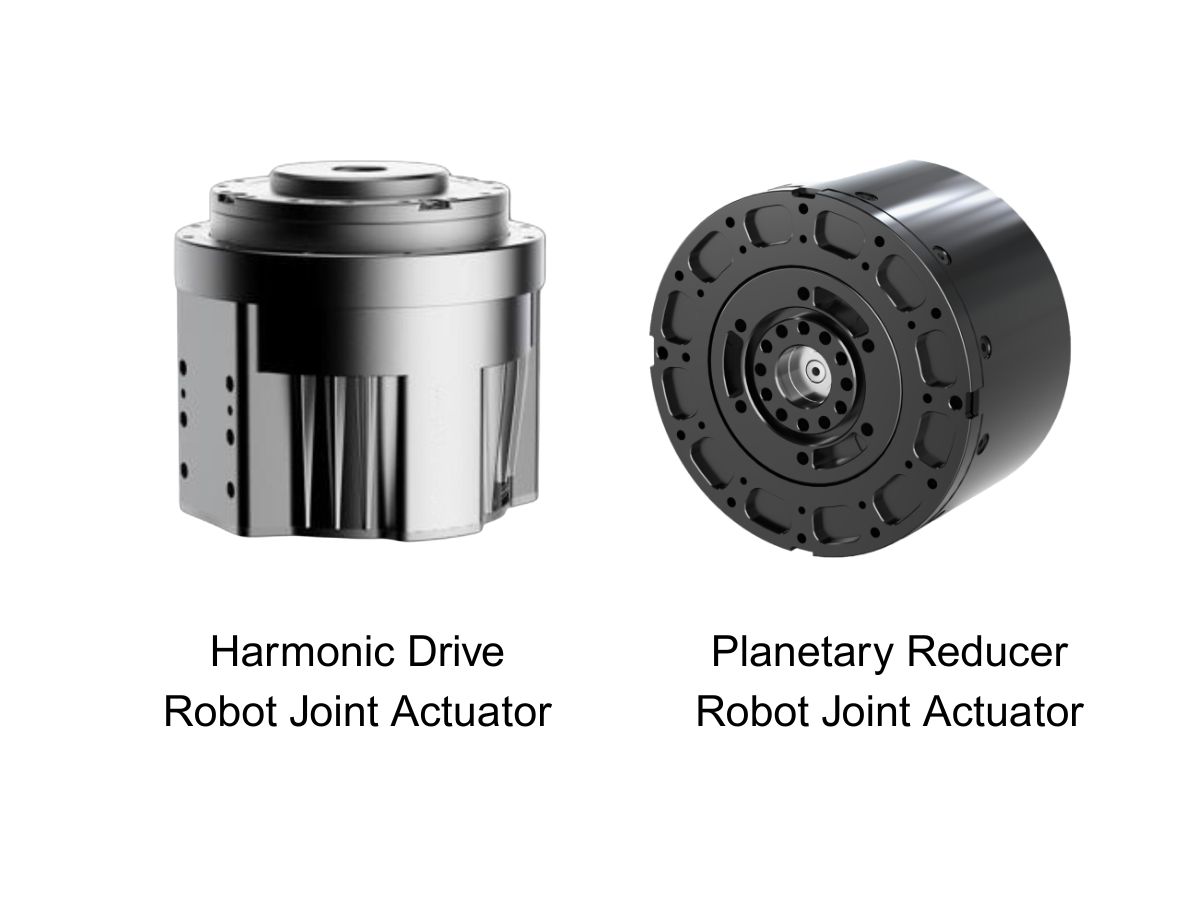
The choice depends on your performance requirements. Direct Drive Motors provide zero backlash, exceptional stiffness, and ultra-high positioning accuracy for precision rotary motion. Harmonic Drive Actuators deliver much higher torque density in a compact package, making them ideal for robotic joints and motion systems that require high reduction ratios. HONPINE offers both technologies and can help determine the best solution for your application.
DD motors can also be installed in three main ways: horizontal, inverted, and side-mounted.
For side-mounted installation, it is important to consider whether the load distribution is uniform. When the load moves to different positions, the torque caused by the center of gravity can affect the DD motor torque. If necessary, a brake can be installed.
Every HONPINE Direct Drive Motor undergoes comprehensive quality verification before delivery. Electrical performance, torque output, efficiency, temperature rise, and positioning accuracy are tested using professional laboratory equipment. Performance curves and inspection data are generated automatically, ensuring every motor meets the published specifications and delivers consistent performance in demanding industrial environments.
The protection rating for linear motors and DD motors is typically IP40 or IP20. Higher protection levels require customization. Additionally, the installation environment should be clean, free of iron filings, and away from magnetizable particles.
Linear modules and DD motors are generally used in high-precision applications. Maximum torque can be used for short-term load acceleration or deceleration, usually less than 1 second. Continuous torque is used for long-term load operation.
According to
F=ma and F=μmg, for the same acceleration and friction coefficient, the mass m of the load affects the thrust requirement of a linear module.
According to T=Iα, for the same angular acceleration, the rotational inertia of the load affects the torque requirement of a DD motor. Therefore, the closer the load is distributed to the rotational axis, the smaller the rotational inertia, and the lower the required torque.
For DD motors of similar size:
Inner-rotor DD motors have smaller rotational inertia and are generally used for small-load inertia, high-speed, and high-acceleration applications.
Outer-rotor DD motors have larger rotational inertia and are generally used for large-load inertia, medium-speed, and medium-acceleration applications.
In most cases, as long as the torque and speed are sufficient, inner-rotor and outer-rotor DD motors can be interchanged.
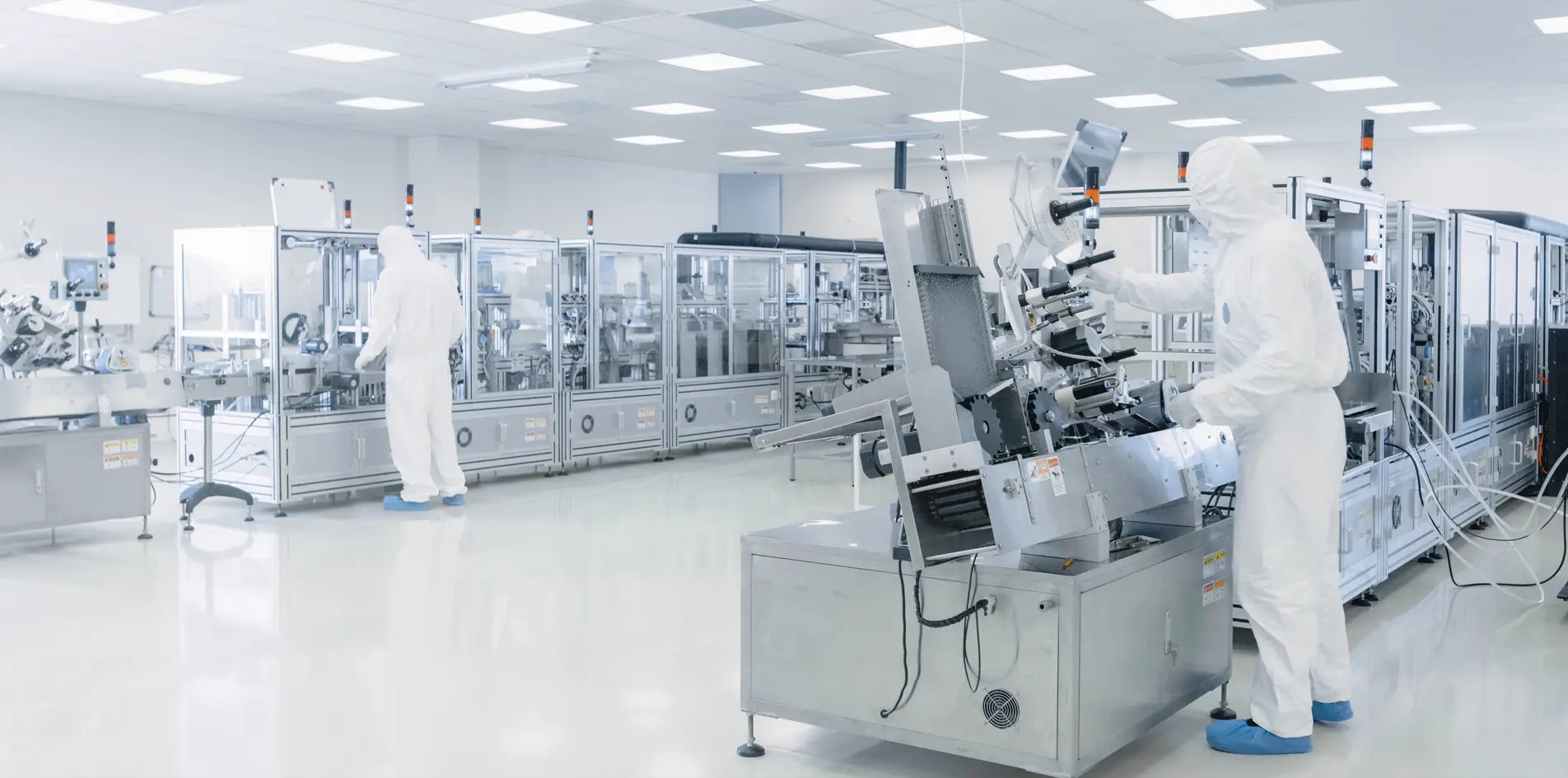
Yes, linear motors and DD motors can be used in cleanrooms. Many semiconductor applications already use linear motors. For example, in wafer fabrication plants, high-precision lithography machines are placed in Class 10 cleanrooms, and linear motors are applied in multi-axis positioning stages to achieve sub-micron accuracy with nanometer resolution.
A Direct Drive (DD) Motor is a precision rotary motor that drives the load directly without a gearbox, belt, or other mechanical transmission components. By eliminating mechanical backlash, DD motors deliver higher positioning accuracy, faster response, greater stiffness, and lower maintenance than conventional servo motor systems. HONPINE Direct Drive Motors are designed for applications requiring ultra-precise rotary motion, including semiconductor equipment, CNC rotary tables, optical inspection systems, medical devices, and industrial automation.
Every HONPINE Direct Drive Motor is validated with real laboratory testing rather than theoretical calculations. Using high-precision power analyzers and laser interferometers, we verify torque, speed, efficiency, temperature rise, positioning accuracy, repeatability, and angular accuracy before shipment. Complete performance curves and test reports ensure reliable and transparent product performance.
Compared with conventional servo motors and gearboxes, Direct Drive Motors eliminate mechanical transmission, resulting in zero backlash, higher positioning accuracy, faster acceleration, quieter operation, and lower maintenance. Their compact design also improves machine integration and simplifies cable routing, making them ideal for high-end automation and precision manufacturing.
Inner rotor motors offer lower rotor inertia and faster dynamic response, making them suitable for high-speed, lightweight applications. Outer rotor motors provide a larger effective radius and higher torque density, making them better suited for heavy loads and high-inertia rotary systems. HONPINE engineers can recommend the optimal configuration based on your torque, speed, and load requirements.
Positioning accuracy depends on the encoder resolution and application requirements. Every HONPINE Direct Drive Motor undergoes laser interferometer testing through a full 0°–360° rotation to verify angular accuracy, positioning accuracy, repeatability, and bidirectional positioning error. All published specifications are based on actual laboratory measurements.
- 00
0000-00
What is robot joint actuator?How to Choose the Best Robot Rotary Joint Actuator?
- 00
0000-00
DD Motors VS Harmonic Rotary Actuators
- 00
0000-00
OMG Ultra Compact Harmonic Drive Joint Module with Built-in Torque Sensor
- 00
0000-00
What Is the Difference Between a Harmonic Drive Reducer and a Harmonic Rotary Actuator?
- 00
0000-00
Why Choose an Integrated Harmonic Drive Actuator? Benefits, Features and Applications