

Why Are More Robots Moving Away from Traditional Drive Systems to Integrated Hub Servo Motors?
As mobile robots evolve from traditional fixed-path material handling systems toward autonomous navigation, flexible operations, and mobility in complex environments, their drive systems are also undergoing an important transformation.
AGVs, AMRs, mobile manipulators, humanoid robots, and specialized mobile equipment are placing increasingly demanding requirements on space utilization, motion accuracy, and control flexibility. Against this background, hub servo motors are becoming an important development direction for modern robotic drive systems.
By integrating key drive components into the wheel assembly, hub servo motors offer a more compact approach to power transmission and motion control. They help simplify mechanical layouts, reduce external transmission components, and provide greater flexibility in mobile robot chassis design.
What Is a Hub Servo Motor for Robots?
A hub servo motor is a drive unit that closely integrates the motor and wheel structure. Depending on the specific design, it may incorporate a servo motor, reduction mechanism, encoder, brake, and drive controller, allowing power to be transmitted directly to the wheel or through an internal reduction mechanism.
Compared with traditional distributed drive systems, an integrated hub motor reduces the number of external transmission components and creates a more compact power layout within the robot chassis.
It is important to distinguish between several related types of products:
Hub Direct-Drive Motor: The motor drives the wheel directly without relying on an external reduction gearbox.
Hub Geared Motor: The motor and reduction mechanism are integrated within the wheel assembly.
Integrated Servo Drive Wheel: In addition to the motor and mechanical drive components, this type of unit may further integrate encoders, a servo drive, and a braking system.
The adoption of integrated robotic hub motors is helping mobile robots move away from traditional drive arrangements that combine separate motors, gearboxes, couplings, and drive wheels.
By integrating these components into a more compact unit, manufacturers can reduce mechanical transmission connections, improve structural integration, enhance wheel motion control, and simplify chassis installation and electrical connections.
Why Choose Hub Motors Based on the Key Performance Requirements of Mobile Robots?
Selecting a drive system for a mobile robot requires more than simply considering motor power. Payload capacity, travel speed, positioning accuracy, gradeability, maneuverability, and energy efficiency all influence the overall performance of the robot.
Hub servo motors offer several potential advantages in addressing these requirements.
1. Payload Capacity
Mobile robots must maintain stable driving performance under different payload conditions.
As AGVs and AMRs evolve from light-duty material handling toward medium- and heavy-duty industrial transportation, their drive systems must support not only higher payloads but also reliable operation during fully loaded starts, turns, and uphill travel.
Traditional distributed drive systems require separate installation of the motor, gearbox, and transmission components. An integrated hub motor concentrates the drive assembly closer to the wheel, providing a more compact power layout.
Why choose hub motors?
Optimized Drive Layout: Reducing external transmission components creates more design space for the chassis structure and battery arrangement.
Support for Independent Multi-Wheel Drive: Different numbers of drive wheels can be configured according to the robot's weight distribution and chassis design.
Flexible Matching for Different Payload Classes: Different wheel drive module specifications can be selected to develop light-duty, medium-duty, and heavy-duty mobile robots.
It is important to note that a hub motor does not automatically increase a robot's payload capacity. Actual load-bearing capability depends on the wheel, bearings, hub structure, chassis design, wheel-end torque, and load distribution.
2. Travel Speed
Mobile robots need to improve transportation efficiency while maintaining stable operation, smooth acceleration, and controlled deceleration.
For warehouse AMRs and production-line AGVs, travel speed affects not only the duration of individual transport tasks but also the overall throughput of the material handling system.
Why choose hub servo motors?
Independent Speed Control: Each driven wheel can be regulated according to the robot's motion commands.
Fewer External Transmission Components: Reducing mechanical connections can help minimize certain sources of backlash and assembly errors.
Improved Dynamic Response: Servo control combined with encoder feedback allows more precise management of starting, acceleration, and deceleration.
Coordinated Multi-Wheel Operation: Multiple drive wheels can work together through motion control algorithms to maintain coordinated speeds.
The key benefit is not simply achieving a higher maximum speed. It is enabling the robot to maintain stable and controllable motion across different operating speed ranges.
3. Positioning Accuracy
Mobile robots need to reach target positions accurately and dock with production lines, robotic arms, conveyor systems, and automated workstations.
For example, when an AMR delivers materials to a CNC machine for automated loading and unloading, it must not only reach the designated stopping position but also maintain a stable chassis orientation.
Why choose hub servo motors?
Wheel-End Closed-Loop Feedback: Encoders provide wheel speed or position feedback for motion control.
Reduced Mechanical Transmission Errors: An integrated structure can eliminate some external mechanical connections and the associated backlash.
Improved Low-Speed Control: Servo control helps achieve smoother movement when approaching a target position.
Multi-Wheel Synchronization: Coordinated wheel control helps reduce motion deviations caused by inconsistent left and right wheel speeds.
It is important to understand that wheel-end encoder feedback does not directly guarantee the absolute positioning accuracy of the entire robot. Wheel slippage, floor conditions, navigation systems, and chassis rigidity also influence the final positioning performance.
4. Gradeability
Mobile robots often need to travel across ramps, floor joints, and work areas at different elevations.
When a fully loaded robot travels uphill, its drive wheels must overcome the gravitational force acting along the slope, as well as rolling resistance and acceleration resistance.
Why choose hub motors?
Wheel-End Power Matching: Motors and reduction mechanisms can be selected according to wheel diameter, target speed, and required climbing gradient.
Independent Drive Control: Multiple drive wheels can coordinate their torque output to provide traction.
Improved Starting Control: Servo closed-loop control helps achieve smoother starts on inclined surfaces.
Integrated Braking Options: Certain hub drive modules can incorporate spring-applied, electrically released brakes to support specific parking and holding requirements on slopes.
For heavy-duty AGVs in particular, selecting a drive system based only on peak torque is insufficient. Continuous output torque, gearbox load capacity, and thermal management must also be evaluated.
5. Maneuverability
Mobile robots must adapt to narrow aisles, complex routes, and different directional movement requirements.
This is one of the most important application advantages of hub drive systems.
Different hub drive configurations support different types of robot movement:
Why choose hub motors?
Reduce external transmission mechanisms and optimize chassis layout.
Improve wheel control flexibility through independent drive configurations.
Enable active steering when combined with steering drive wheel designs.
Support different drive configurations according to the robot's mobility requirements.
The choice of drive configuration should be based on the required motion characteristics, chassis geometry, and control strategy rather than simply the level of integration.
6. Battery Life and Energy Efficiency
Mobile robots need to complete more transportation tasks with limited battery capacity while reducing charging frequency and operational downtime.
Why choose hub motors?
Reduced Mechanical Transmission Losses: A properly designed integrated drive system can reduce losses associated with certain external transmission components.
Optimized Power Matching: Motors and reduction ratios can be selected according to robot payload, travel speed, and operating conditions.
Independent Drive Control: Wheel output can be distributed according to actual motion requirements.
Improved Energy Management: When combined with servo drives and the overall robot control system, hub motors can support more effective acceleration, deceleration, and regenerative braking strategies.
However, hub motors are not necessarily more energy-efficient than every traditional drive system. Overall energy consumption depends on motor efficiency, gearbox efficiency, drive controller performance, tire rolling resistance, and motion control strategies.
How Do HONPINE's Three Hub Motor Series Change the Way Mobile Robots Move?
HONPINE offers three main wheel drive product series: Drive Wheels, Steering Drive Wheels, and Differential Drive Wheels.
Each series addresses different drive and mobility requirements. Rather than simply providing different types of motors, these products offer mobile robot manufacturers different approaches to chassis drive configuration, steering control, and motion flexibility.
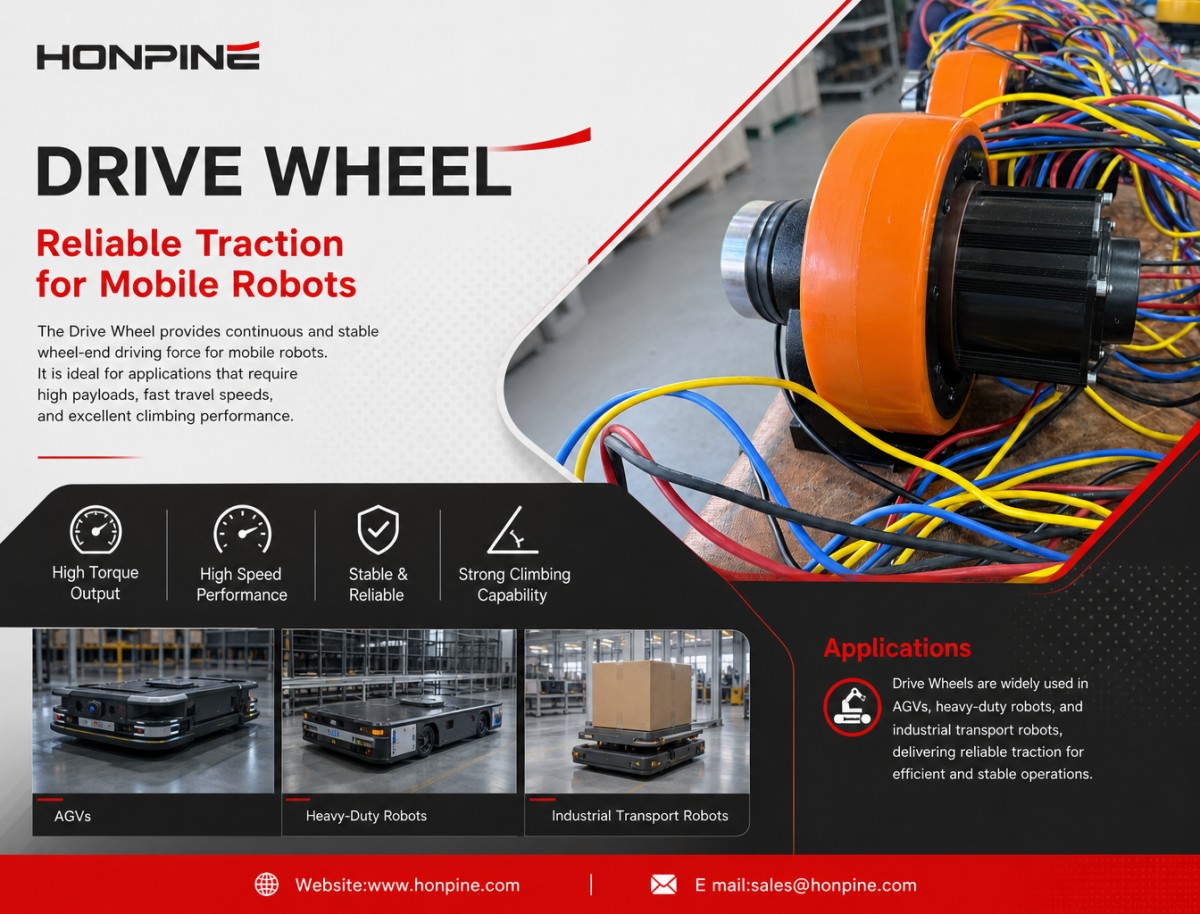
1. Drive Wheel: Reliable Traction for Mobile Robots
The main function of a Drive Wheel is to provide continuous and stable wheel-end driving force for mobile robots.
It is generally installed in a fixed orientation and drives the vehicle forward or backward. Steering is handled by other wheels, a separate steering mechanism, or the overall chassis structure.
For mobile robots, higher payloads, faster travel speeds, and uphill operation place greater demands on wheel-end torque, rotational speed, and continuous operating capability.
When selecting a Drive Wheel, manufacturers should consider the robot's total weight, wheel load distribution, wheel diameter, ground friction coefficient, travel speed, and required climbing gradient.
Applications and functions:
Standard AGVs: For fixed-route transportation or relatively simple material handling tasks, Drive Wheels provide reliable traction. Fixed drive wheels combined with passive wheels or a separate steering mechanism can offer a relatively straightforward chassis design.
Heavy-Duty AGVs: When transporting molds, industrial equipment, pallets, or large materials, drive wheels must provide sufficient wheel-end torque while handling the corresponding loads and impact forces. Multiple drive wheels can be configured to distribute traction according to the chassis layout.
Industrial Transport Robots: For long-distance and repetitive material transportation within factories, Drive Wheels can serve as standardized drive units, helping equipment manufacturers simplify chassis drive system design.
The core value of the Drive Wheel is to provide reliable basic traction for mobile robots, especially in applications where travel routes are relatively defined and steering is handled by other mechanisms.
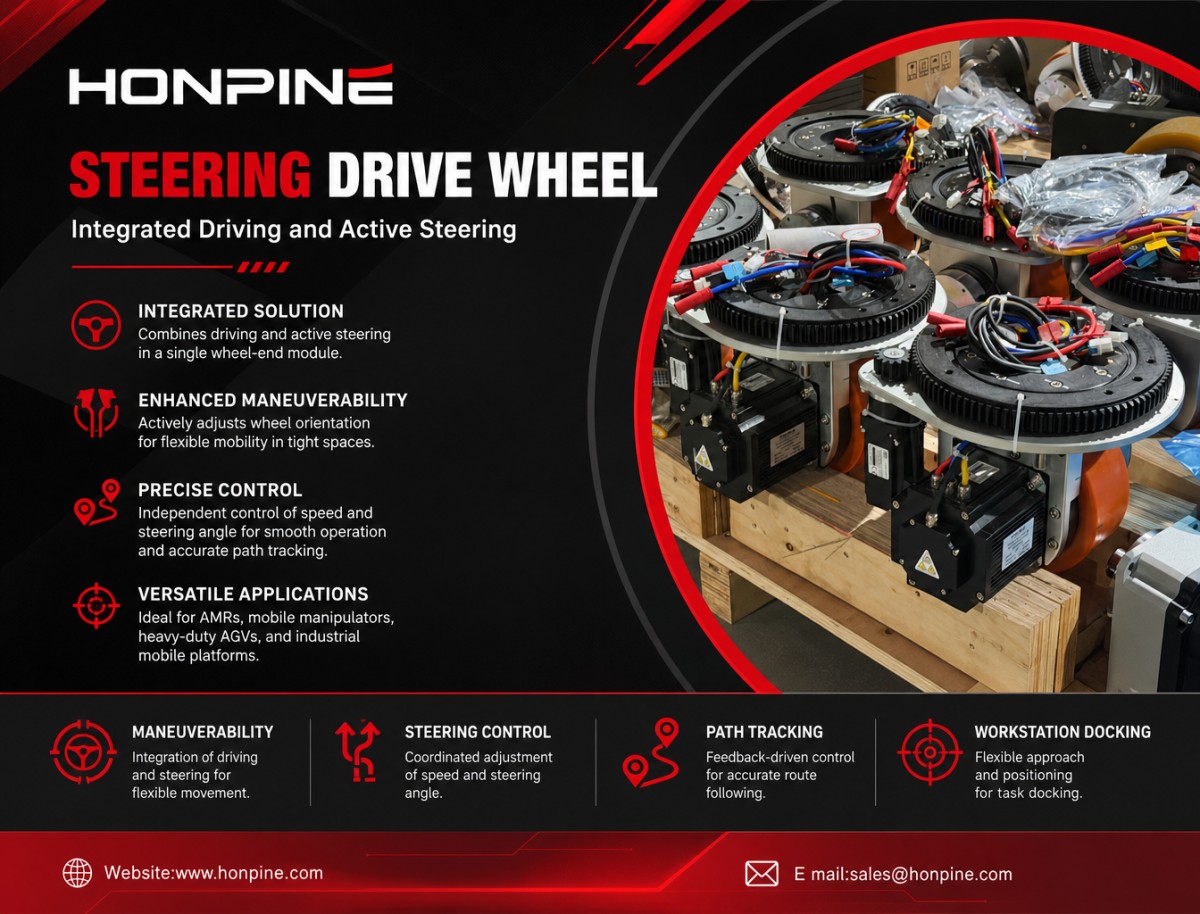
2. Steering Drive Wheel: Integrated Driving and Active Steering
A Steering Drive Wheel integrates driving and active steering functions into a single wheel-end module.
Unlike a fixed-direction Drive Wheel, it can not only control wheel rotational speed but also actively adjust the wheel's orientation.
This allows mobile robots to change their wheel direction according to the planned route without relying entirely on traditional mechanical steering linkages.
For equipment that frequently changes direction, operates in narrow spaces, or needs to dock with specific workstations, steering drive wheel configurations offer greater flexibility in chassis design and motion control.
Applications and functions:
AMRs: In warehouses, logistics centers, and production facilities, AMRs frequently need to avoid obstacles, change direction, and enter different operating areas. Steering Drive Wheels can actively adjust wheel orientation, providing greater flexibility for route execution and steering control.
Mobile Manipulators: When a mobile robot carries a robotic arm and needs to move between workstations for loading, unloading, inspection, or assembly, Steering Drive Wheels help adjust the chassis travel direction and approach angle, improving the flexibility of workstation access.
Heavy-Duty AGVs: For vehicles transporting large molds, industrial equipment, or heavy materials, multiple steering drive wheels can be configured according to the chassis structure to support different steering movements, particularly in environments with limited turning space.
Large Industrial Mobile Platforms: When equipment needs to maneuver through narrow aisles, adjust its chassis orientation, or perform multi-directional movements, active steering provides additional flexibility in chassis motion design.
Which performance parameters can they improve?
Maneuverability: Integrated driving and steering allow the wheel orientation to change according to chassis control commands, supporting different movement paths.
Steering Control: Drive speed and steering angle can be controlled separately, allowing coordinated adjustment of vehicle speed and steering movements.
Path Tracking: Steering angle feedback combined with drive speed control helps the chassis follow planned routes more effectively.
Workstation Docking: For applications requiring adjustments to the approach direction, steering drive wheel configurations provide greater flexibility in chassis positioning.
The core value of the Steering Drive Wheel is to integrate driving and active steering, providing a drive solution for mobile robots that require flexible steering, route adjustments, and workstation docking.
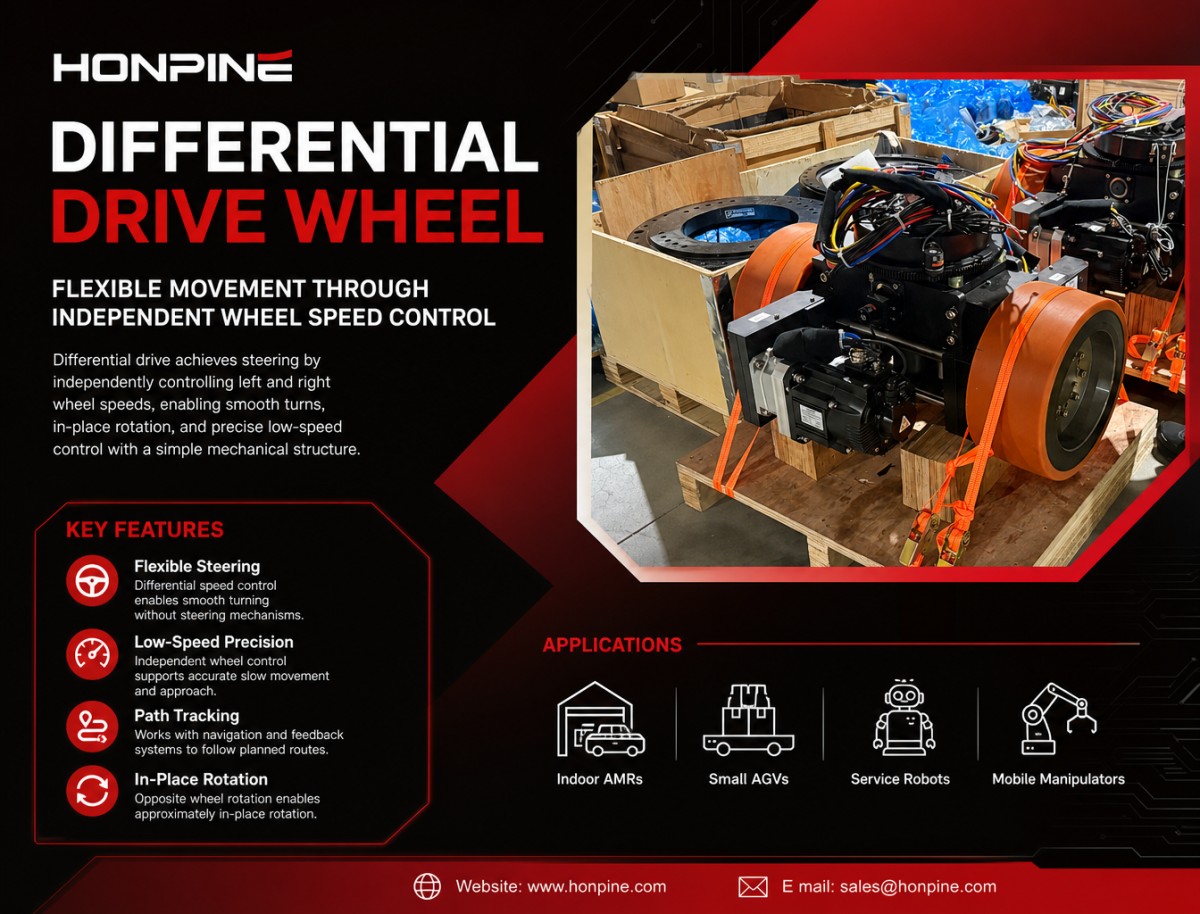
3. Differential Drive Wheel: Flexible Movement Through Independent Wheel Speed Control
Differential Drive Wheels are primarily used in differential drive chassis configurations.
The basic principle is to independently control the speeds of the left and right drive wheels, allowing the robot to generate different movement trajectories.
When both wheels rotate forward at the same speed, the robot generally travels in a straight line. When the wheel speeds differ, the robot turns toward the slower-moving wheel. When the wheels rotate in opposite directions, a suitable chassis configuration can enable the robot to rotate approximately around its center.
Unlike a Steering Drive Wheel, which changes the physical orientation of the wheel, differential drive achieves steering primarily through differences in wheel speed. This allows a relatively simple mechanical chassis structure.
Applications and functions:
Indoor AMRs: In warehouse operations, factory logistics, and material delivery applications, a two-wheel differential drive chassis can move forward, turn, and rotate in place by controlling the left and right wheel speeds independently. This is suitable for indoor environments with narrow aisles and frequent direction changes.
Small AGVs: For transportation equipment with relatively straightforward movement routes and clearly defined steering requirements, differential drive can reduce the need for complex mechanical steering structures and simplify chassis design.
Service Robots: In hospitals, laboratories, and office environments, robots often need to travel at low speeds, avoid obstacles, and perform tight turns. Differential drive provides a flexible motion control approach for these applications.
Mobile Manipulators: For mobile manipulation platforms using differential drive chassis, independent left and right wheel control helps achieve low-speed approach movements, directional adjustments, and path tracking. Final docking accuracy still depends on navigation, sensors, and the overall robot control system.
Which performance parameters can they improve?
Maneuverability: Different left and right wheel speeds enable turning without requiring an additional active steering mechanism.
Low-Speed Control: Precise adjustment of the two wheel speeds supports slow travel, gradual turning, and controlled approach movements.
Path Tracking: Combined with wheel speed feedback, navigation systems, and motion control algorithms, differential drive helps robots follow planned routes.
In-Place Rotation: In a typical two-wheel differential drive chassis, rotating the left and right wheels in opposite directions allows the robot to rotate approximately around its center.
However, differential drive also has certain limitations. Wheel slippage, changes in floor friction, and differences in left and right wheel speeds can affect path tracking performance. In addition, a conventional two-wheel differential drive system cannot directly provide true lateral movement.
The core value of Differential Drive Wheels is to achieve flexible steering and low-speed motion control through independent wheel speed regulation and a relatively simple mechanical structure. They are particularly suitable for indoor AMRs and small- to medium-sized mobile robots.
Why Choose HONPINE Robot Hub Motors?
HONPINE develops its own drive systems and offers three main hub motor product series: Drive Wheels, Differential Drive Wheels, and Steering Drive Wheels.
These products are designed to address different mobile robot drive and steering requirements and have been applied in a variety of equipment and industrial applications, including:
Autonomous Mobile Robots (AMRs)
Heavy-Duty AGVs
Unmanned Forklifts
Inspection Robots
Medical Equipment
Heavy-Duty Industrial Transport Equipment
With a broad product range and multiple model configurations, HONPINE supports customized solutions to meet different chassis structures, payload requirements, drive configurations, and operating conditions.
Whether you are developing a compact indoor AMR, an industrial AGV, an autonomous forklift, or a heavy-duty mobile transport platform, selecting the appropriate drive wheel configuration is essential to achieving reliable mobility and efficient system integration.
Contact HONPINE to discuss your mobile robot drive requirements and find a suitable hub motor solution for your application.
Read More
Learn more about the story of HONPINE and industry trends related to precision transmission.
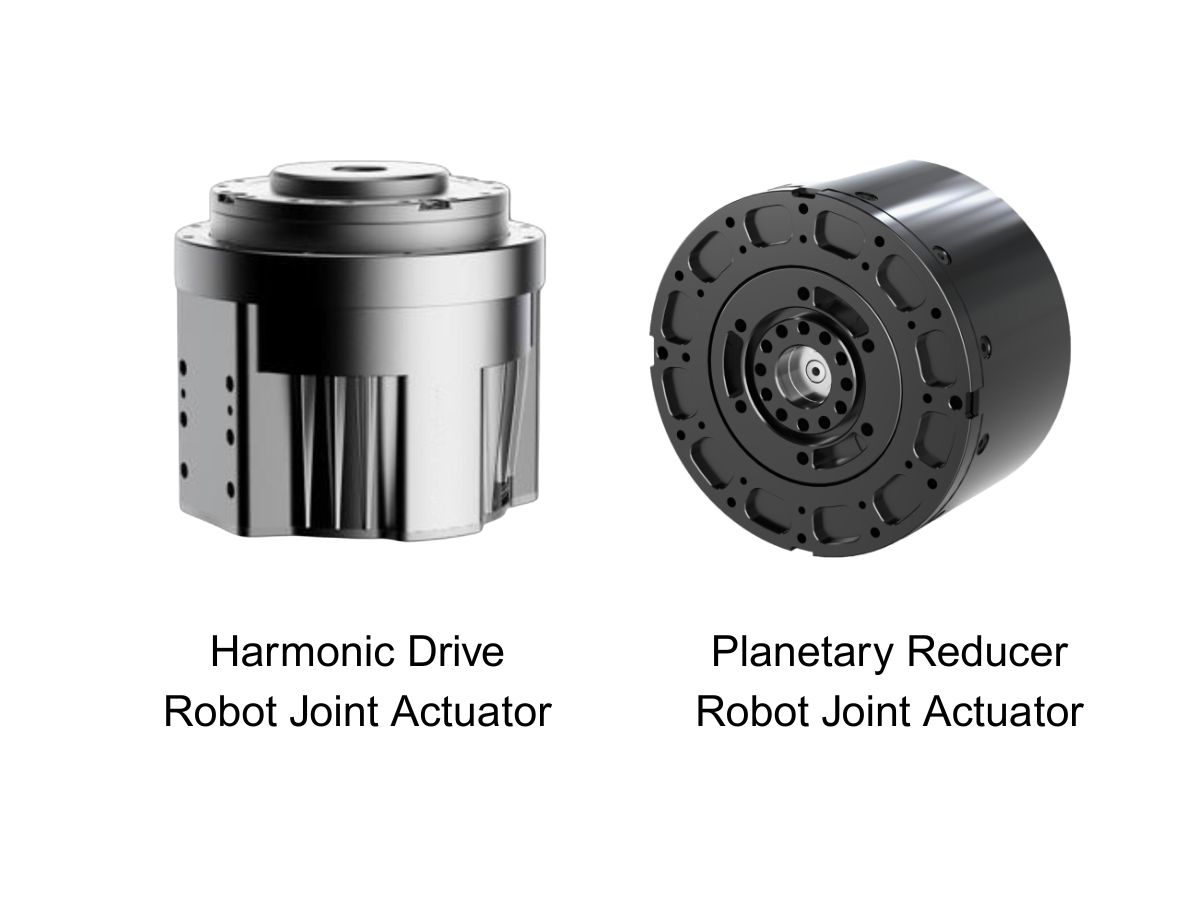
 What is robot joint actuator?How to Choose the Best Robot Rotary Joint Actuator?In core robot joint transmission solutions, planetary and harmonic rotary actuators each have their own strengths. Choosing the right type based on application requirements is essential to achieve the optimal balance between performance and cost.
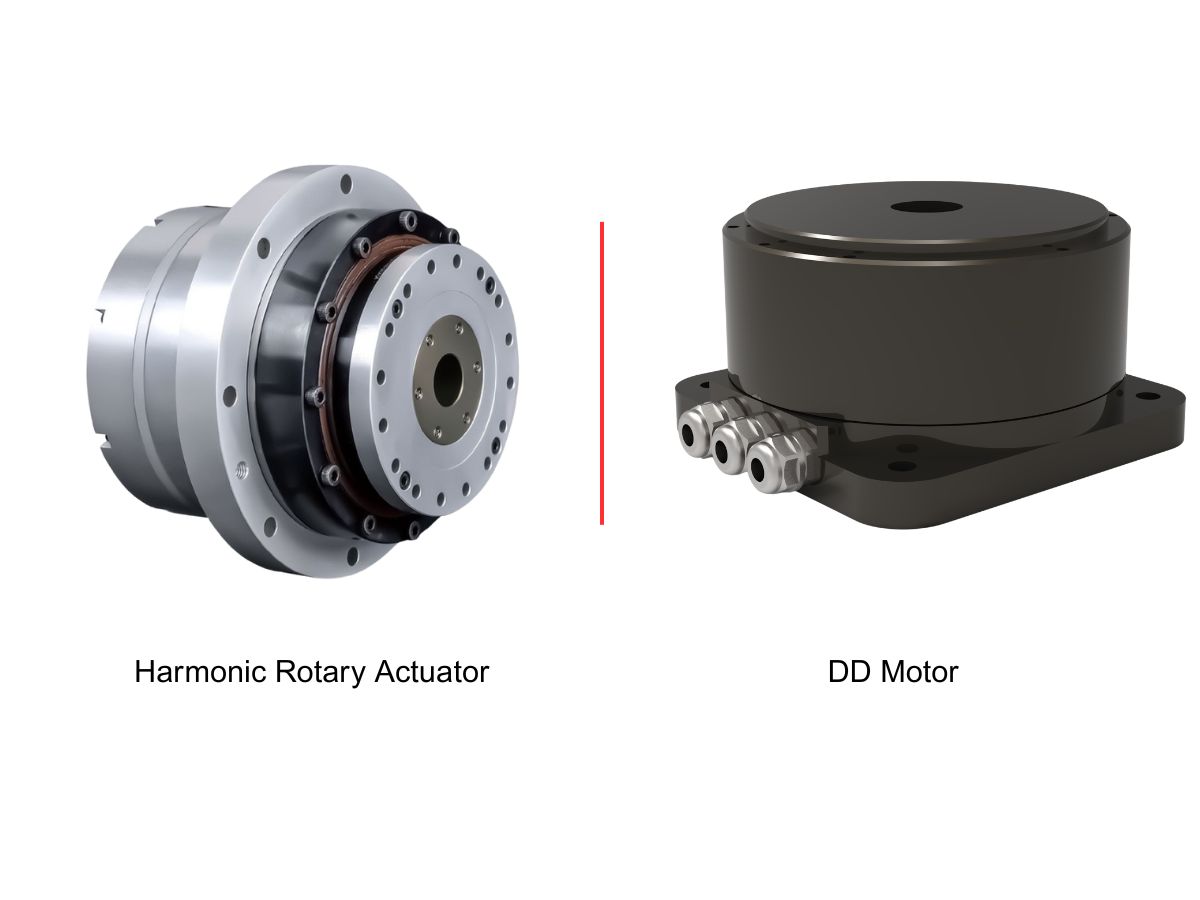
 DD Motors VS Harmonic Rotary ActuatorsThis article provides an in-depth comparison between Direct Drive (DD) motors and harmonic rotary actuators, covering their transmission principles, advantages and disadvantages, and typical application fields.
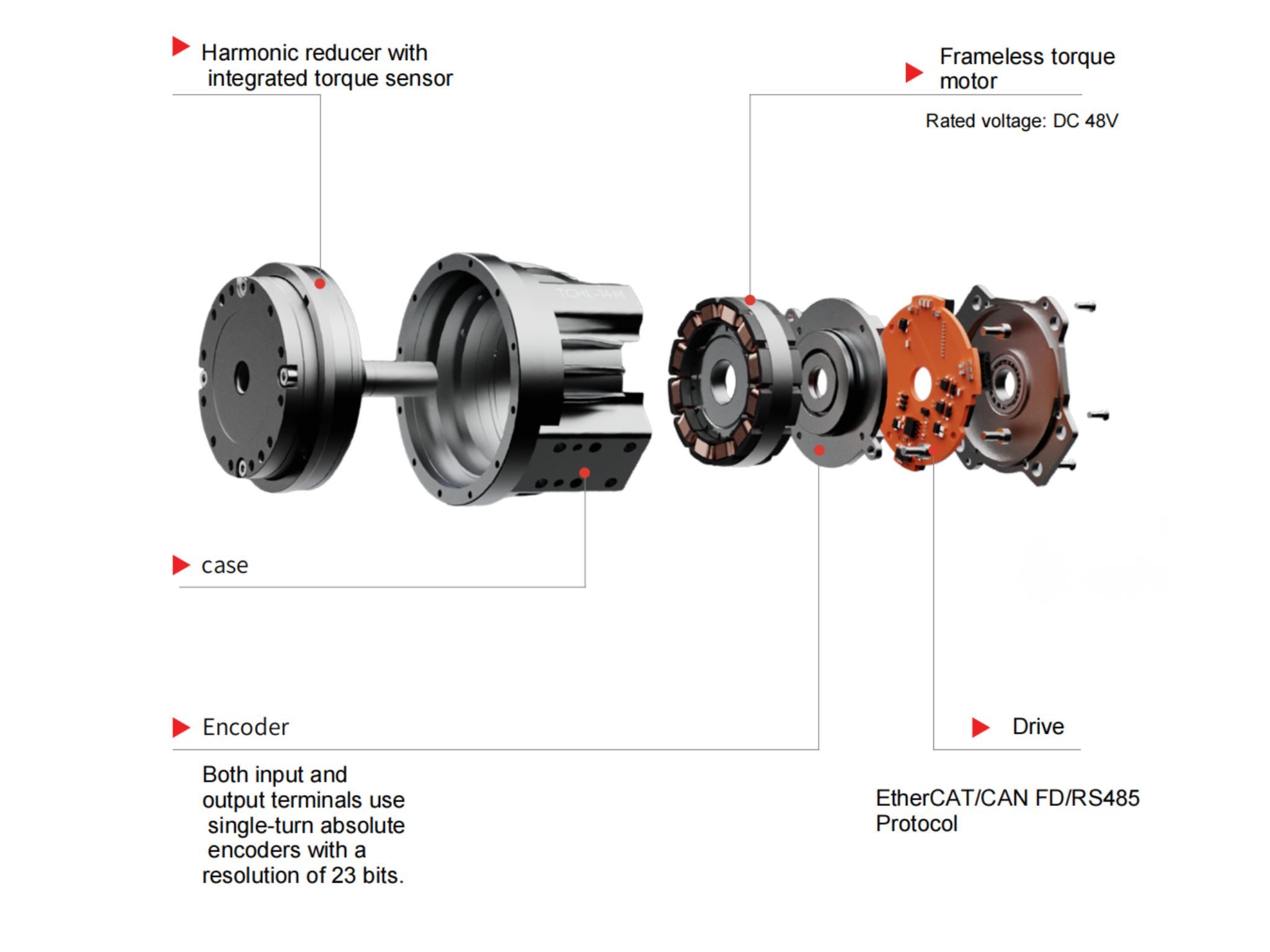
 OMG Ultra Compact Harmonic Drive Joint Module with Built-in Torque SensorHONPINE TCHL series harmonic drive joint module is a game-changing product that achieves disruptive improvements in multiple aspects such as lightweight design, integration level, and connection convenience. This article will analyze its revolutionary enhancements with you.
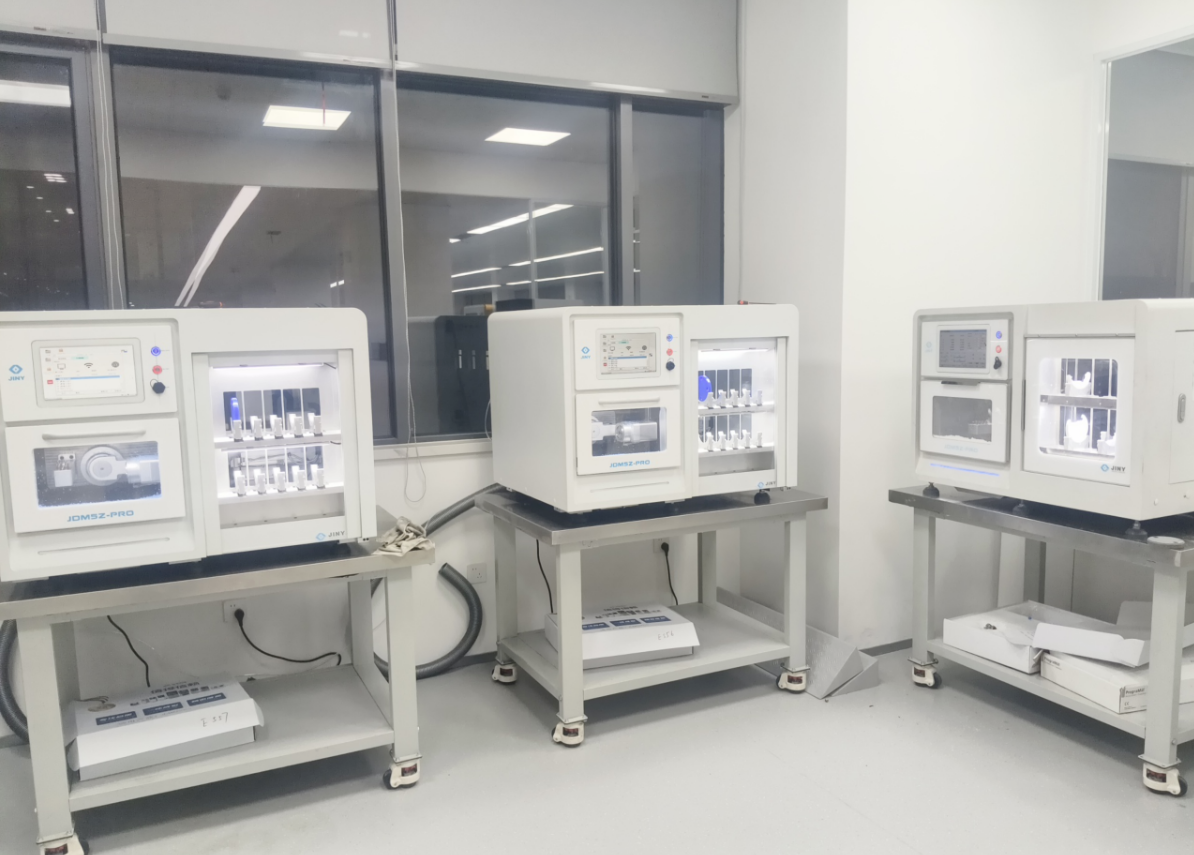
 The Role of Harmonic Drive Gears in Achieving 5–10 μm Accuracy in Dental Milling MachinesA dental milling machine is a CNC machining system used to directly process digital dental models into restorations such as crowns, bridges, veneers, inlays, and implant abutments. Dental milling machines require far higher operational accuracy and motion stability than ordinary equipment. This article explains how harmonic drive gear help dental milling machines achieve stable, continuous, and controllable operation.
 Why Are Harmonic Rotary Actuators Perfect for Medical Equipment?Harmonic rotary actuators (typically integrated systems consisting of a harmonic drive reducer, frameless torque motor, encoder, and optional brake) are regarded as key components in medical equipment. The core reason is that they simultaneously meet the most stringent medical requirements for precision, compact size, safety, and controllability. The following explanation is structured from three perspectives: technical characteristics, application scenarios, and medical value.
 High-Precision RV Reducers Perfectly Matched for Walking RobotsThe walking axis of a robot is a core component for power transmission and support. RV reducers provide extremely high rigidity, precision, and torque while maintaining a compact size and exceptional reliability, making them an ideal match for the demanding requirements of walking robot joints in terms of load capacity, impact resistance, and precision.
 Why Are More Robots Moving Away from Traditional Drive Systems to Integrated Hub Servo Motors?As mobile robots evolve toward autonomous navigation, flexible operation, and increasingly complex working environments, traditional distributed drive systems are facing new challenges. Separate motors, gearboxes, couplings, and transmission components can increase chassis complexity and limit available installation space. This is why more robot manufacturers are turning to integrated hub servo motors. By combining key drive components within a compact wheel-end unit, hub motors offer new possibilities for improving drive integration, motion control, and chassis design. In this article, we explore the key performance requirements of mobile robots, explain the advantages of integrated hub motors, and examine how HONPINE's Drive Wheels, Steering Drive Wheels, and Differential Drive Wheels support different AGV and AMR applications.
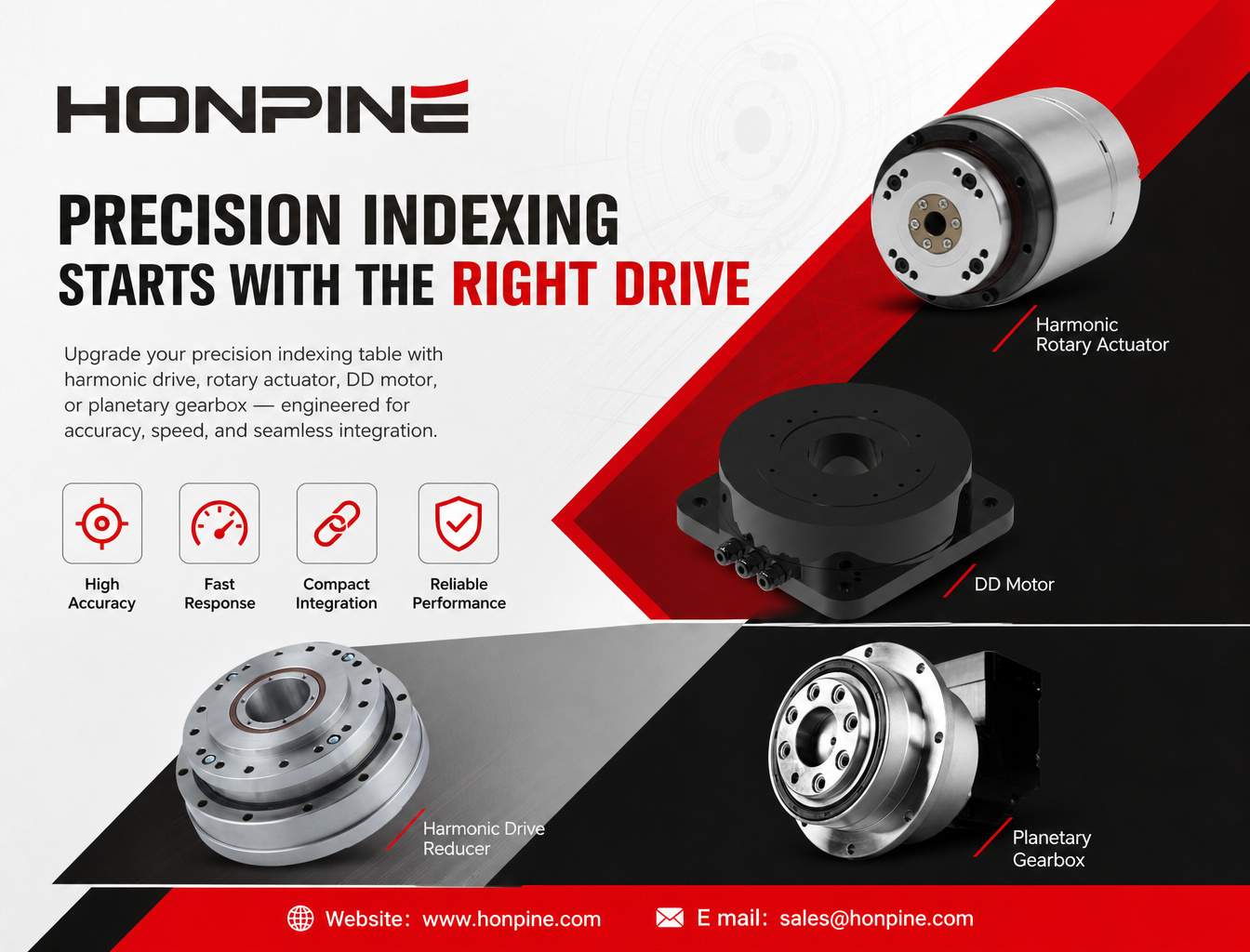
 How Can Precision Reducers, Harmonic Rotary Actuators, and Direct-Drive Motors Upgrade Precision Indexing Tables?How can manufacturers improve the accuracy, dynamic response, and integration of precision indexing tables? As flexible manufacturing continues to evolve, traditional transmission systems may face challenges such as backlash, long settling times, and complex mechanical integration. This article explores how harmonic drive reducers, harmonic rotary actuators, direct-drive (DD) torque motors, and planetary gearboxes provide practical upgrade solutions for different operating conditions. By matching the transmission architecture to positioning accuracy, indexing cycle time, load inertia, and installation constraints, manufacturers can develop more efficient and reliable precision indexing systems.
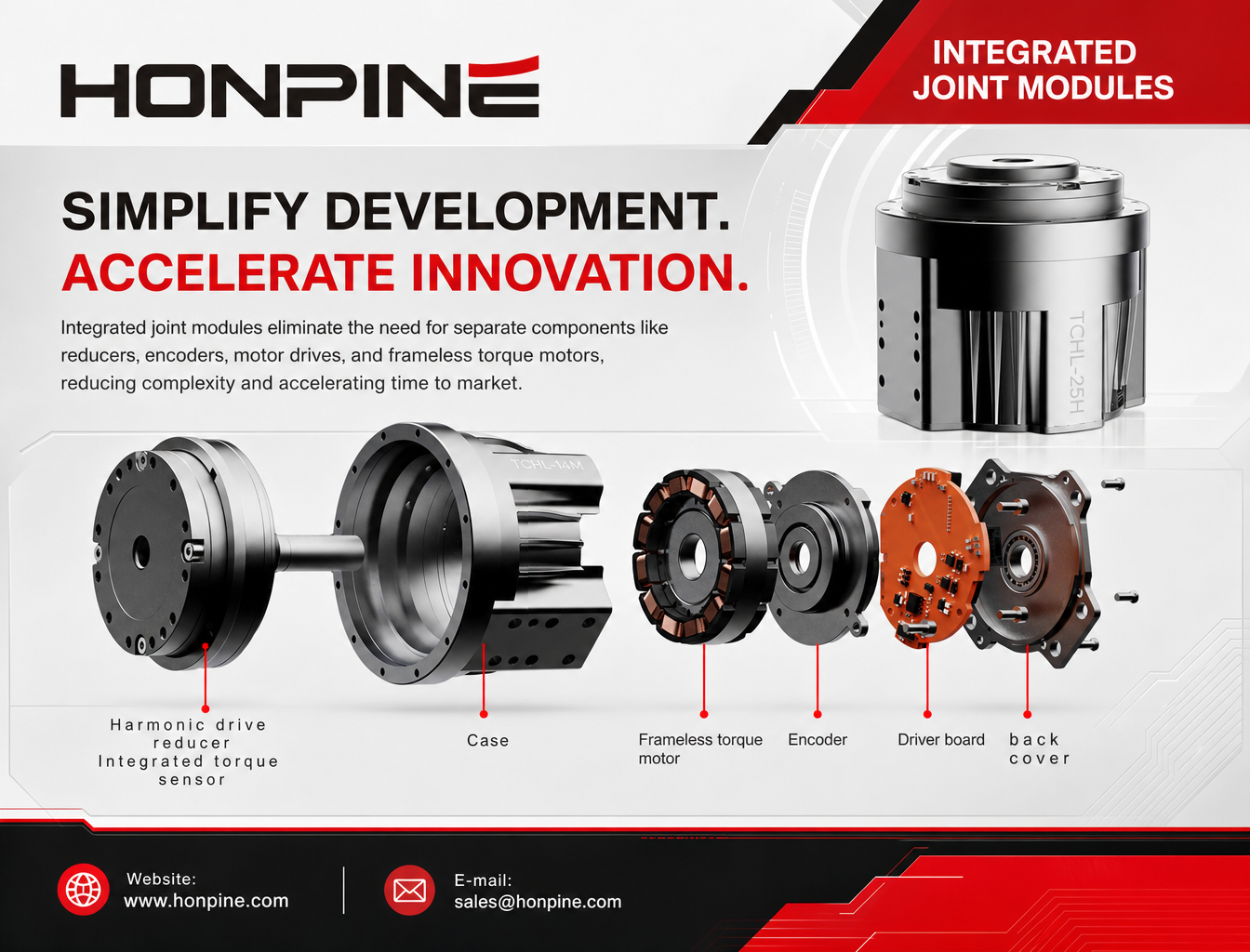
 Should Robot Manufacturers Develop Their Own Joint Modules or Buy Integrated Joint Modules?Should robot manufacturers develop joint modules in-house or purchase integrated joint modules? This article compares the advantages and disadvantages of both approaches, including development costs, technical ownership, supply chain stability, production efficiency, and long-term scalability. Learn why a hybrid sourcing strategy that combines in-house development with external procurement is becoming a practical option for humanoid robots, robotic arms, and embodied AI systems.
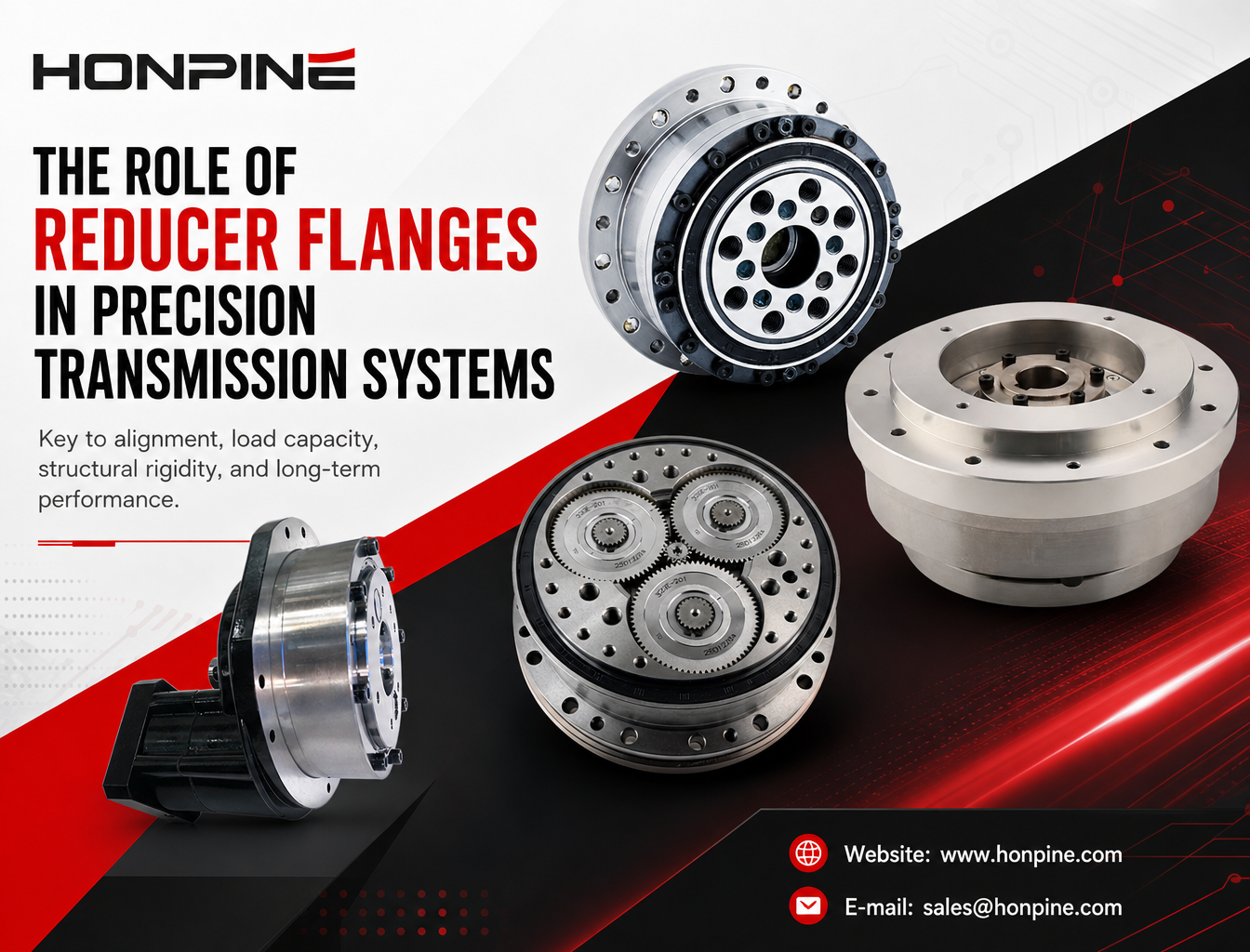
 Why Are Flanges on Harmonic and RV Reducers More Than Just Mechanical Mounting Components?A flange on a harmonic reducer or RV reducer is more than a mounting interface. It plays a critical role in alignment accuracy, load transmission, structural stiffness, and sealing performance. Even minor errors in flange design or installation can affect gear meshing, bearing life, and the overall reliability of a precision motion system. In this article, Theodore Li, Technical Director at HONPINE, explains the key engineering functions of reducer flanges and why they deserve careful consideration when designing and installing precision transmission systems.
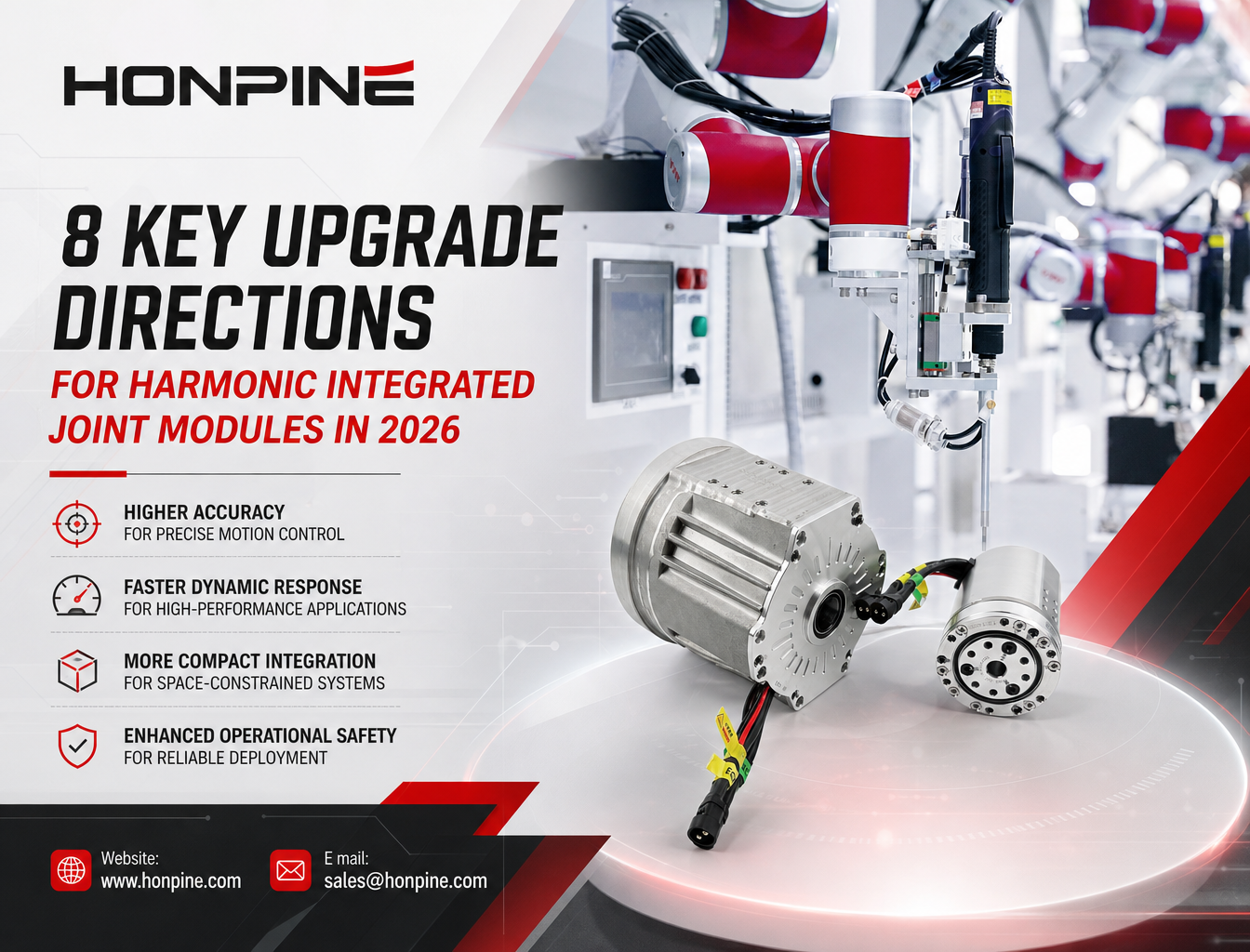
 How Should Manufacturers Upgrade Harmonic Joint Modules for Robotic Arms and Embodied AI in 2026?For engineers planning a robotic system upgrade, the right joint module depends on more than a single specification. EtherCAT synchronization, output-side position feedback, real-time torque measurement, continuous torque capability, and integrated safety functions must work together to meet the demands of the application. By evaluating these factors as a complete electromechanical system, manufacturers can make more informed decisions about joint module selection, integration, and long-term performance.
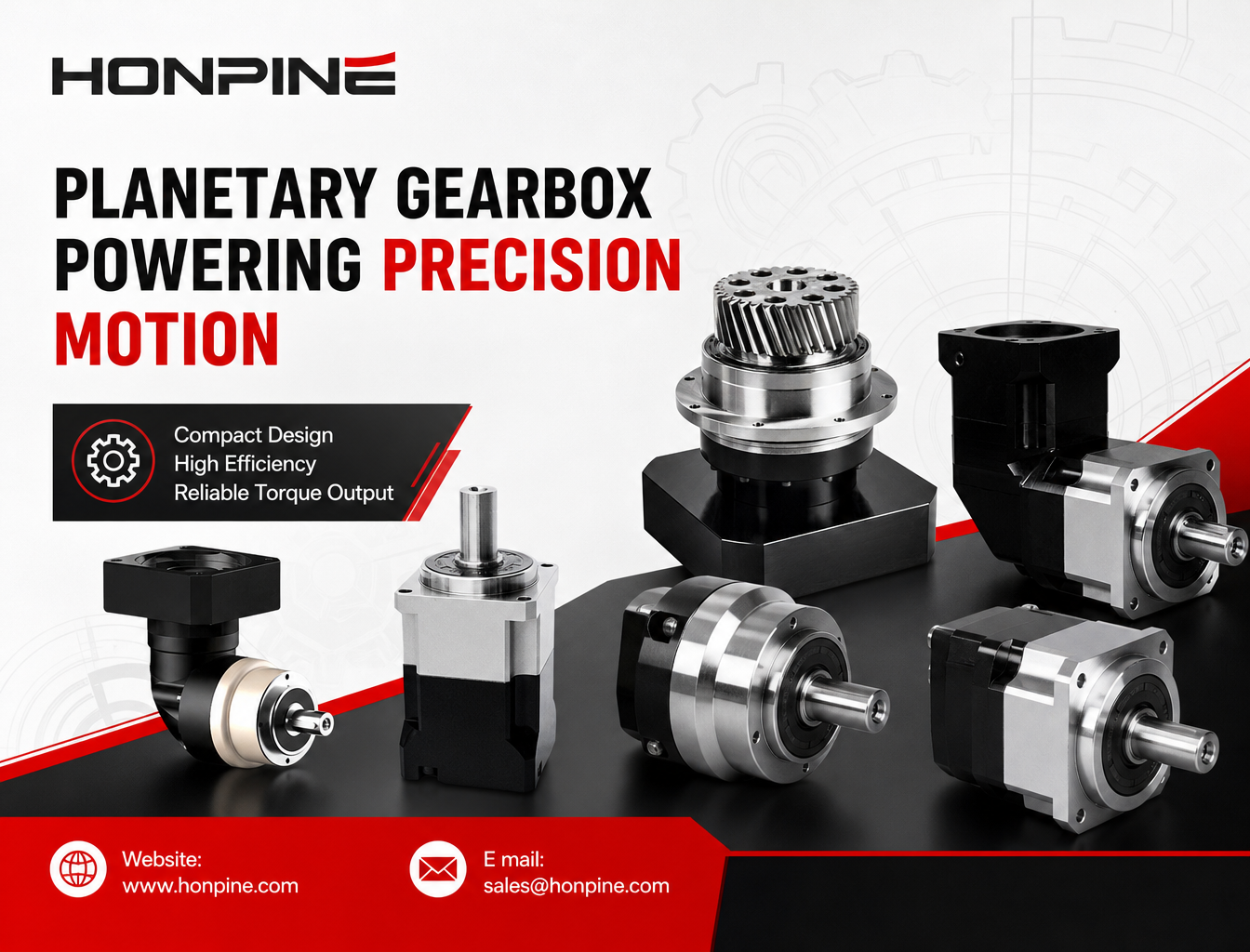
 How Do Planetary Gearboxes Reduce Speed and Increase Torque in High-Precision Automation Equipment?How does a planetary gearbox reduce speed while increasing torque in high-precision automation equipment? By combining a sun gear, multiple planet gears, and an internal ring gear, a planetary gearbox delivers compact, efficient power transmission for applications that require controlled motion and reliable torque output. From industrial robots and CNC machinery to automated assembly systems, selecting the right gearbox involves more than choosing a reduction ratio. This guide explains how planetary gearboxes work, their key advantages, common applications, and practical selection considerations to help engineers identify a suitable transmission solution.

Double Click
We provide harmonic drive reducer,planetary reducer,robot joint motor,robot rotary actuators,RV gear reducer,robot end effector,dexterous robot hand
 What is robot joint actuator?How to Choose the Best Robot Rotary Joint Actuator?In core robot joint transmission solutions, planetary and harmonic rotary actuators each have their own strengths. Choosing the right type based on application requirements is essential to achieve the optimal balance between performance and cost.
 DD Motors VS Harmonic Rotary ActuatorsThis article provides an in-depth comparison between Direct Drive (DD) motors and harmonic rotary actuators, covering their transmission principles, advantages and disadvantages, and typical application fields.
 OMG Ultra Compact Harmonic Drive Joint Module with Built-in Torque SensorHONPINE TCHL series harmonic drive joint module is a game-changing product that achieves disruptive improvements in multiple aspects such as lightweight design, integration level, and connection convenience. This article will analyze its revolutionary enhancements with you.
 Why Are More Robots Moving Away from Traditional Drive Systems to Integrated Hub Servo Motors?As mobile robots evolve toward autonomous navigation, flexible operation, and increasingly complex working environments, traditional distributed drive systems are facing new challenges. Separate motors, gearboxes, couplings, and transmission components can increase chassis complexity and limit available installation space. This is why more robot manufacturers are turning to integrated hub servo motors. By combining key drive components within a compact wheel-end unit, hub motors offer new possibilities for improving drive integration, motion control, and chassis design. In this article, we explore the key performance requirements of mobile robots, explain the advantages of integrated hub motors, and examine how HONPINE's Drive Wheels, Steering Drive Wheels, and Differential Drive Wheels support different AGV and AMR applications.
 Why Are Flanges on Harmonic and RV Reducers More Than Just Mechanical Mounting Components?A flange on a harmonic reducer or RV reducer is more than a mounting interface. It plays a critical role in alignment accuracy, load transmission, structural stiffness, and sealing performance. Even minor errors in flange design or installation can affect gear meshing, bearing life, and the overall reliability of a precision motion system. In this article, Theodore Li, Technical Director at HONPINE, explains the key engineering functions of reducer flanges and why they deserve careful consideration when designing and installing precision transmission systems.
 How Should Manufacturers Upgrade Harmonic Joint Modules for Robotic Arms and Embodied AI in 2026?For engineers planning a robotic system upgrade, the right joint module depends on more than a single specification. EtherCAT synchronization, output-side position feedback, real-time torque measurement, continuous torque capability, and integrated safety functions must work together to meet the demands of the application. By evaluating these factors as a complete electromechanical system, manufacturers can make more informed decisions about joint module selection, integration, and long-term performance.
 How Do Planetary Gearboxes Reduce Speed and Increase Torque in High-Precision Automation Equipment?How does a planetary gearbox reduce speed while increasing torque in high-precision automation equipment? By combining a sun gear, multiple planet gears, and an internal ring gear, a planetary gearbox delivers compact, efficient power transmission for applications that require controlled motion and reliable torque output. From industrial robots and CNC machinery to automated assembly systems, selecting the right gearbox involves more than choosing a reduction ratio. This guide explains how planetary gearboxes work, their key advantages, common applications, and practical selection considerations to help engineers identify a suitable transmission solution.
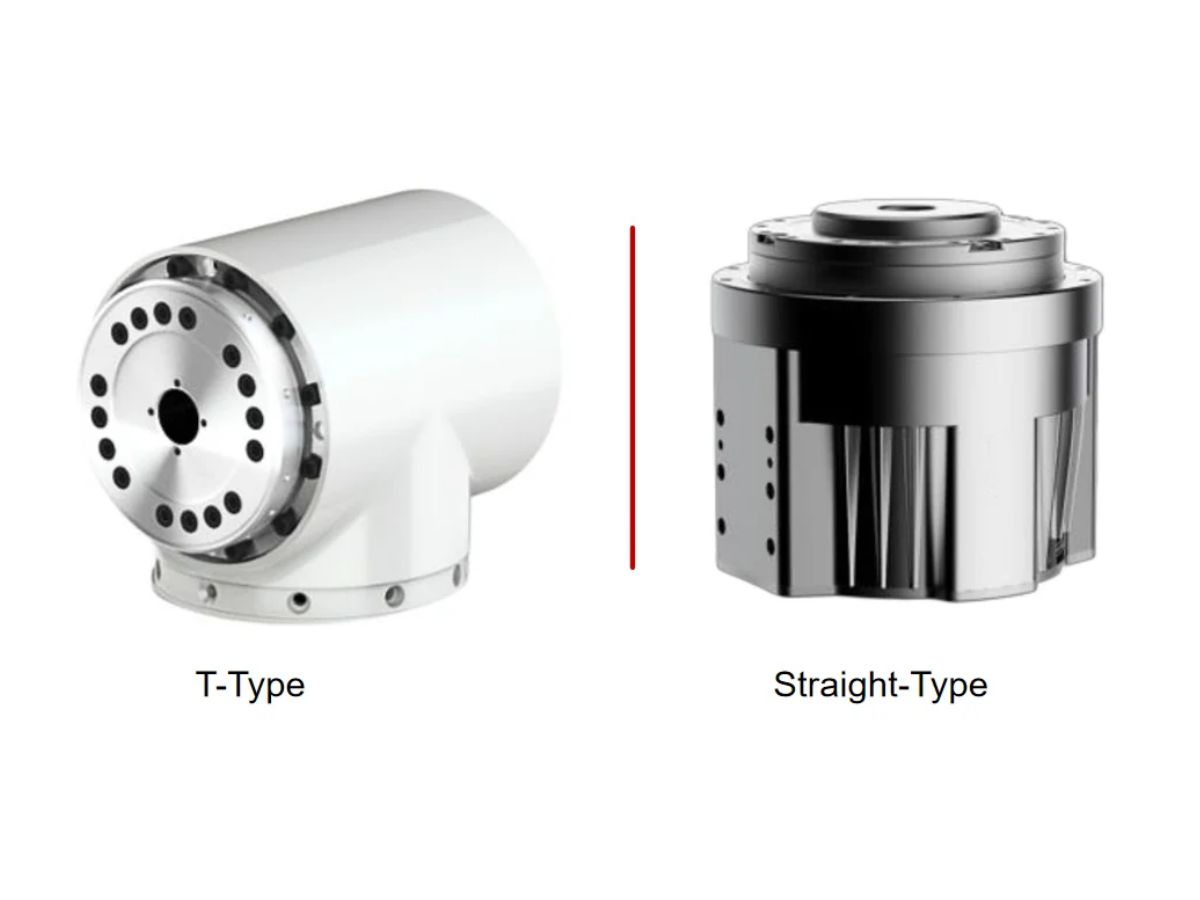
 Should You Choose a T-Type or Straight-Type Harmonic Joint Module for a Collaborative Robot?Choosing the right harmonic joint module is essential when designing a compact, high-performance collaborative robot. Should you use a TCHL straight-type or an HTS T-type harmonic joint module? Although both configurations can support precise robotic motion, their different output flange geometries affect installation space, link connections, cable routing, and mechanical integration. In this guide, Theodore Li, Technical Director at HONPINE, explains the key differences between the two designs, their advantages and limitations, and how to select the most suitable configuration for your collaborative robotic arm.
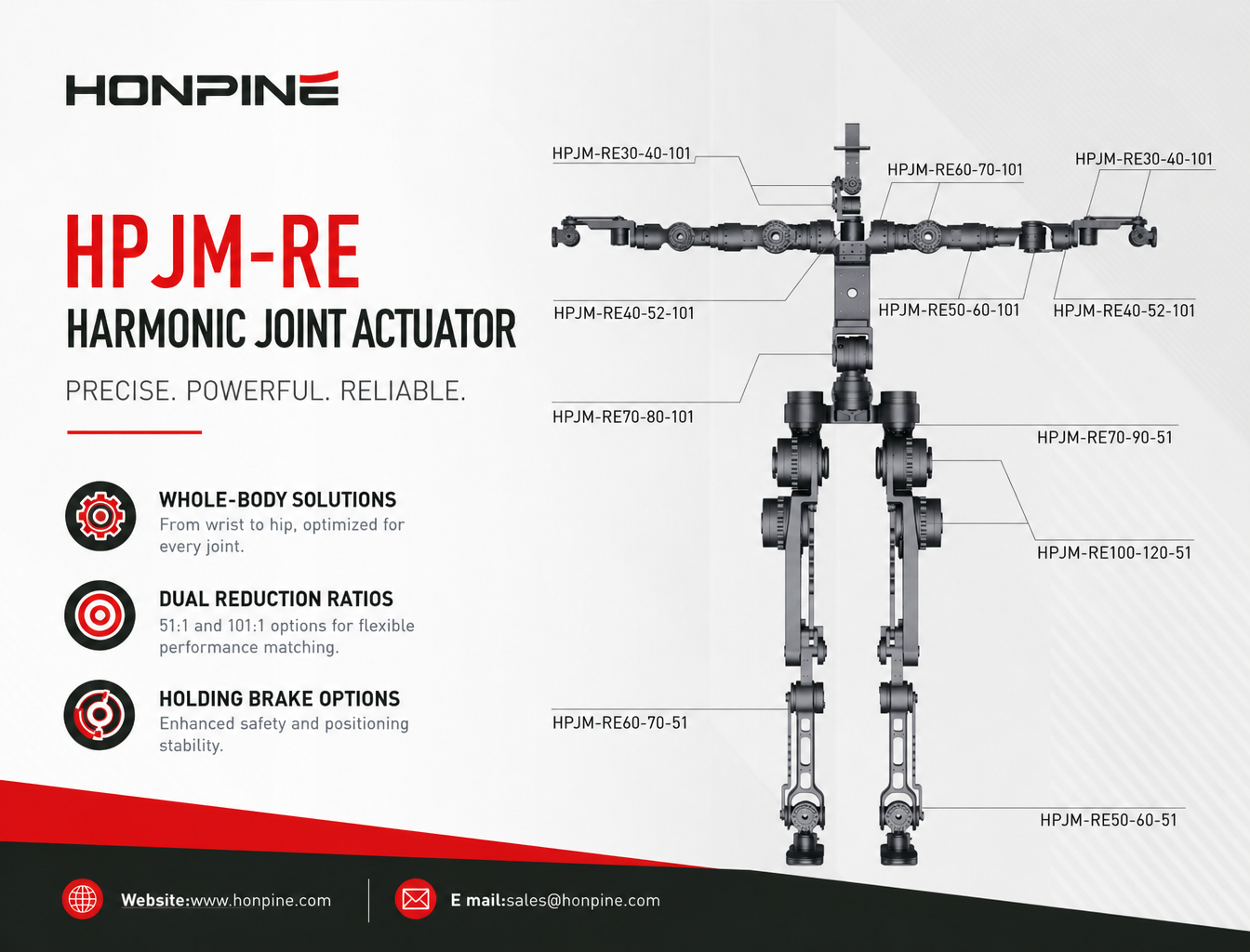
 The Complete Harmonic Joint Actuator Solution for Humanoid Robots: HPJM Series Selection GuideA complete guide to selecting harmonic joint actuators for humanoid robots. Explore HONPINE HPJM models for wrist, elbow, shoulder, waist, hip, knee, and ankle joints, with practical considerations for torque capacity, reduction ratios, dynamic response, and holding brake configurations.
 Why Are Harmonic Drive Actuators Ideal for Space-Constrained Industrial Automation Equipment?In modern industrial automation, limited installation space often makes mechanical design more challenging. Harmonic drive actuators offer a compact motion-control solution by integrating key drive components into a single unit. Their high reduction ratios, streamlined mechanical structures, and flexible mounting options can help equipment manufacturers reduce space requirements, simplify assembly, and optimize internal layouts. This article explores four ways integrated harmonic drive actuators support space-saving designs in industrial automation equipment.
 Single-Turn vs. Multi-Turn Absolute Encoders for Robot Joint Modules: How to Choose?This guide compares single-turn and multi-turn absolute encoders for robot joint modules, explaining how they differ in position feedback, power-off position retention, and maintenance requirements. Learn how to select the right encoder configuration for humanoid robots, collaborative robotic arms, and exoskeletons using the HONPINE HPJM Harmonic Joint Actuator PRO Series as an example.
 STO vs. Holding Brake in Robot Joint Modules: What Is the Difference for Robot Safe Control?STO (Safe Torque Off) and holding brakes play different roles in robot joint safety. While STO prevents a motor from generating driving torque, a holding brake mechanically resists joint movement and helps retain loads when the motor is disabled. Understanding the difference is essential when selecting a robot joint module for humanoid robots, collaborative robots, and industrial automation. In this article, Theodore Li, Technical Director at HONPINE, explains how these functions work, their limitations, and when both should be considered in a harmonic integrated joint actuator such as the HONPINE HAG series.